

What is the opening and closing torque of a Ball Valve Brass?
Dec 10, 2025
Hey there! As a supplier of Ball Valve Brass, I often get asked about the opening and closing torque of these valves. So, I thought I'd take a moment to break it down for you in a way that's easy to understand.
First off, let's talk about what torque is. In simple terms, torque is the force that causes an object to rotate. When it comes to ball valves, the opening and closing torque refers to the amount of force needed to turn the valve handle and open or close the valve.
Now, the opening and closing torque of a Ball Valve Brass can vary depending on a few different factors. One of the biggest factors is the size of the valve. Generally speaking, larger valves will require more torque to open and close than smaller valves. This is because there's more surface area for the fluid to push against, which means more force is needed to overcome that resistance.
Another factor that can affect the torque is the type of fluid that's flowing through the valve. Different fluids have different viscosities, which is a measure of how thick or thin they are. Thicker fluids, like oil or syrup, will require more torque to move through the valve than thinner fluids, like water.
The design of the valve itself can also play a role in the opening and closing torque. For example, some ball valves have a floating ball design, while others have a trunnion-mounted ball design. Floating ball valves are typically easier to open and close because the ball is free to move within the valve body. Trunnion-mounted ball valves, on the other hand, are more suitable for high-pressure applications but may require more torque to operate.
So, why is it important to know the opening and closing torque of a Ball Valve Brass? Well, for one thing, it can help you choose the right valve for your application. If you're working with a high-pressure system or a thick fluid, you'll need a valve that can handle the extra torque. On the other hand, if you're working with a low-pressure system or a thin fluid, you may be able to get away with a valve that requires less torque.
Knowing the torque requirements can also help you ensure that your valve is installed and operated correctly. If you use too much force to open or close the valve, you could damage the valve or cause it to leak. On the other hand, if you don't use enough force, the valve may not open or close properly, which could lead to problems with your system.
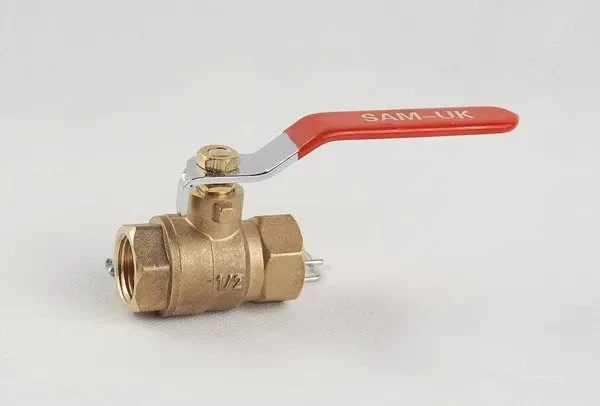
As a supplier of Ball Valve Brass, I offer a wide range of valves with different opening and closing torque requirements. Whether you're looking for a Brass Water Ball Valve for a residential plumbing system or a Welding Ball Valve for an industrial application, I've got you covered.
My Brass Ball Water Valve are made from high-quality materials and are designed to provide reliable performance for years to come. They're available in a variety of sizes and configurations to meet your specific needs.
If you're not sure which valve is right for your application, don't worry. I've got a team of experts who can help you choose the right valve based on your requirements. We can also provide you with installation and maintenance instructions to ensure that your valve operates smoothly and efficiently.
In addition to offering high-quality valves, I also provide excellent customer service. I understand that your time is valuable, so I strive to respond to your inquiries as quickly as possible. Whether you have a question about a specific valve or need help with an order, I'm here to help.
So, if you're in the market for a Ball Valve Brass, look no further. Contact me today to learn more about my products and services. I'd be happy to help you find the right valve for your application and get you started on the path to a reliable and efficient system.

References
- "Valve Handbook: Principles and Applications" by J. Paul Tullis
- "Piping and Pipeline Engineering: Design, Construction, Maintenance, Integrity, and Repair" by George A. Antaki