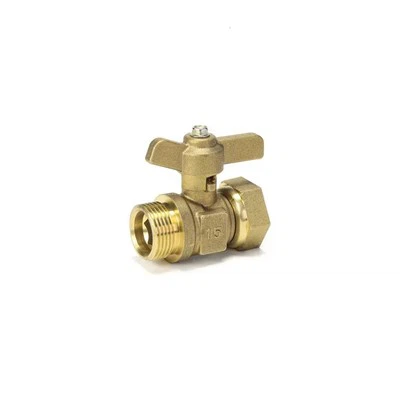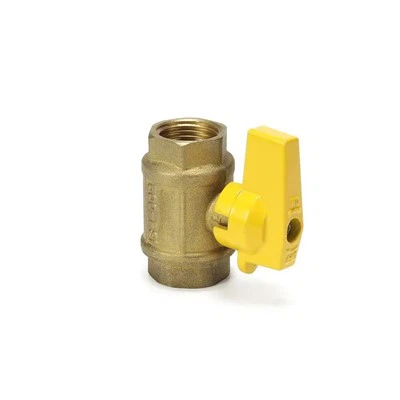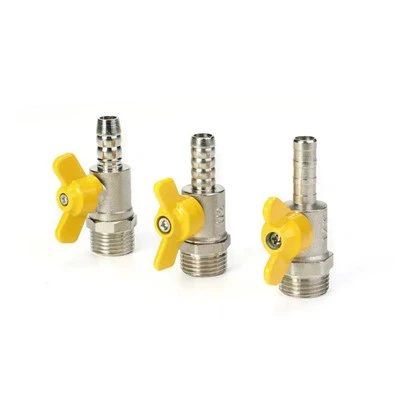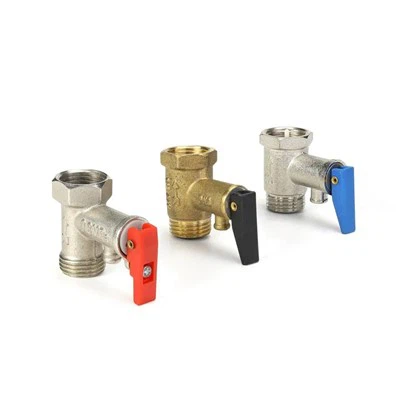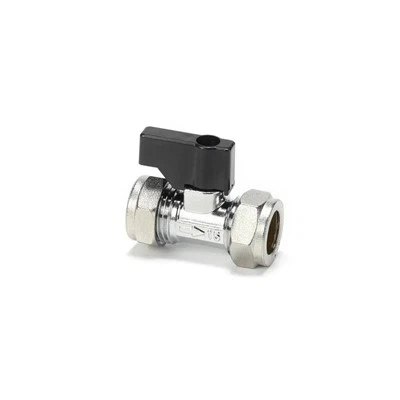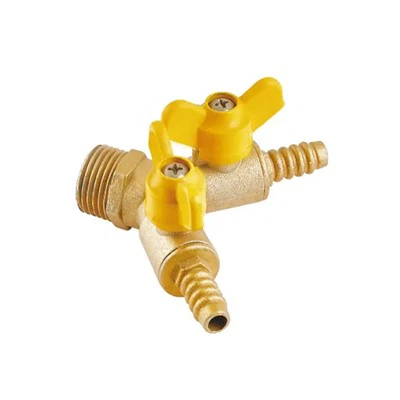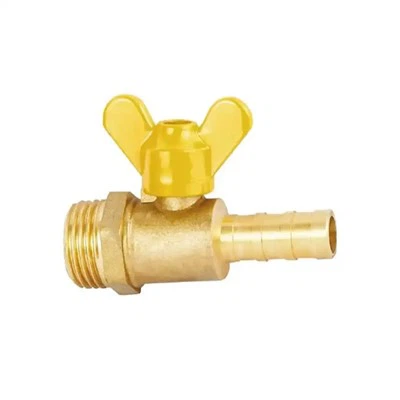
Gas Valve

Your Leading Gas Valve Supplier


Taizhou Qishang valve manufacturer was established in 2016. The company has a plant area of 5000 square meters and mainly provides OEM die-casting and forging parts for overseas customers, including bibcocks, angle valves, ball valves, stop valves, globe valves, check valves, float valves, bathroom accessories, and faucets, etc.

Why Choose Us?

Advanced Equipment

We have introduced a complete set of production equipment and technology for molding, casting, forging, deburring, machining, polishing, electroplating, painting, assembling, and inspection. This range includes material analysis tests, salt spray tests, and pressure-bearing tests.

Broad Market

Our products are exported to European countries, American countries, Asian countries, African countries, and Middle Eastern countries because our products have high quality and their low price. They are favored by customers, earning customers' praise, and being procured in the long term.

Wide Range of Applications

Our products are suitable for water, natural gas, machinery, metallurgy, petrochemical, chemical, urban construction, and other related industries, and are suitable for a variety of places and uses.


Leading Service

We independently complete R&D, production, marketing, sales, and technical support processes. A variety of designs meet different customer needs; you just need to send your requirements via email and we will customize the product for you.

First 1234 Last 1/4

Definition of Gas Valve


Gas valves are flow control devices used to handle and control the flow of gases such as liquefied petroleum, oxygen, and sour and natural gas. They are available in a variety of metal or plastic materials that are compatible with the media controlled and pressure requirements. Gas valves are available in most of the basic valve technologies such as ball, butterfly, plug, needle, and various check valve designs. They are used in many industrial, commercial and residential applications for on/off, modulating, and control applications.

What are Advantages of Gas Valve?
Gas Valve

Safety

Gas control valves are equipped with safety mechanisms that shut off the gas supply in case of emergencies like flame failure or excessive temperature. This feature prevents accidents and gas leaks, ensuring the safety of both users and their surroundings.
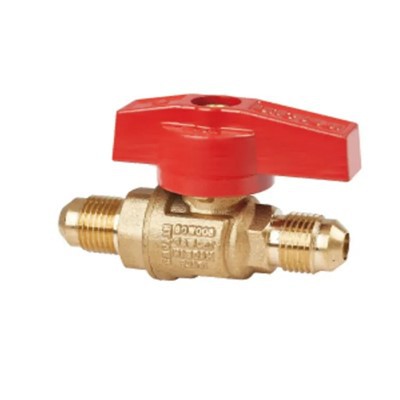
Gas Stove Valve

Precision Control

Gas control valves maintain precise control over gas flow, allowing users to adjust flame intensity, temperature, and other crucial parameters. This level of control ensures optimal performance and energy efficiency.
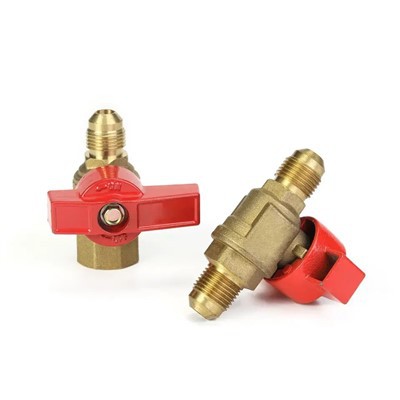
Brass Cross Shut Off Gas Valve

Durability

These valves are built to withstand high-pressure and high-temperature environments, ensuring long-term reliability and performance even in demanding conditions.

Shut Off Gas Valves

Versatility

Gas control valves are adaptable to different types of appliances, making them suitable for a wide range of applications across residential, commercial, and industrial settings.

What are Features of Gas Valve?


Fire-Safe Design
Gas ball valves often have a fire-safe design to enhance safety in case of fire or extreme temperature exposure. This design includes features such as metal-to-metal seals and fire-resistant materials like graphite to prevent leakage and maintain sealing integrity even during high-temperature applications. Metal-metal seals typically involve contact between metal surfaces, such as the ball and the valve body or the stem and the valve body. The metal-metal contact creates a robust seal that can withstand high pressure and temperature conditions, minimizing the risk of leakage.


Extended Bonnet
The extended bonnet provides additional insulation and protection for the stem and packing, allowing the valve to operate reliably in extreme temperatures.


Anti-Static Design
Gas ball valves often incorporate anti-static features to prevent the build-up of static electricity, which can be hazardous in gas applications. Examples are grounding springs or conductive materials, which dissipate any static charge that may accumulate during valve operation.


Stem and Seat Sealing
Gas ball valves often have enhanced stem and seat sealing mechanisms to ensure tight shut-off and minimize gas leakage. This includes spring-loaded seats, live-loading of packing, or other sealing technologies to maintain integrity and reduce the risk of gas leakage.

 
Types of Gas Valve
Gate Valves

The gate valve may be the most commonly used in the industry. It uses a gate system to open or close a pipeline entirely. This is an excellent choice if the flow rate needs to be controlled and maintained. When the actuator completely opens the valve, the channel is unobstructed, allowing even slurry fluids like crude oil to flow easier. While it is not an ideal candidate if throttling is required in an application, there is not a noticeable pressure drop when this valve is used.

Globe Valves

When pressure control is necessary, the globe valve is frequently chosen. It is also often used for open and close operations. The valve plug sits vertically raised and lowered by the actuator as needed. They tend to create a more significant pressure drop than other valve types because of the S-shaped passageway within them. They are a good choice for flow regulation and throttling functions.

Check Valves

Gas refineries find check valves extremely helpful as the device opens under pressure and does not allow backflow of fluid or material. Because of the restricted backflow, cross-contamination of the product is prevented. That is, different materials can use the same pipeline. There is no need for an actuator as required in other valve types. However, it does need precise installation to ensure the response to fluid pressure occurs as required.

Plug Valves

The plug valve comprises a plug-shaped disc with a horizontal passageway bored through it. When the linear valve is open, fluid will move through the hole. Turning the actuator 90 degrees from the open position blocks any flow through the pipeline. This valve is not suggested for throttling functions but is ideal for unrefined oil products as found in biogas production.

Ball Valves

Ball valves are rotary valves that give pipelines fast shut-offs where tight sealing is often required. They are best suited for operation under fully open or fully closed positions as they do not offer reasonable regulation control or throttle functions. This type of valve comes in many different styles, which provides options within the industry. For example, a floating ball valve works better in low-to-medium pressure pipelines, and trunnion ball valves can handle high-pressure conditions. These are easy to repair, offer solid sealing, and provide quick shut-offs.

Butterfly Valves

These valves are simple in their construction, are lightweight, and compact. They use a disc-type element held by a rod to regulate flow. They can handle high-pressure pipelines and allow easy flow of materials. When they are closed, they shut tightly. Often, these are used in pipes with large diameters and where a gate valve is not applicable.

Slam-shut Valves

These valves provide additional safety of equipment either upstream or downstream from them. This type of valve may be found immediately before a regulator and is designed to remain open until a significant pressure change is detected. It then immediately shuts off the flow and must be reopened manually. They are sometimes referred to as relief and safety valves and are vital to the oil and gas industry in avoiding accidents and injury.

 
Uses of Gas Valve
 
01/

Flow Regulation
Valves are used to control the rate of flow of liquids or gases through pipes and pipelines. By adjusting the valve's position, the flow can be increased, decreased, or completely shut off.

02/

Isolation
Valves can be used to isolate or block the flow of fluid in a system. This is useful for maintenance, repairs, or when it's necessary to stop the flow in a specific section of a pipeline.

03/

Pressure Regulation
Valves help control and maintain pressure within a system. They can be adjusted to regulate the pressure of the fluid passing through the pipeline.

04/

Directional Control
In some systems, valves are used to control the direction of flow. These directional control valves are essential in hydraulic and pneumatic systems.

05/

Temperature Control
Valves are employed in systems where temperature regulation is critical. By adjusting the flow, valves contribute to controlling the temperature of the fluid.

06/

Safety
Valves play a crucial role in safety systems. They can be designed to automatically shut off in case of overpressure, overheating, or other emergency situations to prevent accidents.

07/

Mixing and Blending
Valves are used in processes where different fluids need to be mixed or blended in specific proportions.

08/

Automatic Control Systems
Valves are often integrated into automated control systems where they respond to sensors and signals to regulate the flow of fluids based on preset conditions.


Applications of Gas Valve

Homes and Businesses
Natural gas valves are used to control gas usage in homes and workplaces. They are employed to regulate or shut off the gas flow in gas-powered appliances such as stoves, boilers, heating systems, and water heaters. Main valves are typically installed at gas connection points for emergency purposes and maintenance.


Industrial Facilities
Natural gas is widely used in various industries such as energy production, chemical and plastic manufacturing, food production, and oil and gas processing. In these facilities, natural gas valves are utilized to control, direct, and ensure safety in the gas flow. Valves are found in critical points of natural gas systems and process equipment within the facilities.


Infrastructure Projects
Natural gas valves play a crucial role in city gas distribution pipelines and infrastructure projects. They regulate and control the gas flow in these systems. Additionally, safety valves are installed at gas connection points to rapidly stop the gas flow in emergency situations.

Ball Valve For Gas

How Do You Maintain Gas Valve?


Inspect Your Gas Valves Regularly
Check for signs of wear or damage, and ensure all valves are functioning properly.


Apply Lubricant
Valves may become stiff over time. Applying lubricant can help keep them in good working order. Consult your local codes and the manufacturer’s recommendations before using any lubricant.


Test Your Valves
Turn off the gas valve (make sure to extinguish pilot lights first), wait a minute, and then turn it back on. Listen for any hissing sounds that may indicate a gas leak. If you suspect a leak, call your gas company immediately.


Never Force a Valve
If a valve isn’t operating smoothly, don’t try to force it. Call a professional plumber to diagnose the issue.

 
Our Factory
Qishang has become a professional and modernized enterprise producing valves and fittings. We place priority on customers' needs and product quality and look forward to cooperating with customers all over the world on the basis of mutual benefit.
productcate-1-1
 
productcate-1-1
 
productcate-1-1
 
 
Our Certificate
We have Alibaba Quality factory certification, as an honest and trustworthy unit, and quality product certification.
productcate-1-1
productcate-1-1
productcate-1-1
productcate-1-1
 
Contact Us
write to us
Email: chinavalvefactory@aliyun.com
visiting us
Address: Factory No.8, Dashawan Small Micro Pioneer Park, Bingang Village, Samen Town, Taizhou City, Zhejiang Province, China
Fax
Fax: +86-576-80767122
Contact directly
Tel: +8615057611689
Frequently Asked Questions

Q: What are the structural materials of Gas Valve?

A: Gas valves are made from metallic elements such as:
Aluminum offers good electrical and thermal conductivity, high reflectivity, and resistance to oxidation.
Copper is ductile and malleable and one of the best conductors of heat and electricity. Both brass and bronze are copper alloys.
Brass provides good bearing properties and low magnetic permeability.
Sintered bronze can be impregnated with materials such as oil and graphite.
Steel is a commercial iron that differs from cast iron both in terms of its malleability and lower carbon content.
Ductile iron provides the machinability and corrosion resistance of cast iron while providing additional strength and toughness.
Stainless steel is chemical and corrosion resistant and can have relatively high pressure ratings.
 
Gas valves can also be constructed of a variety of plastics, including:
Acetal polymers are semi-crystalline and offer excellent inherent lubricity, fatigue resistance, and chemical resistance.
Polyvinyl chloride (PVC) is a widely used material with good flexibility, smooth surface, and nontoxic properties.
Chlorinated polyvinyl chloride (CPC), a higher grade plastic used in water distribution systems, is suitable for high temperatures.
Polytetrafluoroethylene (PTFE) is an insoluble compound that exhibits a high degree of chemical resistance and a low coefficient of friction.
Polypropylene (PP) is similar to PTFE, but can be used in exposed applications because of its resistance to ultraviolet (UV) light, weathering, and ozone.
Polyvinylidene fluoride (PVDF) is a fluoropolymer with better strength and lower creep than similar materials.

Q: What Dangers Could a Faulty or Broken Gas Valve Lead to?

A: Though a furnace gas valve is an essential component to heating your home, when issues arise they could lead to costly implications for your furnace, and even worse, pose dangers and risks to the health of you and your loved ones.
A faulty or broken gas valve could lead to:
Gas leaks
Carbon Monoxide poisoning
Insufficient heating
Short cycling
Safety shutoff
Pilot light problems
Spikes in your heating bill
Of course, regular maintenance and inspections are essential, but when issues arise, it’s important to address these dangers immediately by having a qualified HVAC technician inspect and resolve the issue. Safety should always be a top priority when dealing with gas-powered appliances.

Q: What are the common types of Gas Valve?

A: BALL VALVES
Ball valves have an internal ball-shaped component that is used to regulate the flow of gas through the system. On the basic version of the ball valve, a handle is turned through 90 degrees to open and close the valve. Other types of ball valves may include a gearing system to allow easier operation of larger valves.
This type of valve tends to be highly cost-effective, thanks to its simple construction and operation. However, the valve should not be set to a partly open position in a high-pressure gas system as the high-velocity movement of the gas can accelerate wear and tear on the ball component.
 
NEEDLE VALVES
A needle valve regulates the flow of gas through a narrow opening, which is controlled with a thin needle-shaped plunger that blocks or permits the gas’s movement. The valve is particularly useful for achieving a consistent gas flow rate, particularly over longer-term usage.
Valves of this type may not be so suitable for higher-pressure gas systems. This is due to the relatively small diameter of the needle that is used to control the flow, which may become damaged over time when the velocity of the gas increases.
 
METERING VALVES
There are other types of metering valves that provide suitable alternatives to needle valves. These may provide a number of advantages, including a reduction in long-term maintenance as they may be more resistant to dirt buildup than the needle version of the valve.
Some types of metering valves are designed for very high-precision control of gas flow. These high-precision calibrations are suitable for low levels of gas flow and low-pressure applications.
 
CHECK VALVES
It’s often critical to ensure that gas flows through a system in only a single direction. Any backward flow of gas is likely to cause inefficiency in the system at best, and it can be highly dangerous in the worst-case scenario. For this kind of usage, a check valve is suitable.
Check valves permit gases to flow in one direction and prevent gas from backing up in the system. It is recommended that these valves be used in conjunction with another kind of shutoff valve, as they are not suitable for deployment as a primary shutoff solution. The check valve is designed as a backup in the event that the primary shutoff valve fails.
 
RELIEF VALVES
Managing the pressure in a gas system is an important part of guaranteeing the ongoing safety of the system. If pressure becomes too great, components can become damaged, reducing the longevity of the system as well as putting you, your teams, and the general public at risk. A relief valve is used to release pressure from the system, making pressure management much easier to accomplish.
The relief valve is connected to an auxiliary part of the system that is used to channel gas away from the main pipework. As many of the gases used in industry are poisonous or flammable, it is not feasible to simply release these gases into the atmosphere. Make sure this auxiliary channel is properly connected before the relief valve is deployed to ensure safe release of pressure.
 
REGULATOR VALVES
A regulator valve contains a mechanism that automatically manages the flow of gas through the system. There are different types of mechanisms that may be fitted within a regulator valve, including spring-loaded, dead-weighted, and pressure-balanced components that react automatically to the gas as it moves through the system, altering its position to achieve a steady flow rate.
Regulator valves may also be fitted with internal relief valves, which provide additional automatic regulation. These internal relief valves, or IRVs, open automatically when pressure reaches a certain level, transferring gas to an auxiliary channel in order to keep the system’s internal pressure within safe parameters.
 
STOPCOCK VALVES
A stopcock valve is a solution with a long history, thanks to its relatively simple construction. This type of valve is fitted with a faucet component that can be turned to open or close the valve itself. There is no internal mechanism for automatic regulation, and the valve requires manual operation if it is to be used effectively.
Stopcock valves are ideal for usage as a manual shutoff solution. However, you may want to deploy other valves, such as needle valves or other regulator solutions, within your system if you are targeting efficient automatic regulation.

Q: Why is Gas Valve important in gas piping systems?

A: Natural gas valves play a significant role in gas piping systems, ensuring the regulation of gas flow and providing safe gas distribution. Main valves are present at gas connection points, allowing for the rapid shutdown of gas flow during emergencies or gas leaks.
Natural gas valves also enable the control of gas consumption. In homes or businesses, valves are used to adjust gas usage based on specific time periods or needs. This facilitates energy savings and efficient utilization of natural gas resources.
Regular maintenance and periodic inspections of gas piping systems are essential for natural gas valves. This ensures their proper functioning and guarantees safety. Regular valve inspections help detect potential hazards like gas leaks at an early stage.
In conclusion, natural gas valves are critical devices for regulating, directing, and controlling gas flow. They have a wide range of applications, from homes to industrial facilities, and they play a significant role in safety, energy savings, and gas distribution. Proper selection, installation, and maintenance of natural gas valves are essential for establishing a safe and efficient natural gas system.

Q: What are the tips for selecting and applying Gas Valve?

A: Choosing the right gas valve for your application is not unlike picking out a new outfit—you need to consider the occasion, the fit, and the style. Do you need a valve for a high-pressure system? Or maybe for an appliance in your home? The choices can be overwhelming.
But don’t worry, I’ve got your back. Here are some tips to guide your choice:
Identify Your Needs: Are you installing a new gas appliance or replacing a valve on an existing one? The type of valve you need will depend on this.
Understand Your System: The pressure of your gas system will influence which valve is appropriate.
Consult a Professional: When in doubt, ask a plumber! They have the expertise to ensure the right valve is chosen for your specific application.
Remember, the right valve can make all the difference in the safety and efficiency of your gas system. So choose wisely!
That rings true when you’re trying to locate your gas shut off valve. But worry not! With a few practical steps, you’ll be able to find it in no time.
Start with the Gas Meter: The main gas shut off valve can typically be found near the gas meter. Look for a rectangular nub or a lever on the incoming gas line. To close the valve, use a wrench to turn it clockwise.
Check Individual Appliances: Appliances that use natural gas will have their own shut off valves. Look for a small valve attached to the appliance’s gas line, often with a lever or knob.
Familiarize Yourself with the Street-Side and House-Side Valves: Some homes have a street-side valve (near the gas meter) and a house-side valve (closer to the house). Know which is which to avoid confusion during emergencies.
Take a Photo: Having a photo of the valve and its location can help you remember and show others where to find it.
By following these steps, you’ll become a gas valve detective in no time!

Q: What Makes Gas Ball Valves Different?

A: Gas ball valves deliver better performance than other valve types in many applications. Gas ball valves offer a lightweight and compact alternative to heavy brass gas valves. These ball valves come in a range of configurations to suit various specifications and can deliver ideal performance in hydrocarbon systems, as well as vapor, air, and gas systems.
Most gas ball valves are quarter-turn for easy operation and seal tightly due to the rotating ball mechanism. The valve can start and stop the flow of various liquids and offers a bubble-tight seal when closed. Ball valves often provide an ideal solution for connecting other instruments using tubing.
Many high-temperature and high-pressure applications rely on metal-seated ball valves to deliver dependable performance. Gas ball valves close and open quickly, providing impressive control of high-pressure flows.

Q: What are the advantages of Gas Ball Valves?

A: Ball valves offer a range of benefits for industrial gas system applications, with few drawbacks. The advantages of choosing a ball valve include:
Versatility – Performs in a broad range of industrial applications.
Efficiency – Works at low torque with a bubble-tight seal.
Ease-of-use – The lightweight and compact design removes frustration from use and installation.
Affordability – Lower cost than valves of a similar rating.
Simple maintenance – Reliable operation and easy to repair.
Strength – Dependable performance in high-temperature, high-pressure, and high-volume applications.
Durability – Robust operation with a long service life.

Q: What are the functions and key points of Gas Valve?

A: Gas control valves act as a safeguard, regulating the flow of natural gas and preventing any mishaps from occurring.
Gas control valves are sophisticated devices that can detect leaks, control gas pressure, and shut off the gas supply when necessary. They are designed to provide enhanced safety and peace of mind for homeowners and businesses alike. Let's explore their features, advantages, and key takeaways:
Features of Gas Control Valves
Leak detection: Gas control valves are equipped with advanced technology that detects even the smallest gas leaks, ensuring timely intervention.
Pressure regulation: These valves regulate gas pressure to ensure optimal appliance performance and prevent any strain on the system.
Emergency shut-off: In the event of a major gas leak or malfunction, gas control valves automatically shut off the gas supply, minimizing the risk of fires or explosions.
Temperature control: Some gas control valves also provide temperature control features, allowing users to maintain a comfortable environment while ensuring safety.
Advantages of Gas Control Valves
Gas control valves offer numerous advantages that make them an indispensable component of any natural gas system. Here are some key benefits:
Safety: Gas control valves prioritize user safety by swiftly detecting leaks and shutting off the gas supply, preventing potential accidents and ensuring a secure environment.
Efficiency: By regulating gas pressure and optimizing appliance performance, gas control valves contribute to the efficient use of natural gas, reducing energy waste and associated costs.
Convenience: With automatic shut-off features, users can trust gas control valves to handle emergencies, relieving them of the constant worry of potential gas leaks.
Durability: Gas control valves are designed to withstand rigorous conditions and are built to last. They are engineered to ensure long-term reliability and functionality.
Key Takeaways
Gas control valves serve as crucial safety devices for natural gas appliances. Understanding their importance and key takeaways can help ensure user safety and enhance the overall performance of gas systems. Here are the key points to remember:
Gas control valves detect even the smallest gas leaks.
They regulate gas pressure for optimal appliance performance.
In emergencies, gas control valves automatically shut off the gas supply.
Gas control valves contribute to energy efficiency and cost savings.
They provide convenience and peace of mind to users.
Gas control valves are durable and reliable.
According to industry statistics, gas control valves have significantly reduced incidents related to gas leaks and accidents. Their presence has played a significant role in improving safety standards. By investing in high-quality gas control valves, individuals and businesses can ensure the safe and efficient functioning of their natural gas systems.
 
In conclusion, gas control valves are essential components that protect against potential hazards associated with natural gas appliances. Their advanced features, benefits, and key takeaways make them indispensable for ensuring user safety, optimizing gas system performance, and promoting energy efficiency.

Q: How to choose a Gas Valve?

A: Flow characteristics: Consider the gas flow characteristics in the system. Certain gasses may exhibit turbulent flow or have particulates or contaminants present. In such cases, selecting a gas ball valve with a design that minimizes flow disturbances, such as a full port design or unique trim options (specific features or modifications in the valve's internal components that are designed to optimize flow characteristics and minimize turbulence), can help maintain smooth gas flow and reduce the risk of clogging or erosion.
Gas ball valve leakage classifications: Gas ball valves are classified based on their leakage rates. The two commonly used classifications are API 598 and ANSI/FCI 70-2.
API 598 defines six classes of leakage rates, ranging from Class I (zero visible leakage) to Class V (significant leakage allowed).
ANSI/FCI 70-2 introduces a more precise classification system, ranging from Class I to Class VI, with Class VI representing the tightest shut-off and minimal leakage.
Materials: Gas ball valves work in high temperature and pressure conditions. It is crucial to prevent the leakage of fluids, given the combustible nature of most of the working fluids. These gas ball valves are either metal or PTFE seated to prevent any possibility of fluid leaks. Aluminum, copper, stainless steel, and brass are popular choices for gas ball valve housing materials.
Design: Gas ball valves can have either a floating ball design or a trunnion-mounted ball design. Floating ball valves rely on the pressure of the fluid to create a seal between the ball and the seats. Trunnion-mounted ball valves have mechanical anchoring of the ball at the top and bottom, allowing for higher pressure and larger-size applications while maintaining excellent sealing performance.
Cavity relief mechanism: Gas ball valves often incorporate a cavity relief mechanism to prevent excessive pressure buildup in the valve cavity. This mechanism typically consists of a small relief hole or vent upstream or downstream of the ball. It releases any trapped fluid in the cavity, minimizing the risk of valve damage or malfunction.
Compliance with industry standards: Gas ball valves are designed and manufactured to meet specific industry standards and regulations, such as those set by organizations like the American Gas Association (AGA), the American Petroleum Institute (API), or the International Organization for Standardization (ISO). These may include standards for explosion-proof or intrinsically safe design standards, fire resistance, or safety certifications.

Q: What are the application fields of Gas Valve?

A: Gas ball valves find various applications across various industries where the control, regulation, and isolation of different gasses are required. Here are some typical applications of gas ball valves in specific gas systems:
Liquefied Petroleum Gas (LPG): Ball valves are commonly used in LPG systems for residential, commercial, and industrial applications. They ensure efficient control and safe shut-off of LPG, enabling reliable usage in distribution networks, storage tanks, cylinders, and equipment like burners, heaters, and stoves.
Industrial gas systems: Ball valves are essential in industrial gas systems, such as oxygen, nitrogen, and argon. They provide safe and reliable control in gas production plants, storage facilities, and distribution networks, supporting manufacturing processes, welding operations, and laboratory applications.
Medical gas systems: In medical facilities, gas ball valves are used in medical gas systems for distributing and regulating various gasses.
Oil and gas industry: Gas ball valves are crucial in wellhead systems, pipelines, refineries, petrochemical plants, and storage facilities, controlling the flow of natural gas, methane, and other hydrocarbons during extraction, processing, and distribution.

Q: What tests does the Gas Valve need to undergo?

A: Gas ball valve testing involves various procedures to assess their performance, integrity, and compliance with industry standards.
Pressure testing: The valve is subjected to elevated pressures (approximately 1.5 times the rated pressure) to simulate real-world operating conditions and verify its ability to withstand the specified pressure rating without leakage or failure. Pressure tests typically involve gradually increasing the pressure and monitoring for any signs of leakage or structural integrity issues.
Leakage testing: Leakage testing is crucial to ensure the gas ball valve maintains a tight seal and does not allow any gas leakage, which could pose safety hazards.
Flow testing: Flow testing assesses the performance of the gas ball valve in terms of its ability to regulate the gas flow accurately and consistently. This test measures parameters such as flow rate, pressure drop, and the valve's response to changes in flow conditions.
Endurance testing: Endurance testing evaluates the long-term durability and operational reliability of the gas ball valve. It involves subjecting the valve to repetitive cycles of opening and closing, simulating its expected lifespan under normal operating conditions. This testing ensures that the valve can endure frequent usage without deterioration in performance or structural integrity.

Q: Why are gas ball valves commonly used in piping systems?

A: High pressure
Ball valves are quarter turn valves which make them ideal for high-pressure applications. The quick and easy turn-on and shut-off feature of the high pressure gas valve provides the needed control and air-tight sealing for high-pressure flow.
 
Flow control
Ball valves are ideal for use for gases such as natural gas which are undetectable for their odorless and colorless nature because they provide a tight seal and prevent backflow which a natural gas flow control valve requires.
 
Gas Shut off
For most gases, especially toxic, combustible, or corrosive ones, a gas shut off ball valve is ideal. It provides a backflow-resistant seal and an easy and quick shut-off control for emergencies.

As one of the most professional gas valve manufacturers and suppliers in China, we're featured by quality products and competitive price. Please rest assured to wholesale cheap gas valve from our factory. Contact us for OEM service.

Gas Brass Ball Valves, Butane Gas Cylinder Adapter Valve, Brass Pex Gas Valve

(0/10)

clearall