

What is the lifespan of a floating ball valve?
Jan 21, 2026
The lifespan of a floating ball valve is a crucial consideration for both suppliers and users. As a floating ball valve supplier, I understand the importance of providing long - lasting and reliable products to our customers. In this blog, we will delve into the factors that affect the lifespan of a floating ball valve, and how you can maximize its service life.
Factors Affecting the Lifespan of a Floating Ball Valve
Material Quality
The materials used in the construction of a floating ball valve play a significant role in determining its lifespan. High - quality materials are more resistant to corrosion, wear, and tear. For instance, a Copper Float Ball Valve is often a popular choice due to copper's excellent anti - corrosion properties. Copper has a natural ability to form a protective oxide layer on its surface, which can prevent further corrosion and degradation.
Stainless steel is another common material for floating ball valves. It offers high strength and good corrosion resistance, especially in harsh environments. Different grades of stainless steel are available, and choosing the appropriate grade based on the specific application can significantly extend the valve's lifespan. For example, in a marine environment where saltwater is present, a higher - grade stainless steel with better corrosion resistance should be selected.
Operating Conditions
The conditions under which a floating ball valve operates have a major impact on its longevity. Temperature, pressure, and the type of fluid flowing through the valve are important factors.
High temperatures can cause the materials in the valve to expand and contract, which may lead to leakage or mechanical failure over time. Similarly, excessive pressure can put stress on the valve components, such as the ball, seats, and body. If the pressure exceeds the valve's rated capacity, it can cause damage to the internal parts, resulting in a shortened lifespan.
The nature of the fluid also matters. If the fluid is abrasive, it can wear down the valve's internal surfaces, especially the ball and the seats. Chemicals in the fluid can react with the valve materials, causing corrosion. For example, in a chemical - processing plant, the valves need to be designed to withstand the specific chemicals being handled. A Float Ball Valve For Water may not be suitable for handling acidic or alkaline fluids.
Maintenance and Installation
Proper maintenance and installation are essential for extending the lifespan of a floating ball valve. Incorrect installation can lead to issues such as misalignment, which can cause uneven wear on the valve components. It is crucial to follow the manufacturer's installation instructions carefully.
Regular maintenance can help identify and address potential problems before they become serious. This includes checking for leaks, lubricating moving parts, and inspecting the valve for signs of wear. For example, if the valve's seals are worn, they should be replaced promptly to prevent leakage. A well - maintained valve is more likely to operate efficiently and have a longer lifespan.

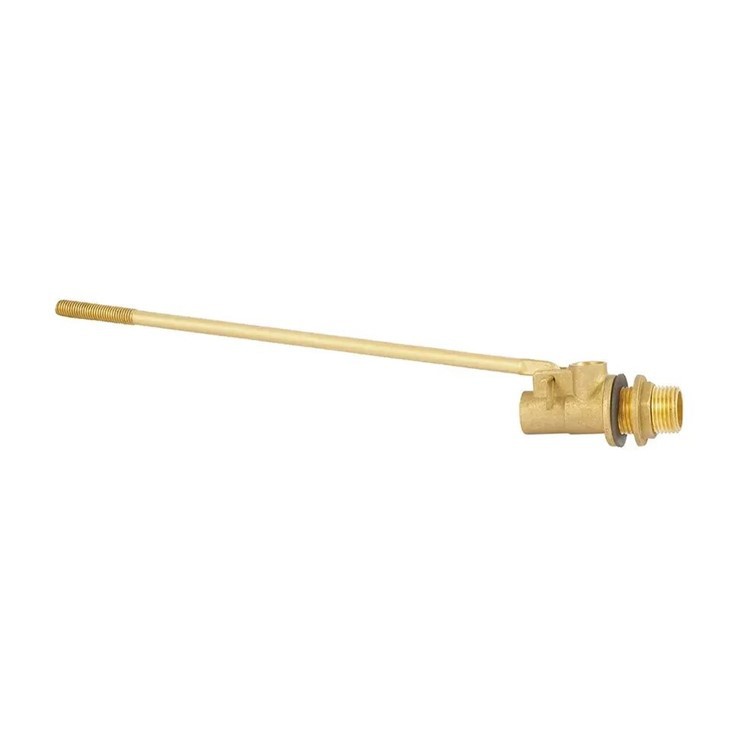
Typical Lifespan Ranges
The lifespan of a floating ball valve can vary widely depending on the factors mentioned above. In general, in a normal residential or light - commercial water system, a well - made floating ball valve can last anywhere from 10 to 20 years.
In industrial applications, where the operating conditions are more demanding, the lifespan may be shorter. For example, in a high - pressure steam system or a chemical - processing plant, a floating ball valve may need to be replaced every 5 to 10 years. However, if the valve is made of high - quality materials, installed correctly, and maintained regularly, it can sometimes exceed these typical lifespan ranges.
Maximizing the Lifespan of a Floating Ball Valve
Selecting the Right Valve
When choosing a floating ball valve, it is important to consider the specific requirements of the application. This includes the size of the valve, the pressure and temperature ratings, and the compatibility with the fluid. For a small - scale water supply system, a 1/2" Float Ball Valve may be sufficient. However, for a larger industrial pipeline, a larger - sized valve with higher pressure ratings will be needed.
Following Best Installation Practices
As mentioned earlier, proper installation is crucial. This involves ensuring that the valve is correctly aligned, the connections are tight, and the valve is installed in the correct orientation. It is also important to use the appropriate gaskets and seals during installation to prevent leaks.
Implementing a Maintenance Program
Developing a regular maintenance schedule can help keep the floating ball valve in good working condition. This can include periodic inspections, cleaning, and lubrication. Records should be kept of all maintenance activities to track the valve's performance over time.
Conclusion
The lifespan of a floating ball valve is influenced by multiple factors, including material quality, operating conditions, and maintenance practices. As a supplier, we are committed to providing high - quality valves that are designed to last. By understanding the factors that affect the valve's lifespan and taking appropriate measures to maximize it, our customers can ensure reliable and efficient operation of their systems.
If you are in the market for floating ball valves or have any questions about valve selection, installation, or maintenance, we encourage you to contact us for a detailed discussion. Our team of experts is ready to assist you in finding the best solutions for your specific needs.
References
- "Engineering Handbook of Valves". McGraw - Hill Professional.
- "Materials Selection for Corrosive Environments". ASM International.