

How to protect gas ball valves in high - temperature environment?
Dec 08, 2025
Hey there! As a gas ball valves supplier, I've seen firsthand how high - temperature environments can really take a toll on these crucial components. In this blog, I'm gonna share some tips on how to protect gas ball valves in such tough conditions.
Understanding the Challenges in High - Temperature Environments
First off, let's talk about what high temperatures do to gas ball valves. When the temperature rises, the materials that make up the valve can expand. This expansion can lead to all sorts of problems. For example, the valve seat might not seal properly anymore, which can cause leaks. And if there's a leak in a gas system, well, that's a big no - no as it can be a major safety hazard.
Another issue is that high temperatures can degrade the lubricants used in the valve. Lubrication is super important for the smooth operation of the valve. Without proper lubrication, the valve can become hard to turn, and in the worst - case scenario, it might even get stuck.
Selecting the Right Materials
One of the most important steps in protecting gas ball valves in high - temperature environments is choosing the right materials. Not all materials can handle extreme heat. For instance, some plastics will melt or deform at high temperatures. So, we usually recommend using metals like stainless steel or brass.
Stainless steel is a great choice because it has excellent heat resistance. It can withstand high temperatures without losing its strength or shape. Brass is also a popular option. It's not only resistant to heat but also has good corrosion resistance. If you're looking for some quality valves made from these materials, check out our 1/2 Inch Kitchen Ball Valve and High Quality 1/2 Ball Valve. These valves are designed to perform well even in tough conditions.
Insulation
Insulating the gas ball valve is another effective way to protect it from high temperatures. Insulation helps to reduce the amount of heat that reaches the valve. You can use various types of insulation materials, such as ceramic fiber or mineral wool.
Ceramic fiber insulation is lightweight and has excellent heat - resistant properties. It can be wrapped around the valve to create a barrier between the valve and the hot environment. Mineral wool is also a good option. It's fire - resistant and can provide good thermal insulation. By insulating the valve, you can keep its temperature within a safe range and prevent damage.
Cooling Systems
In some cases, using a cooling system might be necessary. There are different types of cooling systems available. One common type is a water - cooling system. This system circulates water around the valve to remove heat.
Water - cooling systems can be very effective, but they do require a constant supply of water. Another option is an air - cooling system. This system uses fans to blow air over the valve, which helps to dissipate heat. When choosing a cooling system, you need to consider factors like the size of the valve, the temperature of the environment, and the availability of resources.
Regular Maintenance
Regular maintenance is crucial for the long - term protection of gas ball valves in high - temperature environments. You should inspect the valve regularly for signs of wear and tear. Check the valve seat for any damage or leaks. If you notice any problems, it's important to address them right away.
Lubrication is also an important part of maintenance. As I mentioned earlier, high temperatures can degrade the lubricants. So, you need to make sure that the valve is properly lubricated at all times. Use a high - temperature lubricant that can withstand the heat. You can also clean the valve periodically to remove any dirt or debris that might have accumulated.
Monitoring
Monitoring the temperature of the gas ball valve is a smart move. You can use temperature sensors to keep track of the valve's temperature. If the temperature gets too high, you can take action before any serious damage occurs.
There are different types of temperature sensors available. Some are simple and can be attached directly to the valve. Others are more sophisticated and can be integrated into a monitoring system. By monitoring the temperature, you can ensure that the valve is operating within a safe range.
Protective Coatings
Applying a protective coating to the gas ball valve can also help to protect it from high temperatures. There are various types of coatings available, such as ceramic coatings and thermal barrier coatings.
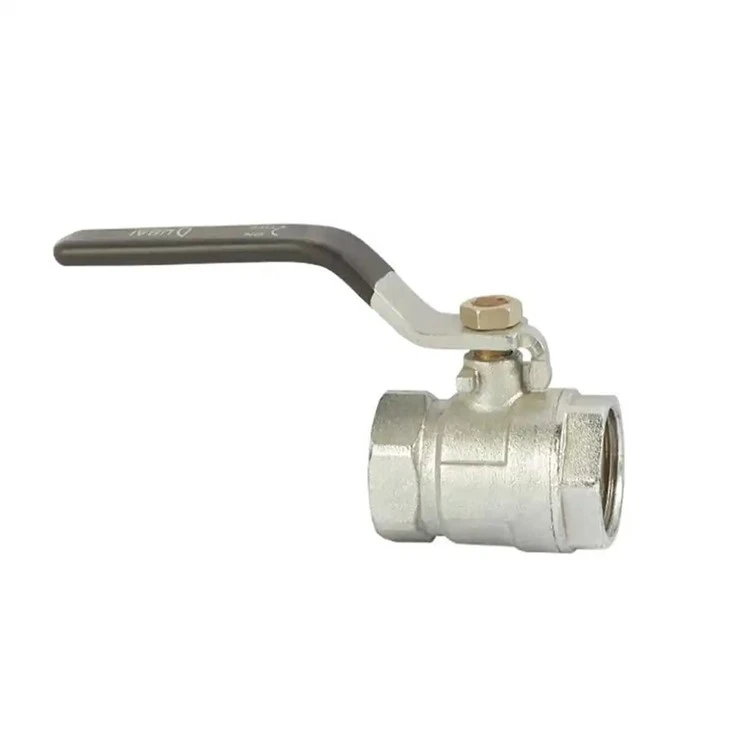
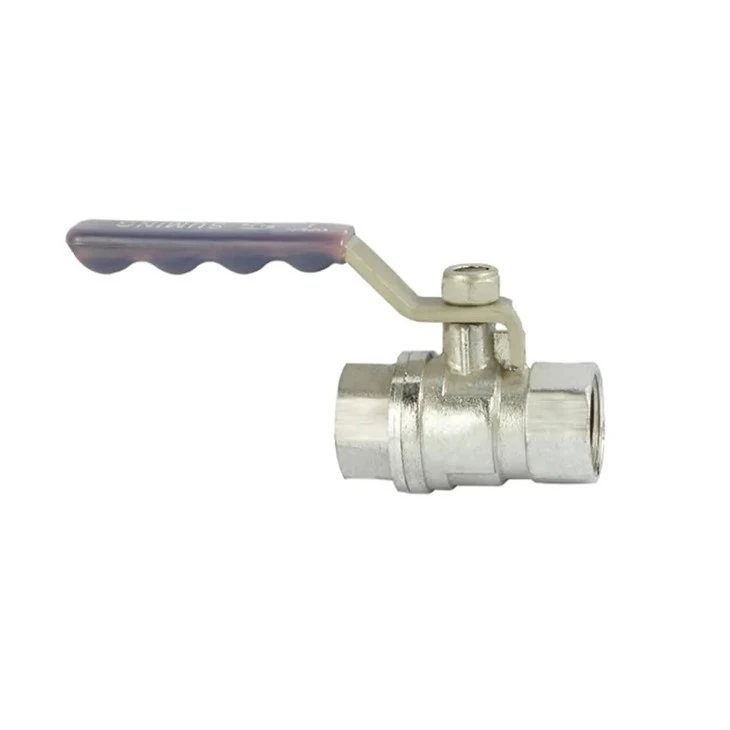
Ceramic coatings can provide excellent heat resistance. They can reflect heat away from the valve and prevent it from overheating. Thermal barrier coatings work by reducing the transfer of heat to the valve. These coatings can significantly improve the valve's performance in high - temperature environments.
Conclusion
Protecting gas ball valves in high - temperature environments is not an easy task, but it's definitely doable. By selecting the right materials, insulating the valve, using cooling systems, performing regular maintenance, monitoring the temperature, and applying protective coatings, you can ensure that your gas ball valves last a long time and perform well.
If you're in the market for high - quality gas ball valves that can handle high - temperature environments, we've got you covered. Check out our Brass Ball Water Valve and other products. We're always here to help you find the right solution for your needs. If you have any questions or want to discuss your requirements, don't hesitate to reach out. We're eager to start a conversation about your procurement needs and see how we can work together to get you the best gas ball valves for your applications.
References
- "Handbook of Valves" by Valves Manufacturers Association
- "Materials Science for Engineers" by John Doe