


Taizhou Qishang valve manufacturer was established in 2016. The company has a plant area of 5000 square meters and mainly provides OEM die-casting and forging parts for overseas customers, including bibcocks, angle valves, ball valves, stop valves, globe valves, check valves, float valves, bathroom accessories, and faucets, etc.
Why Choose Us?
Advanced Equipment
We have introduced a complete set of production equipment and technology for molding, casting, forging, deburring, machining, polishing, electroplating, painting, assembling, and inspection. This range includes material analysis tests, salt spray tests, and pressure-bearing tests.
Broad Market
Our products are exported to European countries, American countries, Asian countries, African countries, and Middle Eastern countries because our products have high quality and their low price. They are favored by customers, earning customers' praise, and being procured in the long term.
Wide Range of Applications
Our products are suitable for water, natural gas, machinery, metallurgy, petrochemical, chemical, urban construction, and other related industries, and are suitable for a variety of places and uses.
Leading Service
We independently complete R&D, production, marketing, sales, and technical support processes. A variety of designs meet different customer needs; you just need to send your requirements via email and we will customize the product for you.
-
![Brass Tube Fittings]() Add to Inquiry
Add to Inquiry -
![Brass Pipe Fittings]() Add to Inquiry
Add to Inquiry -
![High Quality Brass Pipe Fittings]()
High Quality Brass Pipe Fittings
Add to Inquiry -
![Brass Pipe Fitting]() Add to Inquiry
Add to Inquiry -
![High Quality Brass Pipe Fitting]()
High Quality Brass Pipe Fitting
Add to Inquiry -
![Brass Gas Valve Fitting]() Add to Inquiry
Add to Inquiry -
![Copper Pipe Fittings]() Add to Inquiry
Add to Inquiry -
![High Quality Copper Pipe Fittings]()
High Quality Copper Pipe Fittings
Add to Inquiry -
![Zinc Alloy Fitting]() Add to Inquiry
Add to Inquiry -
![Brass Gas Valve Fittings]() Add to Inquiry
Add to Inquiry -
![Brass Pipe Fitting Reducer Adapter Nipple]()
Brass Pipe Fitting Reducer Adapter Nipple
Add to Inquiry -
![Copper Pipe Fitting]() Add to Inquiry
Add to Inquiry


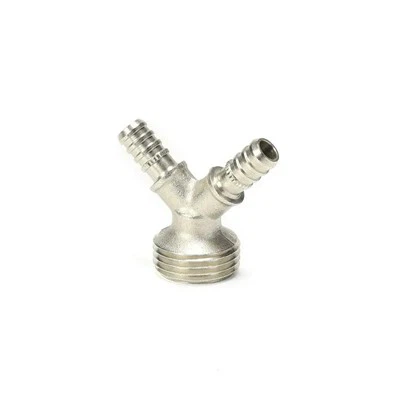

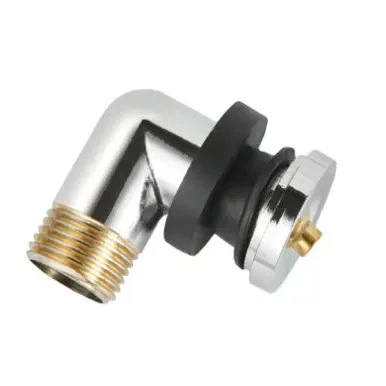


Brass fittings are a type of plumbing fixture that is made out of brass, a type of metal. Brass fittings are used to connect two pieces of plumbing together. There are many different types of brass fittings, including brass couplings, elbows, brass tees, and caps.
Brass fittings are often used in water systems because brass is a corrosion-resistant metal. This means that it does not rust or corrode over time, which can cause leaks in plumbing systems.
They are Durable
Brass fittings have been used in both residential and industrial plumbing because it is great for heavy-duty use and it stays in good condition for years. When you have a plumbing project that needs to have a long lifespan, brass is a good choice because it lasts for a long time without disintegrating or even cracking. It’s also perfect for use in hot water supply lines.
They can Withstand High Temperatures
As the best fitting material for distributing hot water, brass provides exceptional conductivity and improves the efficiency of the distribution system. In fact, brass fittings can tolerate much higher temperatures than fittings made of other materials, up to the point of being fire resistant.
They are Malleable
You may find that you need to mold or shape a fitting to make it work in specific areas. If so, then a brass fitting is the ideal choice. Brass is a malleable metal – much more so than iron or steel. That makes brass fittings a very flexible option for many tight plumbing spots.
They are Corrosion Resistant
Brass doesn’t rust and it is highly resistant to corrosion. Rust and corrosion rapidly speed up the natural wear and tear process on the fitting, so when you are looking for long-lasting fittings, brass is the best material for the job.
They are Versatile
You can find brass fittings in all types and sizes, so you can always find just what you need for your specific plumbing projects.
Types of Brass Fitting

Compression Fittings
Flare Fittings
Sae 37/45-Degree Fittings
Garden Hose Fitting
Barbed Hose Fitting
Brass Swivel Hose Barb Fittings
Dot Air Brake Fittings
Uses of Brass Fitting
On/Off Valves
An on/off valve is a brass fitting that is used to turn the water flow on and off. This fitting is often found near the water meter or at the entrance of the house where the main water line enters. It is important to have an on/off valve in these locations to be able to easily shut off the water when needed.
Water Supply Lines
A water supply line is a brass fitting that transports potable water from the main water source to the various fixtures in the home, such as sinks, toilets, and bathtubs. These lines are typically made out of copper but can also be made out of plastic or brass. The fittings used for connecting these lines together are called couplings, unions, and brass adapters.
Drain Pipes
A drain pipe is a plumbing fixture that is used to remove wastewater from the home. This wastewater is often discharged into a sewer or septic system. The drain pipe itself is typically made out of plastic, but the fittings that connect it to the other plumbing fixtures are often made out of brass.
Water Pump Connections
A water pump is a device that is used to move water from one location to another. This pump is often found in the basement or crawlspace of a home and is used to supply water to the upper floors. The connections between the water pump and the other plumbing fixtures are typically made out of brass.
Relief Valves for Pressure Reduction
A relief valve is a brass fitting that is used to relieve pressure in the plumbing system. This valve is often found on hot water tanks, boilers, and dishwashers. When the pressure in the system gets too high, the relief valve will open and release water to reduce the pressure.
Applications of Brass Fitting
The Utilization Of Brass Fittings In The Plumbing Industry Is Quite Common, As They Are Highly Resistant To Corrosion And Able To Withstand High Water Pressure. These Fittings Are Used For Connecting Pipes, Valves, And Fixtures, And Their Versatility Allows Them To Be Utilized In Both Hot And Cold Water Systems. The Installation Process Is Very Easy And The Fittings Provide A Secure, Leak-Free Connection.
One Of The Significant advantages of brass fittings In Plumbing Systems Is Their Ability To Adapt To Various Environmental Factors. They Can Withstand Extreme Temperatures, Harsh Water Conditions, And High Water Pressure.
Additionally, They Are Highly Resistant To Chemical Corrosion Caused By Different Plumbing Chemicals, Such As Acidic Or Alkaline Water. As A Result, They Are An Excellent Choice For Use In A Wide Range Of Plumbing Applications, Ranging From Household Systems To Commercial And Industrial Systems.
The Construction Industry Widely Utilizes Brass Fittings To Connect Various Building Components Such As Pipes, Valves, And Fixtures. They Are Highly Preferred Due To Their Excellent Durability And Resistance To Corrosion. They Are Available In Various Shapes, Sizes, And Configurations, Making Them Easy To Use And Versatile.
Brass Fittings Are Mainly Used In Construction Applications To Connect Copper Pipes, As Copper Is An Excellent Conductor Of Heat And Electricity. This Combination Provides An Efficient System For Carrying Water, Gas, And Other Fluids In A Building. The Versatility Of Brass Fittings Makes Them Ideal For Use In A Wide Range Of Construction Applications, From Residential Buildings To Commercial And Industrial Structures. Furthermore, Brass Fittings Are Resistant To Environmental Factors Such As Temperature Changes And Chemical Corrosion, Making Them An Ideal Choice For Construction Applications.
The Marine Industry Is One Of The Many Industries That Rely On Brass Fittings For Connecting Various Components In Boats, Including Pipes, Valves, And Fixtures. The Preference For Brass Fittings In The Marine Industry Is Due To Their High Resistance To Corrosion And Their Ability To Withstand Harsh Marine Environments. The Installation Process Of These Fitting Is Straightforward, And They Provide A Tight And Leak-Free Connection.
Brass Fittings Are Mainly Used In Marine Applications To Connect Different Systems, Such As Fuel Lines, Water Systems, And Air Conditioning Systems. Additionally, They Are Essential In Marine Plumbing Systems, Including Greywater And Septic Systems. The Durability And Corrosion Resistance Of Brass Fittings Makes Them An Ideal Choice For Use In Harsh Marine Environments, Where Corrosive Elements Like Salt Water Can Quickly Degrade Metal Components.
The Electrical Industry Uses Brass Fitting To Connect Electrical Components, Including Wires, Cables, And Conduits. They Are Preferred For Their High Conductivity, Resistance To Corrosion, And Durability. They Are Easy To Install And Offer A Tight, Leak-Free Connection. In Electrical Applications, Brass Fittings Are Mainly Used To Connect Wires And Cables In Buildings And Machinery. They Are Also Used To Connect Conduits And Electrical Panels. The High Conductivity Of Brass Fittings Ensures Efficient Electrical Performance, While Their Corrosion Resistance And Durability Make Them Ideal For Use In Harsh Environments.
The Considerations for Buying




Understand The Plumbing System
Before you begin searching for pipe fittings online, it’s important that you first have a clear understanding of the plumbing system you’re working with, especially for commercial properties where it could be more complicated. Consider the following:
Pipe Material - Different pipe materials are commonly used in a variety of projects, including copper, PVC, PEX, and galvanized steel. Ensure you know the type of pipes you have or plan to install as this will determine the compatibility of the fittings.
Pipe Size - Measure the size of the pipes you’re working on accurately. Pipe fittings come in various sizes, and selecting the wrong size can lead to leaks and inefficiencies.
Fitting Type - Identify the specific type of fittings you need, such as elbows, tees, couplings, adapters, and valves. Understanding the plumbing layout will help you determine which fittings are necessary.
Check Material Compatibility
The material of the pipe fittings is critical for ensuring durability and longevity, and it is also important to select the material that aligns with the plumbing needs and budget when you choose to buy pipe fittings online. Consider the following materials commonly used for this, such as:
Brass - Brass fittings are corrosion-resistant and suitable for both hot and cold water applications. They are known for their durability and are often used in plumbing systems.
PVC - PVC (polyvinyl chloride) fittings are lightweight, affordable, and resistant to corrosion and chemicals. They are ideal for drain and wastewater systems.
Copper - Copper fittings are known for their longevity and corrosion resistance. They are commonly used in potable water systems but can be more expensive than other materials.
Stainless Steel - Stainless steel fittings offer excellent corrosion resistance and durability. They are suitable for various applications, including water, gas, and industrial systems.
PEX - PEX (cross-linked polyethylene) fittings are flexible and easy to install. They are commonly used in residential plumbing for hot and cold water distribution.
Consider Pressure and Temperature Ratings
Pipe fittings have specific pressure and temperature ratings that indicate their maximum safe operating conditions. Exceeding these ratings can lead to leaks or even ruptures in the plumbing system. Make sure the fittings you choose can handle the pressure and temperature requirements of the plumbing system.
Budget Constraints
When you are planning to buy pipe fittings, it's a given to consider the budget you’re working with. While it’s tempting to opt for the cheapest options, quality often comes with a higher price tag. Investing in high-quality fittings can save you money in the long run by reducing the likelihood of leaks and costly repairs.
Environmental Considerations
Sustainability is a growing concern when it comes to plumbing materials. When selecting pipe fittings, consider their environmental impact. Some materials such as PVC may have a greater environmental footprint due to their manufacturing process and potential for chemical emissions.
Ease of Installation
The ease of installation can affect the overall cost and timeline of your plumbing project. Some pipe fittings, like push-to-connect fittings, are designed for quick and straightforward installation without the need for specialized tools. Others may require soldering or threading, which can be more labor-intensive and time-consuming. Choose fittings that align with your or your client’s preferences to ensure a smooth and efficient plumbing project.
Future Maintenance and Repairs
No plumbing system is entirely maintenance-free forever, so it's essential to think about future maintenance and repairs when selecting pipe fittings. Some fittings may be easier to access and replace than others. Consider the accessibility of the fittings within the plumbing system and whether they are prone to wear and tear. Certain materials, such as brass and stainless steel, are less likely to corrode and require maintenance over time. To avoid more unnecessary work and expense for repairs, it’s best to leave it to the professionals to ensure quality plumbing work from the get-go.
Check Local Regulations
It's crucial to select pipe fittings that comply with these local regulations. Non-compliant fittings can lead to legal issues and may not be covered by insurance in the event of plumbing-related damage.
Our Factory
Qishang has become a professional and modernized enterprise producing valves and fittings. We place priority on customers' needs and product quality and look forward to cooperating with customers all over the world on the basis of mutual benefit.


Our Certificate
We have Alibaba Quality factory certification, as an honest and trustworthy unit, and quality product certification.


Contact Us
Frequently Asked Questions
Q: What Are Types Of Brass Fittings?
There are a number of different types of brass fittings available on the market, each of which has its own specific purpose. In this blog post, we’re going to take a closer look at some of the most common types of brass fittings so that you can choose the right ones for your needs.
Compression Fittings
Brass compression fittings are one of the most widely used types of brass fittings. They are incredibly easy to install, and they can be used with a variety of different materials, including copper, PVC, and CPVC.
Compression brass fittings consist of two elements: a compression nut and a compression ring. The compression nut is threaded onto the end of the pipe, and the compression ring is placed over the end of the pipe and screwed down tight. This creates a seal that prevents water from leaking out.
Tee Fittings
Brass tee fittings are used to connect three pieces of plumbing together. They are available in both threaded and welded varieties, and they come in a range of different sizes.
Elbow Fittings
Elbow fittings allow you to change the direction of your plumbing. They are available in both 90-degree and 45-degree varieties, and they come in a range of different sizes.
Cross Fittings
Cross fittings are very similar to brass tee fittings, except that they have four openings instead of three. They are used to connect four pieces of plumbing together, and they come in a range of different sizes.
Coupling Fittings
Brass couplings are used to connect two pieces of plumbing together. They come in a range of different sizes, and they can be either threaded or welded.
Cap Fittings
Cap fittings are used to seal the end of a piece of plumbing. They come in a range of different sizes, and they can be either threaded or welded.
Plug Fittings
Brass plug fittings are very similar to cap fittings, except that they have a male thread instead of a female thread. This allows them to be connected to a piece of plumbing with a female thread. They also come in a range of different sizes.
Nipple Fittings
Nipple fittings are short lengths of pipe with male threads on both ends. They are used to connect two pieces of plumbing together, and they come in a range of different sizes.
Union Fittings
Brass unions are to connect two pieces of plumbing together. They come in a range of different sizes, and they have a female thread on one end and a male thread on the other.
Valve Fittings
Valve fittings are used to control the flow of water through a piece of plumbing. They come in a range of different sizes and types, including ball valves, gate valves, and check valves.
Q: What benefits does Brass Fitting bring in plumbing?
Brass is also resistant to bacteria and other contaminants, making it a safer option for potable water systems.
Brass fittings are easy to install and use, and they can be adapted to fit most plumbing applications.
Brass is a relatively affordable material, making it an economical choice for plumbing systems.
Most importantly, brass fittings are known for their high quality and reliability. When installed properly, they will provide years of trouble-free service.
Q: What are Brass Fittings Used For?
Brass pipe fittings are often the choice of plumbers and other construction professionals because of its dynamic properties. It is more durable and flexible than other material options and resistant to corrosion.
Brass pipe fittings are typically used for carrying water, chemicals, flammable gases, slurries, and other plumbing substances. Pipe fittings made of brass come in a wide range of shapes and thread sizes to connect, adapt, or control any liquid or gas in pipes.
Besides plumbing, brass fittings are also used for some automotive applications, such as in air brakes, hose ends, and fuel line valves. You may also find brass fittings in ballcock adapters, refrigerator cooler fittings, and compression fittings.
Q: What are the Different Processes Involved in the Production of Brass Pipe Fittings?
Evaporative Pattern Casting: As the name suggests, evaporative technology is used in this casting process.
Centrifugal Casting: This type of casting technique is most common in manufacturing thin-walled cylinders. The centrifugal casting process is also referred as a rotocasting process.
Continuous Casting: In this casting process, the molten metals are solidified which helps them get a final finish. The continuous casting process is also referred to as strand casting.
Die Casting: This is another metal casting process. In this process, the molten metal under high pressure is passed through a mold.
Q: What are the Components Required for Brass Pipe Fittings?
Nipple: Nipple is basically a stub of a pipe. It is used to connect two fittings and is most commonly used for plumbing solutions. This component is made from copper or chlorinated polyvinyl chloride.
Tee: Tee is yet another vital pipe fitting component, which is used to deliver a steady flow of any liquid.
Reducer: When you want to connect two pipes having dissimilar widths. In that case, a reducer is used.
Elbow: This component has a shape of a human elbow. It is used to change the direction of a pipe by 45° or 90°.
Cross: As the name suggests, this component has a cross shapes, with four branches in opposite directions. One out of the four crosses is used as an inlet, whereas the remaining three branches are used as outlets.
Union: During maintenance, fixture, or replacement, the pipes are required to be disconnected. There is a component for this purpose, too. A union is a component used to disconnect pipes, whenever required for the aforementioned purposes.
Q: How to select fittings?
Always pay attention to the weight of the part. If it seems to you that the product is too light, then this indicates that the manufacturer saved money and made the walls too thin. Remember that the density of brass is 5 g/cm³;
The second thing to focus on is the quality of the product. Examine the fitting carefully. It should be free of chips, poor-quality thread, crooked exit or other defects. As a test, you can connect it to a pipe right in the store;
Estimate the price of the item last. If it is too low for the market in your city, then you need to think about why that is. Perhaps the manufacturer saved on alloy and the product could lead to breakdown of the entire pipeline system.
Our brass fittings meet all key specifications:
Smooth inner and outer surfaces allow you to quickly notice and correct damage, and also prevents the occurrence of harmful substances on the material;
All our fittings are free of cracks, chips, other defects and meet all the stated requirements;
They are completely sealed if the installation instructions are followed;
In production we use state-of-the-art mechanisms and high quality materials. In one package with our fittings, you buy reliability and quality.
Q: What are the Benefits of Using Brass Pipe Fittings?
Excellent Malleability: Brass has excellent malleable properties. This means that the material has good flexibility as compared to a steel or iron pipe and can be easily adjusted/ twisted. The material is easier to mold than other materials. Though brass is extremely malleable, still it continues to retain its dependability and durability.
Extreme Durability: Brass is an extremely durable material, thanks to its various working properties. The brass pipe fittings are the perfect choice for you if you are looking for fittings that will deliver performance consistently for many years to come. In addition to this, these brass fittings have the capability to deliver an optimal performance in supply lines containing boiling water.
Exceptional Versatility: Brass pipe fittings can be supplied in a wide range of shapes, sizes, and widths. This makes them exceptionally versatile and suitable for use with a variety of pipes in plumbing systems. Be it a project with strict specifications, or a water line into your home – the brass pipe fittings are capable of delivering high performance.
High Resistance to Corrosion: Metal fittings can undergo significant wear and tear due to corrosion and rust. Brass is known to have excellent resistance to corrosion and this makes it ideal for use in pipe fittings. The non-corrosive properties of brass pipe fittings are the reason why they are preferred in areas with high corrosive water properties.
High-Temperature Tolerance: Brass has a good conductivity of temperature. It has the capability to withstand higher temperatures as compared to other materials. This makes it perfect for hot water distribution systems.
Q: What is Brass Fitting used for?
Automotive brass fittings include hose ends, air brakes, and fuel lines. Manufacturers also use brass to make refrigerator cooler fittings, compression fittings, ballcock adaptors, and brass hose barb fittings.
Most people prefer brass fittings because they are safe, durable, and effective. They may be slightly more expensive than fittings made of other materials, but their benefits often outweigh the cost.
Durability
Brass fittings remain in good condition for years, even in constant, heavy use for hot water supply lines. They are a reliable, long-lasting solution that does not easily crack or disintegrate.
Versatility
Brass fittings are very versatile. They come in a multitude of shapes and sizes, so you are likely to find the best ones for your project. Industrial brass fittings are usually large, while smaller fittings are good for residential use.
Brass does not rust or corrode, which allows fittings to last a long time. Rust accelerates the fitting’s natural wear, so choose brass to ensure your fittings do not experience premature wear.
Malleability
You may need to adjust your fittings to fit into tight or uniquely shaped plumbing locations. Brass is more malleable than steel or iron, so customizing brass fittings is simple.
High-Temperature Resistance
Brass fittings are ideal for transporting hot water because they have just the right amount of thermal conductivity. Because they can withstand higher temperatures than iron or steel fittings, brass fittings can enhance the efficiency of the entire water system.
Q: Can brass fittings be used in hydraulic systems?
Pressure range
Appearance: Brass connectors designed for use in hydraulic systems are robust and usually have threaded ends for a secure connection.
Components: These fittings usually consist of a body, a seal, and a threaded end.
Benefits: Brass fitting is suitable for medium to high-pressure hydraulic systems, providing a reliable, leak-proof connection.
Acid and alkaline environments
Appearance: These brass pipe fittings are usually coated or treated to resist corrosive environments.
Components: Core components remain the same, but may include additional coatings or treatments.
Benefits: Known for its corrosion resistance, brass is an excellent choice for both acidic and alkaline conditions.
Q: What tubes can brass pipe fittings be used with?
Cooper pipe
Appearance: Brass adapters are often colored to work with copper pipe.
Components: A simple threaded connection is usually all that is required.
PVC and CPVC Piping
Appearance: Brass fitting is used with white or gray PVC pipe. Special threaded or push-on adapters may be required.
Components: Special adapters may be required when connecting brass couplings to PVC or CPVC pipes. These could be threaded or push-on adapters, depending on the specific application and the type of connection required.
Stainless Steel Tubing
Appearance: The gold color of brass pipe fittings visually contrasts with the silver color of stainless steel fittings.
Components: Threaded connections are common, but ensure compatibility to avoid galvanic corrosion.
PEX Piping
Appearance: Brass adapters are often used with colored PEX pipes.
Components: Expansion fittings or crimp rings are often used to secure connections.
Galvanized Steel Tubing
Appearance: Shiny brass couplings stand out against the matte finish of the galvanized steel pipe.
Components: Threaded connections are standard, but dielectric fittings may be required to prevent corrosion.
Cast Iron Pipe
Appearance: Brass pipe fittings have a polished appearance compared to the rough surface of cast iron.
Components: Rubber or neoprene gaskets are often used to ensure a tight seal.
Q: How to Choose Brass Fittings?
Before entering the selection process, it is vital to understand the specific requirements of the application. Do you need to cope with high pressures, corrosive environments, or extreme temperatures? Understanding these factors will guide your selection.
The importance of material grade
Different grades of brass offer different strengths, corrosion resistance, and workability. Be sure to check the grade that is right for your application. For example, lead-free brass is ideal for potable water systems.
Check Quality Standards
Look for fittings that meet recognized industry standards such as ASTM, ISO, or other certifications. This ensures that the product has been rigorously tested to meet specific quality and safety standards.
Fitting Types
Brass hose fittings come in a variety of types, such as compression, flare, and barb. Each type has a specific purpose and is suitable for a particular application. Be sure to select the type that meets your needs.
Compatibility
Whether it’s copper, plastic, or steel tubing, make sure that the fittings you choose are compatible with the materials to be connected. Incompatibility can lead to leaks and system failure.
Q: Size and dimensions
Supplier Reputation
Choose a reputable supplier who can provide material certificates and has a track record of delivering quality products. This adds an extra layer of assurance.
Budget constraints
While prioritizing quality, it is also important to consider the budget. Brass pipe fittings vary in price, and it’s possible to find high-quality options that won’t break the bank.
Ask the Experts
When in doubt, consult professionals or experts in the relevant field. Their insights are invaluable in making the right choice.
As one of the most professional brass fitting manufacturers and suppliers in China, we're featured by quality products and competitive price. Please rest assured to wholesale cheap brass fitting from our factory. Contact us for OEM service.
High Quality Copper Pipe Fittings, Brass Pipe Fittings, Brass Fitting