

How to measure the diameter of a kitchen ball valve?
Dec 10, 2025
Measuring the diameter of a kitchen ball valve is a fundamental yet crucial task, especially for those in the plumbing industry or homeowners looking to replace or install a new valve. As a trusted Kitchen Ball Valves supplier, we understand the importance of accurate measurements. In this blog post, we'll guide you through the process of measuring the diameter of a kitchen ball valve, providing you with the knowledge and tools you need to ensure a proper fit.
Why Measuring the Diameter Matters
Before we delve into the measurement process, let's first understand why getting the diameter right is so important. A kitchen ball valve is designed to control the flow of water or gas in a plumbing system. If the diameter of the valve does not match the diameter of the pipes in your kitchen, it can lead to a variety of problems. These include leaks, reduced water pressure, and even damage to the valve or the pipes over time. Therefore, accurate measurement is the first step towards a successful installation or replacement.
Tools You'll Need
To measure the diameter of a kitchen ball valve, you'll need a few basic tools. These include:
- Calipers: Digital or manual calipers are the most accurate tools for measuring the diameter of a valve. They can provide precise measurements, usually up to 0.01 mm or 0.001 inches.
- Tape Measure: A flexible tape measure can be used for a quick and rough estimate of the diameter. However, it may not be as accurate as calipers.
- Pipe Gauge: A pipe gauge is a specialized tool that can be used to measure the outside diameter of pipes and valves. It is particularly useful for identifying the standard pipe sizes.
Measuring the Outside Diameter (OD)
The outside diameter is the measurement across the outer edge of the valve. Here's how you can measure it:
- Prepare the Valve: Ensure the valve is clean and free from any debris that could affect the measurement.
- Position the Calipers: Open the calipers wide enough to fit around the valve. Place the tips of the calipers on opposite sides of the valve, at the widest point.
- Take the Measurement: Close the calipers gently until they touch the valve's outer surface. Read the measurement displayed on the calipers. If using manual calipers, make sure to read the measurement accurately, taking note of the main scale and the vernier scale (if applicable).
Measuring the Inside Diameter (ID)
The inside diameter is the measurement across the inner opening of the valve. Measuring the ID is important, especially if you are connecting pipes to the valve. Here's how you can do it:
- Choose the Right Tool: For measuring the ID, you can use calipers with a smaller measuring tip or a specialized ID caliper.
- Insert the Tool: Carefully insert the calipers into the valve's inner opening. Make sure the calipers are centered and parallel to the opening.
- Take the Measurement: Expand the calipers until they touch the inner walls of the valve. Read the measurement as you did for the OD.
Measuring the Nominal Pipe Size (NPS)
In addition to the OD and ID, you may also need to determine the nominal pipe size of the valve. The NPS is a standard sizing system used in the plumbing industry. It is not an exact measurement but rather a designation that corresponds to a specific OD and wall thickness.
- Use a Pipe Gauge: Place the valve in the appropriate slot of the pipe gauge. The gauge will indicate the NPS of the valve.
- Refer to Standards: If you don't have a pipe gauge, you can refer to plumbing standards or charts that list the NPS and corresponding OD for different pipe sizes.
Common Mistakes to Avoid
When measuring the diameter of a kitchen ball valve, there are several common mistakes that you should avoid:
- Not Measuring at the Right Point: Make sure to measure the valve at the correct location. For example, the OD may vary along the length of the valve, so measure at the widest point.
- Using the Wrong Tool: As mentioned earlier, using a tape measure instead of calipers can lead to inaccurate measurements. Always use the appropriate tool for the job.
- Ignoring the Wall Thickness: When measuring the ID, take into account the wall thickness of the valve. This can affect the fit of the pipes and the overall performance of the system.
Our Product Range
As a Kitchen Ball Valves supplier, we offer a wide range of high-quality valves to meet your needs. Our product range includes Gas Ball Valves, which are designed for use in gas plumbing systems. These valves are made from durable materials and are tested to ensure safety and reliability.
We also have Mini Ball Valves, which are perfect for applications where space is limited. These valves are compact yet powerful, providing excellent control over the flow of water or gas.
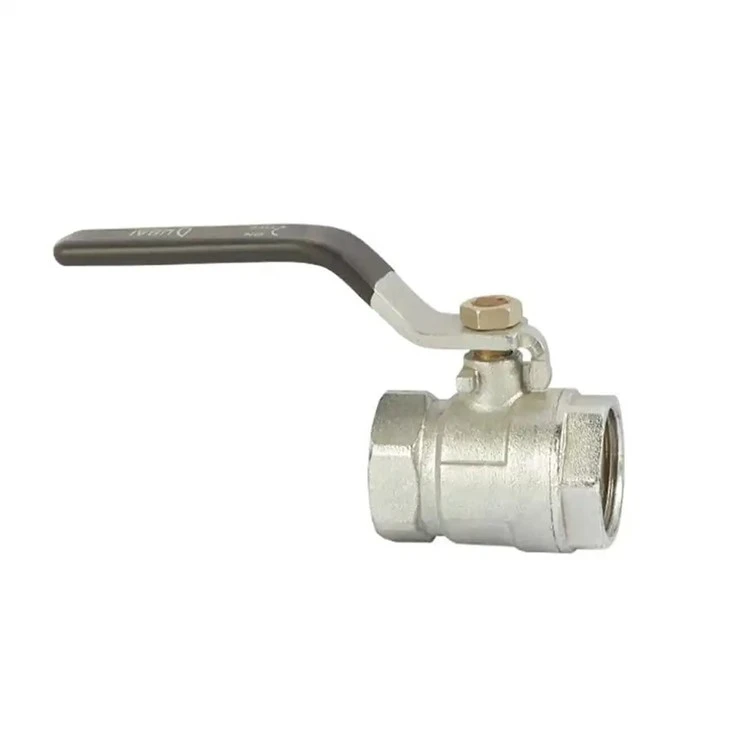
In addition, our Brass Water Ball Valve is a popular choice for kitchen plumbing. Made from brass, these valves are corrosion-resistant and have a long lifespan.
Contact Us for Your Ball Valve Needs
If you're in the market for a kitchen ball valve, we're here to help. Our team of experts can assist you in choosing the right valve for your application and ensure that you get the correct measurements. Whether you're a professional plumber or a DIY enthusiast, we have the products and knowledge to meet your needs.
Contact us today to discuss your requirements and start the purchasing process. We look forward to working with you to provide the best kitchen ball valves for your project.

References
- "Plumbing Handbook" by the American Society of Plumbing Engineers
- "Pipe Fitting Handbook" by the Pipe Fitting Institute