

What are the special requirements for ball valves in steam applications?
Sep 22, 2025
Hey there! As a ball valve supplier, I've seen firsthand the unique demands that steam applications place on these valves. Steam is a tricky customer, and if you're not using the right ball valve, you're in for a world of trouble. So, let's dive into what makes steam applications so special and what you need to look for in a ball valve.
Temperature Tolerance
One of the most significant challenges in steam applications is the high temperature. Steam can reach incredibly high temperatures, often well above 100°C (212°F). This means that the ball valve you use must be able to withstand these extreme conditions without deforming or losing its functionality.
Materials play a crucial role here. For instance, brass is a common material for ball valves, but it might not be the best choice for high - temperature steam applications. Brass has a relatively low melting point compared to some other metals. On the other hand, stainless steel is a great option. It can handle high temperatures without significant expansion or corrosion. Our Hot Selling Ball Valves include models made from high - grade stainless steel, which are designed to perform well in high - temperature environments.
The valve's seat material is also important. In steam applications, the seat needs to be made of a material that can resist heat and maintain a good seal. PTFE (Polytetrafluoroethylene) is a popular choice, but it has a temperature limit. For very high - temperature steam, you might need to look at materials like graphite, which can handle much higher temperatures.
Pressure Resistance
Steam applications often involve high pressures. The pressure of steam can vary depending on the system, but it can be quite substantial. A ball valve in a steam system must be able to handle these pressures without leaking or failing.
The valve's body and components need to be designed to withstand the force exerted by the high - pressure steam. This means that the wall thickness of the valve body is crucial. A thicker wall can better resist the pressure and prevent the valve from bursting. Our Brass Ball Valve models are engineered with the right wall thickness and internal structure to handle high - pressure steam applications.
Another aspect is the valve's rating. Make sure to choose a ball valve with a pressure rating that is suitable for your steam system. The rating indicates the maximum pressure the valve can safely handle. If you use a valve with a lower pressure rating than your system requires, it could lead to dangerous situations.
Corrosion Resistance
Steam can be corrosive, especially if it contains impurities or if the system is exposed to oxygen. Corrosion can damage the ball valve over time, leading to leaks and reduced performance.
As I mentioned earlier, stainless steel is a great material for corrosion resistance. It has a protective oxide layer that helps prevent rust and corrosion. Additionally, some ball valves are coated with special materials to enhance their corrosion resistance. For example, a nickel - based coating can provide an extra layer of protection against the corrosive effects of steam.
In steam systems where water is present, the risk of corrosion is even higher. That's why our Ball Valve For Water models are also suitable for steam applications in some cases. They are designed to resist the corrosive effects of water and steam, ensuring a long service life.
Sealing Performance
A good seal is essential in steam applications. Even a small leak can lead to energy loss, reduced efficiency, and potential safety hazards. The ball valve's sealing mechanism needs to be reliable and able to maintain a tight seal under high - temperature and high - pressure conditions.
The design of the valve's ball and seat is crucial for sealing performance. A well - machined ball and a properly designed seat can ensure a perfect fit, preventing steam from leaking. Some ball valves use a floating ball design, where the ball is free to move slightly and adjust to the seat, creating a better seal. Others use a trunnion - mounted ball design, which is more suitable for larger valves and high - pressure applications.
Regular maintenance is also important to keep the sealing performance in top shape. This includes checking for wear and tear on the ball and seat, and replacing any damaged components as needed.
Flow Control
In steam applications, precise flow control is often required. Whether it's regulating the amount of steam going into a process or maintaining a certain pressure in a system, the ball valve needs to be able to control the flow accurately.
The valve's port size and design play a role in flow control. A full - port ball valve allows for a larger flow area, which is suitable for applications where a high flow rate is needed. On the other hand, a reduced - port ball valve can be used for more precise flow control, as it restricts the flow to a certain extent.
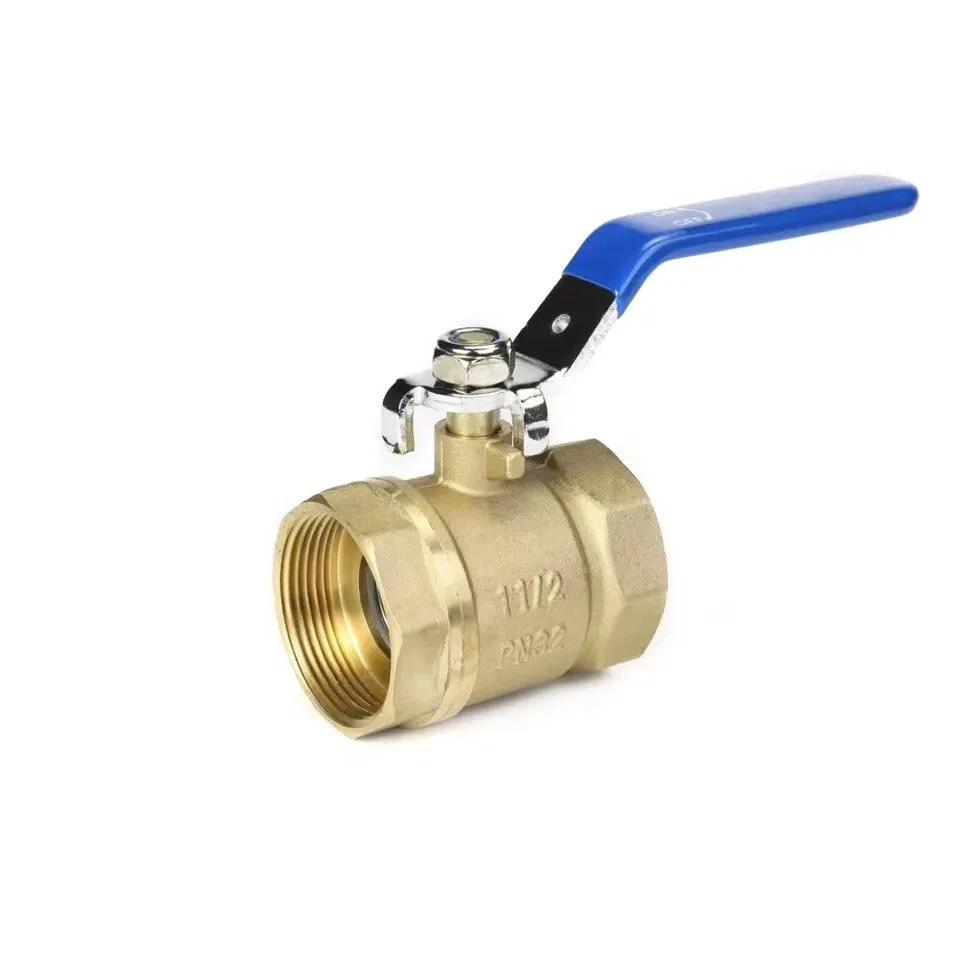

The valve's actuation method also affects flow control. Manual ball valves are simple and cost - effective, but they might not be suitable for applications where frequent or precise adjustments are required. In such cases, automated ball valves, such as those controlled by electric or pneumatic actuators, can provide more accurate and consistent flow control.
Conclusion
In summary, steam applications have some very specific requirements for ball valves. Temperature tolerance, pressure resistance, corrosion resistance, sealing performance, and flow control are all key factors to consider. As a ball valve supplier, we understand these requirements and offer a wide range of products that are designed to meet the needs of steam applications.
If you're in the market for ball valves for your steam system, don't hesitate to get in touch. We can help you choose the right valve based on your specific requirements. Whether you need a Hot Selling Ball Valves, a Brass Ball Valve, or a Ball Valve For Water, we've got you covered. Let's have a chat and find the perfect solution for your steam application.
References
- ASME Boiler and Pressure Vessel Code
- API Standards for Valves in Petroleum and Petrochemical Industries
- Manufacturer's Technical Documentation on Ball Valves