

What is the friction coefficient of the ball in a zinc alloy ball valve?
Nov 07, 2025
Hey there! As a supplier of Zinc Alloy Ball Valves, I often get asked about the nitty - gritty details of these valves. One question that pops up quite a bit is, "What is the friction coefficient of the ball in a zinc alloy ball valve?" Well, let's dive right into it.
First off, let's understand what the friction coefficient means. In simple terms, the friction coefficient is a number that tells us how much friction there is between two surfaces when one slides over the other. For a ball valve, it's the friction between the ball and the valve seat. This friction can have a big impact on how well the valve works.
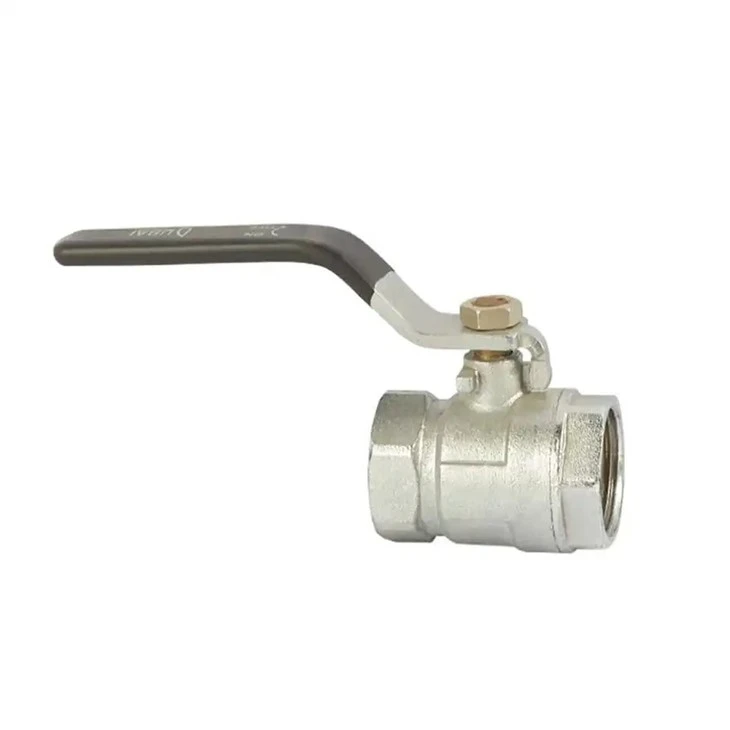
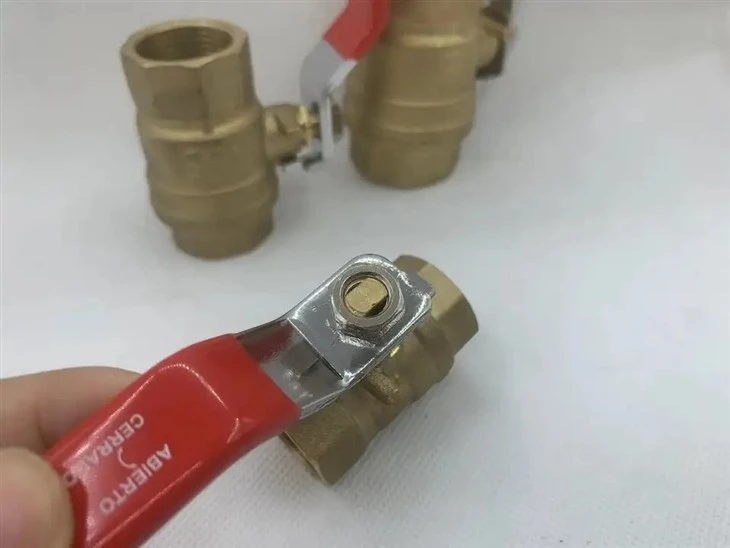
Now, when it comes to zinc alloy ball valves, the friction coefficient can vary depending on several factors. One of the main factors is the surface finish of the ball and the seat. If the surfaces are smooth, there will be less friction. Think about it like sliding a book on a polished table versus a rough one. The polished table offers less resistance, right? The same principle applies here. High - quality zinc alloy ball valves are often manufactured with precision - machined surfaces to reduce friction.
The type of fluid flowing through the valve also plays a role. If the fluid is viscous, like oil, it can act as a lubricant and reduce the friction coefficient. On the other hand, a dry or abrasive fluid can increase the friction. For example, if you're using the valve in a system that transports sand - laden water, the abrasive particles can cause more wear and increase the friction between the ball and the seat.
Temperature is another factor. At higher temperatures, the physical properties of the zinc alloy can change. The alloy might expand slightly, which could affect the fit between the ball and the seat and potentially change the friction coefficient. Also, high temperatures can cause the fluid to change its viscosity, further influencing the friction.
Typically, the friction coefficient of a well - designed zinc alloy ball valve can range from around 0.05 to 0.2. But this is just a rough estimate. The actual value can be different based on the specific design, materials, and operating conditions of the valve.
Now, why does the friction coefficient matter? Well, a lower friction coefficient means that the valve is easier to operate. You won't have to use as much force to open or close it. This is especially important in applications where the valve needs to be adjusted frequently. For industrial settings, it can also lead to energy savings. If you have to use less energy to operate the valve, it can reduce the overall cost of running the system.
On the flip side, a high friction coefficient can cause problems. It can lead to premature wear of the ball and the seat, which means the valve will need to be replaced more often. It can also cause the valve to stick, making it difficult to control the flow of the fluid accurately.
As a Zinc Alloy Ball Valve supplier, I know that choosing the right valve is crucial for your application. That's why we offer a wide range of ball valves to meet different needs. If you're looking for a more corrosion - resistant option, you might want to check out our Brass Water Ball Valve. It's a great choice for water - based systems.
Our Ball Valves collection includes various types and sizes to fit different pipelines and flow rates. Whether you need a small valve for a residential plumbing system or a large one for an industrial plant, we've got you covered.
And if you're interested in high - quality valves from a reliable source, our Yuhuan Ball Valve is a top - notch option. Yuhuan is known for its excellent manufacturing standards, and our valves are no exception.
We understand that every customer has unique requirements. That's why we're always here to help you choose the right valve for your specific needs. Whether you need advice on the friction coefficient, the best material for your application, or the right size of the valve, our team of experts is ready to assist.
If you're in the market for a zinc alloy ball valve or any other type of ball valve, don't hesitate to reach out. We can provide you with detailed product information, quotes, and even samples if needed. We believe in building long - term relationships with our customers, and we're committed to providing the best products and services.
In conclusion, the friction coefficient of the ball in a zinc alloy ball valve is an important factor that can affect the performance and longevity of the valve. By understanding the factors that influence it and choosing the right valve, you can ensure smooth operation and cost - effective performance of your system. So, if you're looking for a reliable ball valve supplier, give us a shout. We're here to make your valve - buying experience as easy and hassle - free as possible.
References
- "Fluid Mechanics and Thermodynamics of Turbomachinery" by S. L. Dixon and C. A. Hall
- "Valve Handbook" by J. R. Netterville