

What is the effect of fluid viscosity on a ball valve for gas?
Dec 16, 2025
Hey there! As a supplier of Ball Valve For Gas, I've been getting a lot of questions lately about how fluid viscosity affects these valves. So, I thought I'd take a deep dive into this topic and share what I've learned.
First off, let's talk about what fluid viscosity actually is. In simple terms, viscosity is a measure of a fluid's resistance to flow. Think of it like this: honey is more viscous than water. It flows more slowly because its molecules are more tightly packed and have more internal friction. When it comes to gas ball valves, the fluid we're dealing with is usually a gas, but sometimes there can be small amounts of liquid or other substances mixed in, which can change the effective viscosity.
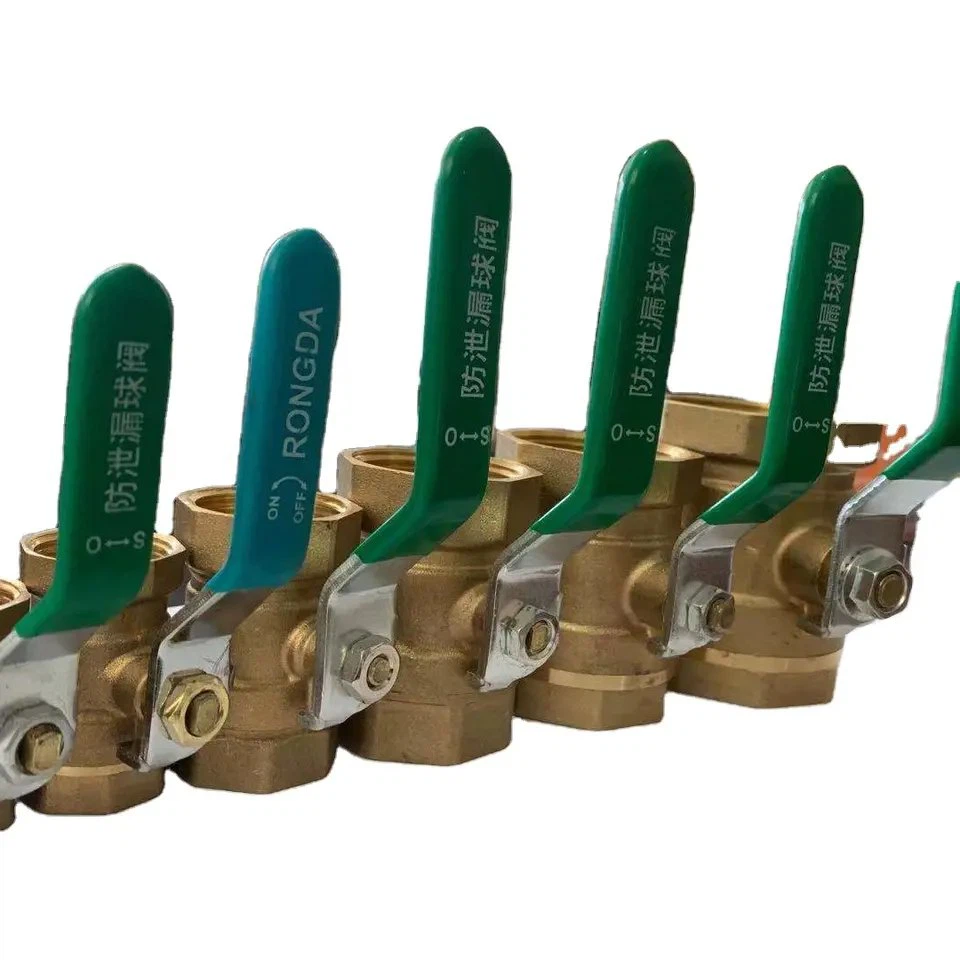
Now, how does this viscosity impact a gas ball valve? Well, one of the most significant effects is on the valve's flow rate. A more viscous fluid will flow through the valve at a slower rate compared to a less viscous one. This is because the higher internal friction in the viscous fluid makes it harder for it to move through the narrow passages in the valve. For example, if you have a Gas Brass Ball Valve and you're using it to control the flow of a gas with a small amount of oil mist (which increases the viscosity), you'll notice that the flow rate is lower than when you're using a clean, dry gas.
Another important aspect is the valve's actuation. When you turn the handle of a ball valve to open or close it, you're essentially moving the ball inside the valve to either allow or block the flow of fluid. With a more viscous fluid, there's more resistance against the ball. This means that you might have to apply more force to turn the handle. Over time, this increased force can cause more wear and tear on the valve components, such as the stem and the seals. If you're using a 1/2 Zinc Alloy Ball Valve, the extra stress from the viscous fluid could potentially lead to premature failure of these parts.
Viscosity also affects the sealing performance of the ball valve. A good seal is crucial to prevent any leakage of the gas. When a fluid is more viscous, it can form a kind of sticky layer on the sealing surfaces of the valve. In some cases, this can actually improve the seal because the viscous fluid fills in any small gaps or imperfections. However, if the viscosity is too high, it can cause problems. The sticky fluid might prevent the ball from seating properly, leading to leaks. And if the valve is left closed for a long time with a highly viscous fluid inside, the fluid can harden or solidify, making it difficult to open the valve later.
Now, let's consider the implications for different types of applications. In industrial settings where precise control of gas flow is required, the effect of fluid viscosity can be a real headache. For example, in a chemical processing plant, if the viscosity of the gas mixture changes due to the presence of by - products or additives, it can throw off the entire process. The flow rate might not be what it's supposed to be, and the pressure in the system could fluctuate. This can lead to inefficiencies, increased energy consumption, and even safety hazards.
On the other hand, in residential applications, the impact of fluid viscosity might not be as critical. For instance, in a home gas supply system, the gas is usually relatively clean and has a consistent viscosity. But if there's a problem with the gas pipeline, like a small amount of water or oil getting into the gas, it could still affect the performance of the Water Brass Ball Valve used to control the gas flow in the house. You might notice that it's harder to turn the valve or that the gas flow seems weaker.
So, what can you do to deal with the effects of fluid viscosity on gas ball valves? One option is to choose the right valve for the specific fluid you're dealing with. Different valves are designed to handle different viscosities. For high - viscosity fluids, you might need a valve with a larger bore size to allow for a better flow rate. And make sure to choose a valve with high - quality seals and components that can withstand the extra stress.
Regular maintenance is also crucial. This includes cleaning the valve to remove any build - up of viscous fluid, checking the seals for wear, and lubricating the moving parts if necessary. By doing these things, you can extend the lifespan of the valve and ensure that it continues to perform well.
If you're in the market for a gas ball valve and you're not sure which one is right for your application, especially considering the fluid viscosity, don't hesitate to reach out. We've got a wide range of valves, including the ones I've mentioned above, and our team of experts can help you make the best choice. Whether you need a valve for a small residential project or a large industrial installation, we've got you covered.

In conclusion, fluid viscosity can have a significant impact on the performance of gas ball valves. It affects the flow rate, actuation, and sealing performance. By understanding these effects and taking the right precautions, you can ensure that your gas ball valve works efficiently and safely. So, if you're looking for a reliable gas ball valve, give us a shout. We're here to help you with all your valve needs.
References
- "Fluid Mechanics" by Frank M. White
- "Valve Handbook" by Robert W. Saunders