

What is the anti - static performance of a 3/4 Inch Ball Valve?
Sep 19, 2025
As a supplier of 3/4 Inch Ball Valves, I am often asked about the anti - static performance of these valves. In this blog, I will delve into the concept of anti - static performance, its importance in 3/4 Inch Ball Valves, and how our products measure up in this regard.
Understanding Anti - Static Performance
Static electricity is a common phenomenon that occurs when there is an imbalance of electric charges on the surface of an object. In industrial settings, static electricity can pose significant risks. When two materials come into contact and then separate, electrons can be transferred from one material to the other, creating a static charge. In the case of ball valves, especially those used in fluid control systems, static electricity can build up during the flow of fluids.
The anti - static performance of a ball valve refers to its ability to prevent or dissipate static electricity effectively. A valve with good anti - static performance can reduce the risk of electrostatic discharge (ESD). ESD can lead to various problems, such as ignition of flammable substances in explosive environments, damage to sensitive electronic components, and interference with electrical equipment.
Importance of Anti - Static Performance in 3/4 Inch Ball Valves
3/4 Inch Ball Valves are widely used in many industries, including oil and gas, chemical processing, and food and beverage. In the oil and gas industry, for example, these valves are used to control the flow of petroleum products. Since petroleum products are highly flammable, any electrostatic discharge can potentially cause a fire or explosion. Therefore, the anti - static performance of ball valves in this industry is of utmost importance.
In the chemical processing industry, many chemicals are either flammable or reactive. Static electricity generated during the flow of these chemicals through ball valves can trigger chemical reactions or cause fires. Similarly, in the food and beverage industry, where hygiene and safety are crucial, static electricity can attract dust and contaminants, which can compromise the quality of the products.
Factors Affecting the Anti - Static Performance of 3/4 Inch Ball Valves
Several factors can affect the anti - static performance of 3/4 Inch Ball Valves.
Material Selection
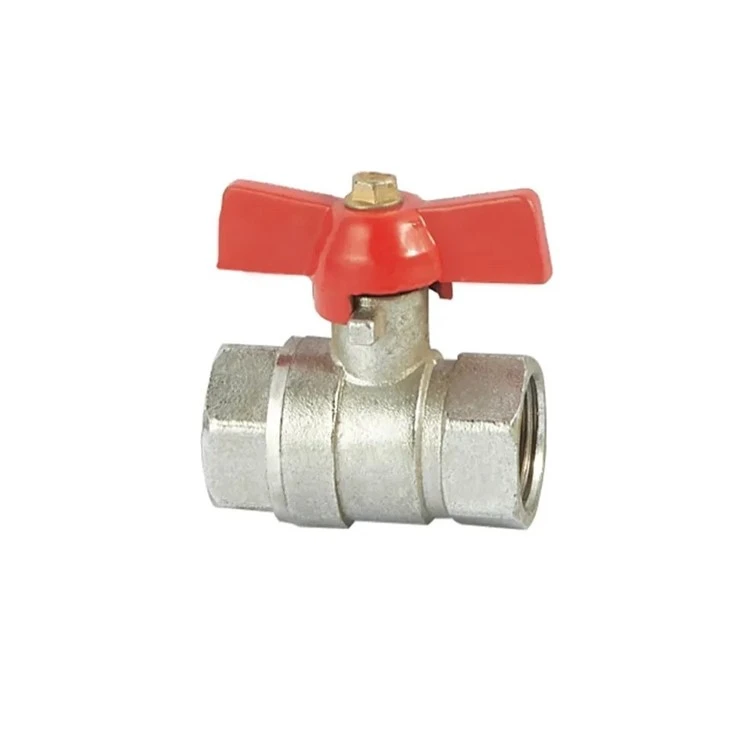
The materials used in the construction of the ball valve play a significant role in its anti - static performance. Conductive materials, such as metals, are generally better at dissipating static electricity compared to non - conductive materials like plastics. For example, brass is a commonly used material for ball valves due to its good electrical conductivity. Our Handle Brass Ball Valves are made of high - quality brass, which helps in effectively dissipating static charges.
On the other hand, some non - conductive materials can be treated to enhance their anti - static properties. For instance, certain plastics can be compounded with conductive fillers to make them more conductive.
Surface Finish
The surface finish of the ball valve also affects its anti - static performance. A smooth surface reduces the friction between the fluid and the valve, which in turn reduces the generation of static electricity. Rough surfaces can cause more turbulence in the fluid flow, leading to increased static charge generation. We ensure that our ball valves have a high - quality surface finish to minimize static electricity build - up.

Design Features
The design of the ball valve can also impact its anti - static performance. Valves with proper grounding mechanisms are more effective at dissipating static charges. For example, some ball valves are designed with grounding wires or contacts that connect the valve to the ground, allowing the static electricity to flow safely away.
Our 3/4 Inch Ball Valves and Anti - Static Performance
As a leading supplier of 3/4 Inch Ball Valves, we take the anti - static performance of our products very seriously. Our valves are designed and manufactured to meet the highest industry standards for anti - static protection.
We offer a wide range of ball valves made from different materials, each with its own advantages in terms of anti - static performance. Our Zinc Alloy Ball Valve is another great option. Zinc alloy has good electrical conductivity, which helps in preventing static charge build - up.
In addition to material selection, we also pay close attention to the surface finish and design of our valves. Our valves are precision - machined to ensure a smooth surface, and we incorporate grounding features in our designs to enhance their anti - static performance.
Moreover, we can also provide OEM Brass Ball Valve solutions. If you have specific requirements for anti - static performance, our experienced engineering team can work with you to develop customized valve solutions that meet your exact needs.
Testing and Certification
To ensure the anti - static performance of our 3/4 Inch Ball Valves, we conduct rigorous testing. Our testing procedures include measuring the electrical conductivity of the valve materials, simulating fluid flow conditions to check for static charge generation, and performing electrostatic discharge tests.
We also strive to obtain relevant certifications for our products. Certifications from recognized international standards organizations not only validate the anti - static performance of our valves but also give our customers confidence in the quality and safety of our products.
Conclusion
The anti - static performance of 3/4 Inch Ball Valves is a critical factor in many industrial applications. It helps to prevent fires, explosions, and damage to equipment, ensuring the safety and efficiency of the overall system. As a trusted supplier, we are committed to providing high - quality ball valves with excellent anti - static performance.
If you are in the market for 3/4 Inch Ball Valves with reliable anti - static properties, we invite you to contact us for a detailed discussion. Our team of experts is ready to assist you in selecting the right valve for your specific application and to answer any questions you may have. We look forward to the opportunity to work with you and contribute to the success of your projects.
References
- "Industrial Valves Handbook" - A comprehensive guide on the design, operation, and performance of industrial valves.
- "Electrostatic Hazards in the Chemical Industry" - A research paper that discusses the risks of static electricity in chemical processing and the importance of anti - static measures.
- "Standards for Anti - Static Equipment in the Oil and Gas Industry" - Industry - specific standards that outline the requirements for anti - static performance of equipment used in the oil and gas sector.