

Can an angle valve be used in a high - pressure system?
Jul 23, 2025
Can an angle valve be used in a high - pressure system?
As a seasoned supplier of angle valves, I often encounter inquiries from customers about the suitability of angle valves in high - pressure systems. This is a crucial question, as using the wrong valve in a high - pressure environment can lead to serious safety hazards and system failures. In this blog, I will delve into the factors that determine whether an angle valve can be used in a high - pressure system and provide some insights based on my years of experience in the industry.
Understanding Angle Valves
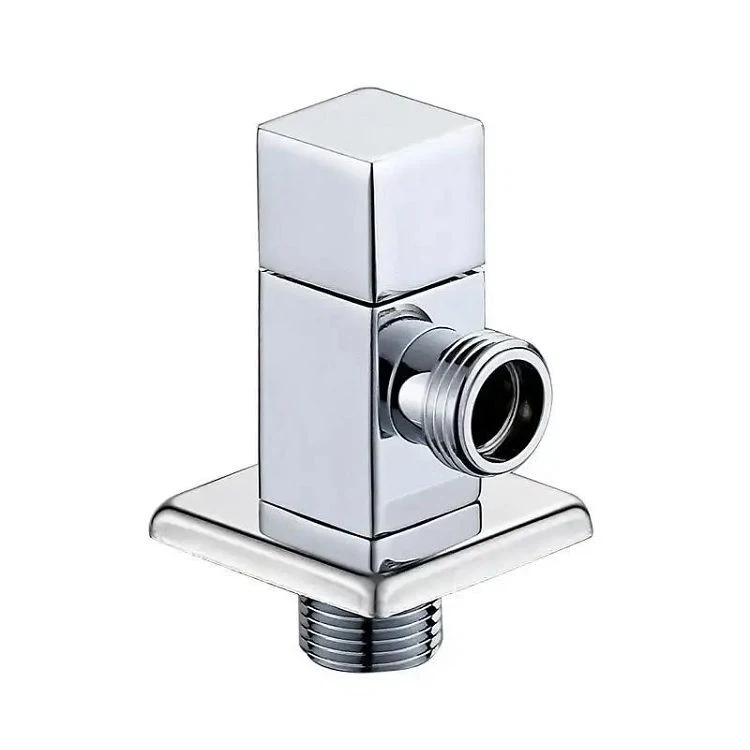
First, let's briefly understand what an angle valve is. An angle valve is a type of valve with an inlet and an outlet that are perpendicular to each other, forming an angle. They are commonly used in plumbing systems to control the flow of water, gas, or other fluids. Angle valves are known for their compact design, easy installation, and ability to provide a tight shut - off. They are widely used in residential, commercial, and industrial applications, such as in kitchens, bathrooms, and various fluid - handling systems.
Factors Affecting the Use of Angle Valves in High - Pressure Systems
Material
The material of an angle valve is one of the most important factors determining its suitability for high - pressure systems. Different materials have different strength and pressure - resistance capabilities. For example, brass is a common material for angle valves due to its good corrosion resistance and relatively high strength. However, in extremely high - pressure applications, brass may not be sufficient. Stainless steel, on the other hand, offers higher strength and better resistance to corrosion and high - pressure environments. At our company, we offer New Style Angle Valves made from high - quality stainless steel, which are designed to withstand high pressures and harsh operating conditions.
Design and Construction
The design and construction of an angle valve also play a crucial role in its ability to handle high pressures. A well - designed angle valve should have a sturdy body and a reliable sealing mechanism. For instance, the valve seat and stem should be properly machined to ensure a tight seal under high pressure. Some angle valves are designed with reinforced bodies and thick walls to increase their pressure - bearing capacity. Our 1/2/3/4 Inch Polished Zinc Alloy Angle Valve features a robust design and high - precision machining, making it suitable for a wide range of pressure applications.
Pressure Rating
Every angle valve has a specific pressure rating, which indicates the maximum pressure it can safely handle. It is essential to select an angle valve with a pressure rating that exceeds the maximum operating pressure of the system. For example, if a system operates at a maximum pressure of 100 psi, an angle valve with a pressure rating of at least 150 psi should be chosen to provide a safety margin. When selecting an angle valve for a high - pressure system, always check the product specifications to ensure that its pressure rating meets the requirements of the application.

Application Conditions
In addition to pressure, other application conditions such as temperature, fluid type, and flow rate also need to be considered. High - temperature fluids can cause the material of the angle valve to expand or lose its strength, while corrosive fluids can damage the valve over time. Therefore, it is important to choose an angle valve that is compatible with the specific application conditions. For example, in a high - temperature and high - pressure steam system, a special - purpose angle valve made from heat - resistant and corrosion - resistant materials should be used. Our OEM Kitchen Angle Valve is designed to meet the specific requirements of kitchen applications, including resistance to common kitchen chemicals and moderate pressures.
Advantages of Using Angle Valves in High - Pressure Systems
Despite the challenges, there are several advantages to using angle valves in high - pressure systems. Firstly, their compact design allows them to be installed in tight spaces, which is often a requirement in high - pressure piping systems. Secondly, angle valves provide a quick and easy way to control the flow of fluids, which is essential for maintaining system safety and efficiency. Thirdly, they can be easily replaced or repaired in case of a malfunction, minimizing downtime and maintenance costs.
Limitations of Using Angle Valves in High - Pressure Systems
However, angle valves also have some limitations in high - pressure systems. One of the main limitations is their relatively small flow capacity compared to other types of valves, such as gate valves or ball valves. In high - flow and high - pressure applications, an angle valve may cause a significant pressure drop, which can affect the performance of the system. Additionally, the sealing mechanism of an angle valve may be more prone to wear and tear under high - pressure conditions, requiring more frequent maintenance and replacement.
Conclusion
In conclusion, an angle valve can be used in a high - pressure system, but it is essential to carefully consider the factors mentioned above. By choosing the right material, design, and pressure rating, and taking into account the application conditions, an angle valve can provide reliable and safe operation in high - pressure environments. As a leading supplier of angle valves, we are committed to providing our customers with high - quality products that meet their specific needs. If you are looking for angle valves for your high - pressure system, please feel free to contact us for more information and to discuss your requirements. We are here to help you make the best choice for your application.
References
- ASME B16.34 - Valves - Flanged, Threaded, and Welding End
- API 602 - Compact Steel Gate Valves
- ISO 5208 - Industrial valves - Pressure testing of valves