

What types of water ball valves are suitable for the chemical industry?
Nov 14, 2025
In the chemical industry, the selection of water ball valves is a critical decision that can significantly impact the efficiency, safety, and longevity of industrial processes. As a trusted water ball valve supplier, I understand the diverse needs of the chemical sector and the importance of choosing the right valve for each application. In this blog post, I will explore the types of water ball valves that are most suitable for the chemical industry, taking into account factors such as chemical compatibility, pressure ratings, and operational requirements.
Understanding the Chemical Industry's Valve Requirements
The chemical industry deals with a wide range of corrosive, abrasive, and high-temperature substances. These harsh conditions demand valves that can withstand chemical attack, resist wear and tear, and maintain a tight seal under high pressure. Additionally, valves in the chemical industry must be able to handle a variety of flow rates and be compatible with different piping systems.
Types of Water Ball Valves for the Chemical Industry
1. Brass Ball Valves
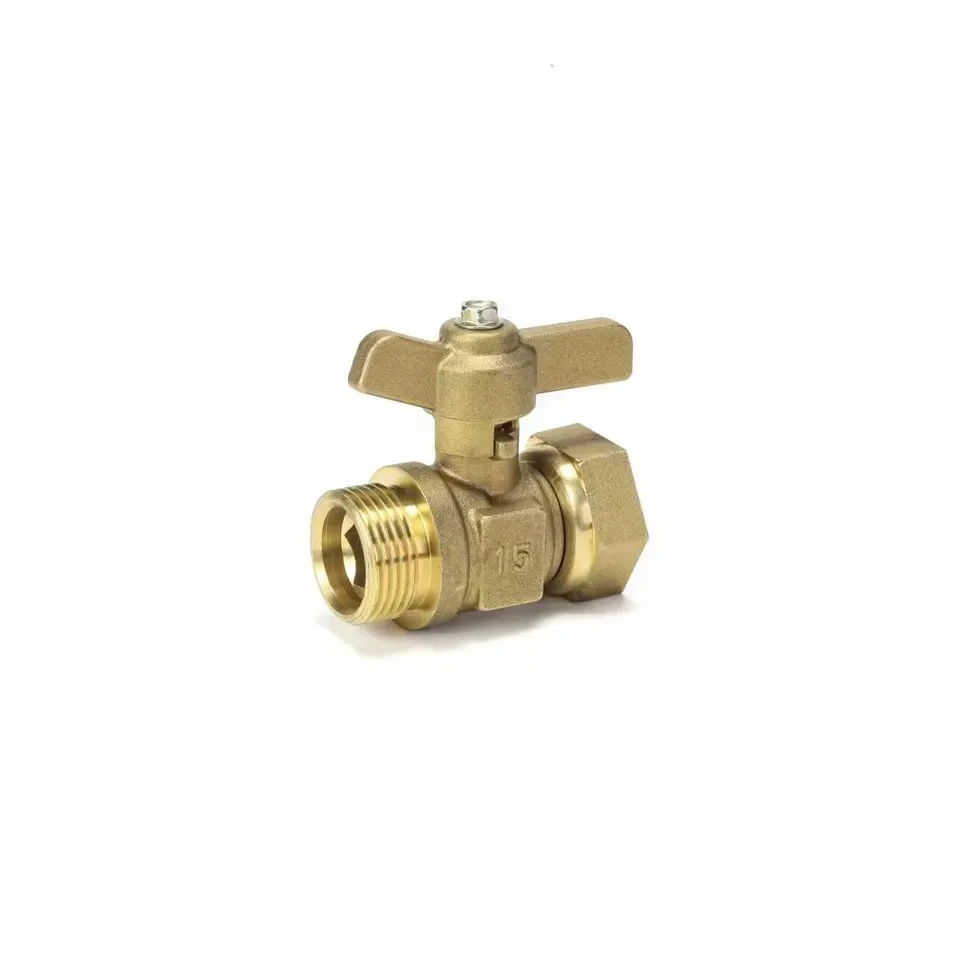
Brass ball valves are a popular choice in the chemical industry due to their excellent corrosion resistance and durability. Brass is an alloy of copper and zinc, which provides a good balance of strength and corrosion resistance. These valves are suitable for a wide range of chemical applications, including water treatment, chemical processing, and food and beverage production.
Brass ball valves are available in various sizes and configurations, making them versatile for different piping systems. They are also relatively easy to install and maintain, which reduces downtime and maintenance costs. For high-quality brass ball valves that meet the stringent requirements of the chemical industry, you can visit High Quality Brass Ball Valve.
2. Copper Ball Valves
Copper ball valves are another excellent option for the chemical industry. Copper is known for its high thermal conductivity, corrosion resistance, and antimicrobial properties. These valves are particularly suitable for applications where the fluid being handled is water or a mild chemical solution.
Copper ball valves are often used in plumbing systems, HVAC systems, and small-scale chemical processing plants. They are available in both threaded and soldered connections, providing flexibility in installation. If you are looking for reliable copper ball valves, check out Copper Ball Valve.
3. Stainless Steel Ball Valves
Stainless steel ball valves are widely used in the chemical industry due to their superior corrosion resistance and high strength. Stainless steel is an alloy that contains chromium, which forms a protective oxide layer on the surface of the valve, preventing corrosion and rust. These valves are suitable for handling highly corrosive chemicals, such as acids, alkalis, and solvents.
Stainless steel ball valves are available in different grades, such as 304, 316, and 316L, each with its own unique properties and applications. They can withstand high pressures and temperatures, making them ideal for demanding chemical processes. These valves are also resistant to pitting and crevice corrosion, ensuring long-term reliability.
4. PVC Ball Valves
PVC (polyvinyl chloride) ball valves are a cost-effective option for the chemical industry, especially for applications where the fluid being handled is non-corrosive or mildly corrosive. PVC is a lightweight and durable plastic material that is resistant to many chemicals, including acids, alkalis, and salts.

PVC ball valves are easy to install and maintain, and they are available in a variety of sizes and configurations. They are commonly used in water treatment plants, irrigation systems, and low-pressure chemical processing applications. However, it is important to note that PVC ball valves have limitations in terms of temperature and pressure ratings, so they may not be suitable for high-temperature or high-pressure applications.
5. Gas Ball Valves
Gas ball valves are specifically designed for applications involving the control of gases. In the chemical industry, these valves are used in gas pipelines, gas storage systems, and gas processing plants. Gas ball valves must be able to handle high pressures and provide a tight seal to prevent gas leakage.
Gas Ball Valves 1/2 Inch are a common size used in many gas applications. They are available in different materials, such as brass, stainless steel, and PVC, depending on the specific requirements of the application. Gas ball valves are typically equipped with a locking mechanism to prevent accidental opening or closing, ensuring the safety of the system.
Factors to Consider When Selecting Water Ball Valves for the Chemical Industry
1. Chemical Compatibility
The most important factor to consider when selecting a water ball valve for the chemical industry is chemical compatibility. The valve material must be able to withstand the corrosive effects of the chemicals being handled. It is essential to consult the chemical compatibility chart provided by the valve manufacturer to ensure that the valve is suitable for the specific chemical application.
2. Pressure and Temperature Ratings
The pressure and temperature ratings of the valve must be compatible with the operating conditions of the chemical process. High-pressure applications require valves with higher pressure ratings, while high-temperature applications require valves that can withstand elevated temperatures without losing their integrity.
3. Flow Rate
The flow rate of the fluid being handled is another important consideration. The valve must be able to handle the required flow rate without causing excessive pressure drop or flow restriction. It is important to select a valve with the appropriate size and flow coefficient (Cv) to ensure efficient operation.
4. Valve Design and Configuration
The design and configuration of the valve can also affect its performance in the chemical industry. For example, a full-port ball valve provides a larger flow path, which reduces pressure drop and allows for higher flow rates. On the other hand, a reduced-port ball valve may be more suitable for applications where space is limited.
5. Maintenance and Serviceability
Regular maintenance is essential to ensure the long-term performance and reliability of water ball valves in the chemical industry. It is important to select a valve that is easy to maintain and service, with readily available replacement parts. Valves with a simple design and fewer moving parts are generally easier to maintain.
Conclusion
Selecting the right water ball valve for the chemical industry is crucial for ensuring the safety, efficiency, and reliability of industrial processes. By considering factors such as chemical compatibility, pressure and temperature ratings, flow rate, valve design, and maintenance requirements, you can choose the most suitable valve for your specific application.
As a water ball valve supplier, I am committed to providing high-quality valves that meet the stringent requirements of the chemical industry. Whether you need brass ball valves, copper ball valves, stainless steel ball valves, PVC ball valves, or gas ball valves, I can offer you a wide range of options to choose from.
If you are interested in learning more about our water ball valves or would like to discuss your specific requirements, please feel free to contact us. Our team of experts is ready to assist you in selecting the right valve for your chemical application and to provide you with the best possible solution.
References
- Perry, R. H., & Green, D. W. (Eds.). (1997). Perry's Chemical Engineers' Handbook (7th ed.). McGraw-Hill.
- Valve Manufacturers Association of America. (2019). Valve Selection Guide.
- ASME B16.34 - 2017. Valves - Flanged, Threaded, and Welding End.