

What materials are used to make Ball Valve Brass?
Oct 31, 2025
Hey there! As a supplier of Ball Valve Brass, I often get asked about the materials used to make these nifty little devices. So, I thought I'd take a few minutes to break it down for you.
First off, let's talk about brass itself. Brass is an alloy, which means it's made up of two or more metals. In the case of brass, it's primarily copper and zinc. The exact ratio of copper to zinc can vary, and this variation can have a big impact on the properties of the brass.
Copper is a great base metal for ball valves. It's highly malleable, which means it can be easily shaped into the intricate parts that make up a ball valve. It's also a good conductor of heat and electricity, although these properties aren't really relevant when it comes to ball valves. One of the most important characteristics of copper is its corrosion resistance. This is crucial because ball valves are often used in environments where they'll be exposed to water, chemicals, or other corrosive substances.
Zinc, on the other hand, adds strength and hardness to the brass. It also helps to improve the casting properties of the alloy, making it easier to manufacture the ball valves. When you have the right balance of copper and zinc, you get a brass that's strong, durable, and easy to work with.
Now, in addition to copper and zinc, there are often other elements added to the brass to enhance its properties. For example, lead is sometimes added in small amounts. Lead improves the machinability of the brass, which means it's easier to cut, drill, and shape the material during the manufacturing process. However, the use of lead in drinking water applications is restricted in many countries due to health concerns. So, for ball valves that will be used in potable water systems, lead-free brass is typically used.
Another element that might be added is tin. Tin can improve the corrosion resistance of the brass, especially in marine environments. It also helps to increase the hardness and strength of the alloy.

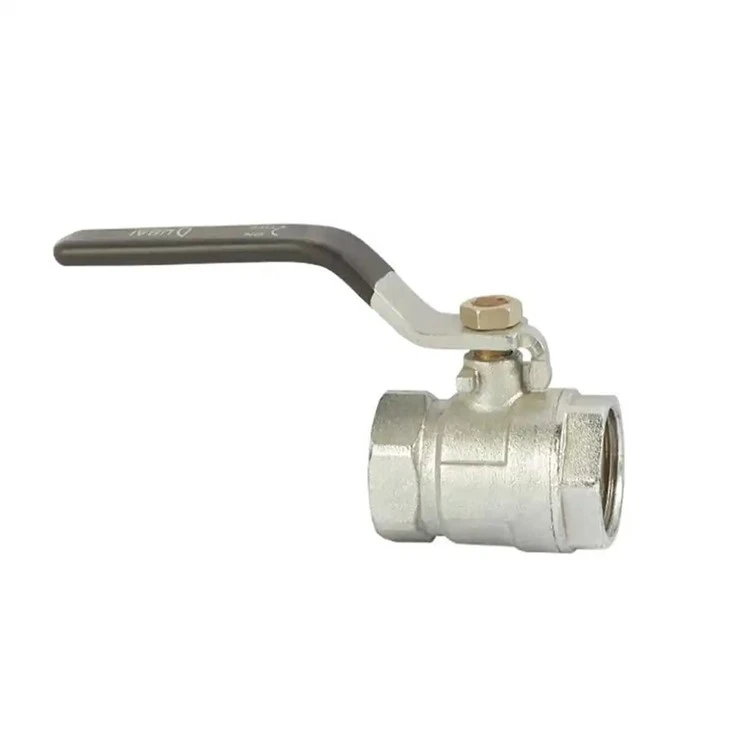
Some brass ball valves may also have a coating or plating on the surface. This can further enhance the corrosion resistance and improve the appearance of the valve. One common coating is nickel plating. Nickel provides a hard, shiny surface that's resistant to wear and corrosion. It also gives the valve a more professional look.
Now, let's talk about the different types of ball valves we offer as a supplier. We have a wide range of options to meet the needs of various applications. For instance, we have the High Quality 1/2 Ball Valve. This valve is made from high - quality brass and is perfect for small - scale plumbing applications. It's reliable, easy to install, and offers excellent performance.
If you're in the market for a ball valve for gas applications, we have the OEM Brass Gas Ball Valve. These valves are designed to meet the strict safety standards for gas systems. They're made with precision to ensure a tight seal and prevent any gas leaks.
And for more heavy - duty applications, we offer the Welding Ball Valve. These valves are built to last and can withstand high pressures and temperatures. They're commonly used in industrial settings where a reliable and durable valve is essential.
When it comes to choosing the right ball valve for your project, it's important to consider the application, the operating conditions, and the regulatory requirements. For example, if you're using the valve in a high - temperature environment, you'll need a valve that can handle the heat. If it's for a drinking water system, you'll need to make sure it's made from lead - free brass.
As a supplier, we're committed to providing high - quality ball valves that meet the highest standards. We work closely with our customers to understand their needs and recommend the best solutions. Whether you're a contractor, a plumber, or an industrial user, we have the expertise and the products to help you get the job done right.
If you're interested in purchasing our Ball Valve Brass products, we'd love to hear from you. Just reach out to us, and we can start a conversation about your requirements. We can provide you with detailed product information, pricing, and delivery options. We're here to make the procurement process as smooth and hassle - free as possible.
So, don't hesitate to get in touch if you have any questions or if you're ready to place an order. We look forward to working with you and helping you find the perfect ball valve for your project.
References
- ASM Handbook Committee. (2001). ASM Handbook Volume 2: Properties and Selection: Nonferrous Alloys and Special - Purpose Materials. ASM International.
- Metals Handbook Committee. (1990). Metals Handbook Desk Edition. ASM International.