

What materials are copper ball valves made of?
Dec 29, 2025
Yo, what's up! I'm a supplier of copper ball valves, and today I wanna chat with you about what materials these copper ball valves are made of. It's super important to know this stuff, whether you're in the plumbing industry or just a DIY enthusiast looking to fix up your home.
Copper - The Star Material
First off, as the name suggests, copper is a key ingredient in copper ball valves. Copper is a metal that's been used for ages in plumbing for a bunch of good reasons. It's highly resistant to corrosion, which means it can last a long time in harsh water conditions. Whether it's fresh water in your home pipes or a bit more aggressive industrial water, copper can handle it.
Copper also has great thermal conductivity. This is important in applications where you might need to control the flow of hot water. For example, in a hot water heating system, a copper ball valve can quickly adjust the temperature of the water being circulated because it transfers heat efficiently.
Another benefit of copper is its malleability. It can be easily shaped into the various components of a ball valve, like the valve body and the ball itself. This allows for precise manufacturing, ensuring that the valve operates smoothly and seals properly. The ball inside the valve needs to fit just right to control the flow of fluid effectively, and copper's malleability makes that possible.
Brass - A Close Cousin
Brass is also commonly used in the making of copper ball valves. Brass is an alloy of copper and zinc. The addition of zinc gives brass some unique properties. It's stronger than pure copper, which means brass ball valves can withstand higher pressures. This makes them suitable for applications where there's a lot of force behind the fluid flow, like in industrial pipelines.
Brass is also more resistant to dezincification compared to some other copper alloys. Dezincification is a process where zinc is leached out of the brass, which can weaken the material over time. But modern brass alloys used in ball valve manufacturing are designed to minimize this issue.
If you're interested in brass ball valves, we have some great options. Check out our Brass Ball Water Valve. It's a high - quality valve that can handle water flow in a variety of settings, from residential to commercial.
Zinc Alloy - A Versatile Option
Zinc alloy is another material that you might find in copper ball valves, especially in smaller, more cost - effective models. Zinc alloy is a combination of zinc with other metals like aluminum, copper, and magnesium. It has good casting properties, which means it can be made into complex shapes easily during the manufacturing process.
One of the great things about zinc alloy ball valves is their low cost. They're a budget - friendly option for applications where you don't need the high - end performance of pure copper or brass valves. However, they might not be as durable as their copper and brass counterparts, especially in high - pressure or corrosive environments.
We offer a 1/2 Inch Zinc Alloy Ball Valve Brass Ball Valve. It's a popular choice for home plumbing projects where you need a reliable valve without breaking the bank.
Other Materials in the Mix
Apart from the main materials, there are also some other components in copper ball valves. For example, the seals inside the valve are usually made of rubber or a synthetic rubber material like EPDM (Ethylene Propylene Diene Monomer). These seals are crucial for preventing leaks. They need to be flexible enough to create a tight seal when the valve is closed but also resistant to the chemicals in the fluid being controlled.
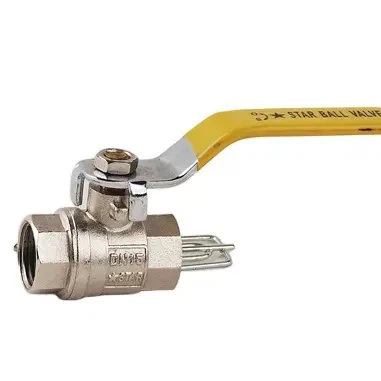
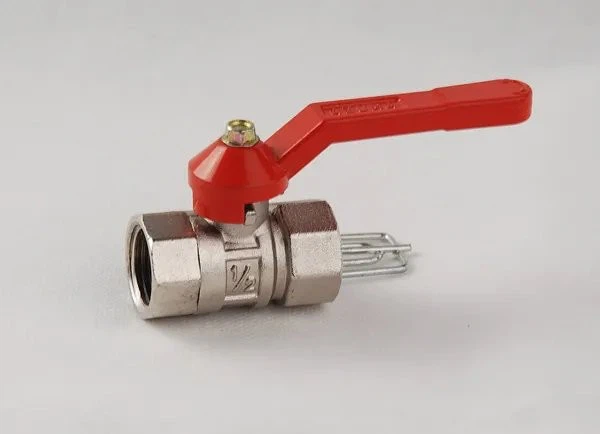
The handles of the ball valves can be made of different materials too. Some are made of plastic, which is lightweight and easy to operate. Others are made of metal for a more durable and heavy - duty feel.
Choosing the Right Material
When it comes to choosing the right material for your copper ball valve, there are a few things to consider. First, think about the application. If you're using the valve in a residential plumbing system, a brass or copper valve might be a good choice. They're durable and can handle normal water pressures and temperatures.
For industrial applications, where the pressures are higher and the fluids might be more corrosive, you might want to go for a high - quality brass or a specialized copper alloy valve. These can stand up to the tough conditions and ensure long - term reliability.
If you're on a tight budget, a zinc alloy valve could be a viable option for less demanding applications. Just make sure you understand its limitations in terms of durability.
Our Product Range
We take pride in offering a wide range of copper ball valves made from different materials to suit various needs. Our Water Brass Ball Valve is a top - seller. It's designed for water flow control in both residential and commercial settings. The brass construction ensures durability and resistance to corrosion, while the smooth - operating ball mechanism allows for easy adjustment of the water flow.
Let's Connect
If you're in the market for copper ball valves, we'd love to hear from you. Whether you have questions about the materials, need help choosing the right valve for your project, or are ready to place an order, we're here to assist. Don't hesitate to reach out and start a conversation about your specific requirements. Our team of experts is on standby to provide you with all the information you need to make an informed decision.
References
- "Handbook of Valves and Actuators" by various experts in the field.
- Industry research papers on plumbing materials and valve manufacturing.