

What is the weight of a control ball valve?
Jun 26, 2025
Hey there! As a supplier of Control Ball Valves, I often get asked about the weight of these valves. It might seem like a simple question, but there's actually a lot more to it than you'd think.
First off, let's talk about what a control ball valve is. A control ball valve is a type of valve that uses a ball with a hole in it to control the flow of fluid. When the ball is turned so that the hole aligns with the flow path, the fluid can pass through. When the ball is turned 90 degrees, the flow is blocked. These valves are commonly used in a variety of industries, including oil and gas, water treatment, and manufacturing.
Now, onto the weight. The weight of a control ball valve can vary significantly depending on several factors. One of the main factors is the size of the valve. Larger valves generally weigh more than smaller ones. For example, a small Control Ball Valve with a diameter of 1/2 inch might weigh only a few ounces, while a large valve with a diameter of 12 inches or more could weigh several hundred pounds.
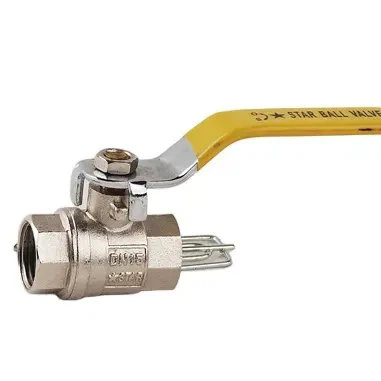
The material the valve is made from also plays a big role in its weight. Control ball valves can be made from a variety of materials, including brass, stainless steel, and cast iron. Brass is a relatively lightweight material, so Water Brass Ball Valve made from brass tend to be lighter than those made from other materials. Stainless steel is a bit heavier but offers better corrosion resistance, making it a popular choice for applications where the valve will be exposed to harsh chemicals or environments. Cast iron is the heaviest of the three but is also very strong and durable, making it suitable for high-pressure applications.
Another factor that can affect the weight of a control ball valve is the design of the valve. Some valves have additional features or components that can add to their weight. For example, a valve with a built-in actuator or a special sealing mechanism might weigh more than a basic valve.
So, why does the weight of a control ball valve matter? Well, there are a few reasons. First of all, the weight can affect the installation process. Heavier valves might require more equipment and manpower to install, which can increase the cost and time of the installation. Additionally, the weight can also impact the performance of the valve. In some applications, a heavier valve might be more stable and less likely to vibrate or move, which can improve its reliability and lifespan.
On the other hand, in some situations, a lighter valve might be preferred. For example, in applications where weight is a critical factor, such as in aerospace or marine industries, a lighter valve can help reduce the overall weight of the system, which can improve fuel efficiency and performance.
If you're in the market for a control ball valve, it's important to consider the weight along with other factors such as size, material, and design. You'll want to choose a valve that is the right weight for your specific application. And if you have any questions about the weight or other aspects of our Control Ball Valve, don't hesitate to reach out to us.
We're here to help you find the perfect valve for your needs. Whether you're looking for a small Water Ball Valve for a residential plumbing project or a large control ball valve for an industrial application, we've got you covered.
So, if you're interested in learning more about our control ball valves or have any questions about the weight or other features, just drop us a line. We're always happy to have a chat and help you make the right decision.
In conclusion, the weight of a control ball valve is an important factor to consider when choosing a valve for your application. It can vary depending on size, material, and design, and can have an impact on the installation process and performance of the valve. If you're in the market for a control ball valve, give us a shout, and we'll work with you to find the best solution for your needs.
References

- Valve Handbook, Various Industry Publications
- Material Science and Engineering References for valve materials