

What is the valve stem material of brass ball valves?
Nov 28, 2025
As a supplier of brass ball valves, I often encounter questions from customers regarding the materials used in different components of these valves. One such frequently asked question is about the valve stem material of brass ball valves. In this blog post, I will delve into the details of the valve stem material, its properties, and why it matters in the performance of brass ball valves.
Understanding the Role of the Valve Stem
Before we discuss the material, it's essential to understand the function of the valve stem in a brass ball valve. The valve stem is a critical component that connects the actuator (such as a handle or a gearbox) to the ball inside the valve. Its primary role is to transfer the rotational motion from the actuator to the ball, allowing the valve to open or close. This movement controls the flow of fluid or gas through the valve. A well - designed and appropriately made valve stem ensures smooth operation, reliable sealing, and long - term durability of the brass ball valve.
Common Valve Stem Materials for Brass Ball Valves
Brass
Brass is a popular choice for valve stems in brass ball valves, and it's not hard to see why. Brass is an alloy composed mainly of copper and zinc, with varying proportions of other elements such as lead, tin, and aluminum.
One of the key advantages of using brass for valve stems is its excellent corrosion resistance. In many applications, brass ball valves are exposed to various fluids, including water, chemicals, and gases. Brass can withstand the corrosive effects of these substances, ensuring that the valve stem remains functional over an extended period.
Brass also has good machinability. This means that it can be easily shaped and formed into the required dimensions for the valve stem. Manufacturers can produce precise valve stems with tight tolerances, which is crucial for proper valve operation. The smooth surface finish that can be achieved during machining also helps in reducing friction between the stem and other components, such as the packing and the ball.
Another benefit of brass is its relatively high strength. It can withstand the mechanical stresses associated with the opening and closing of the valve, as well as the pressure exerted by the fluid or gas inside the valve. This strength ensures that the valve stem does not deform or break under normal operating conditions.
Stainless Steel
Stainless steel is another material commonly used for valve stems in brass ball valves, especially in more demanding applications. Stainless steel is an alloy of iron, chromium, and other elements, which gives it exceptional corrosion resistance.
In applications where the brass ball valve is exposed to highly corrosive environments, such as in chemical processing plants or marine applications, stainless steel valve stems are often preferred. The chromium in stainless steel forms a thin, passive oxide layer on the surface, which protects the metal from further corrosion. This layer is self - healing, meaning that if it is damaged, it can reform under the right conditions.
Stainless steel also has high strength and hardness. It can withstand higher pressures and more severe mechanical stresses compared to brass. This makes it suitable for applications where the valve is subject to frequent operation or high - pressure environments.
However, stainless steel is generally more expensive than brass. The cost factor may limit its use in some applications where the corrosion risk is relatively low and brass can provide adequate performance.
Factors Influencing the Choice of Valve Stem Material
Application Environment
The environment in which the brass ball valve will be used is a crucial factor in determining the valve stem material. For example, in a domestic water supply system, where the water is relatively clean and the corrosion risk is low, a brass valve stem may be sufficient. On the other hand, in an industrial application where the valve is exposed to aggressive chemicals or high - salinity water, a stainless steel valve stem would be a better choice.
Fluid or Gas Type
The type of fluid or gas flowing through the valve also affects the material selection. Some fluids, such as acids or alkalis, can be highly corrosive to certain materials. For instance, brass may not be suitable for applications involving strong acids, as it can react with the acid and corrode quickly. In such cases, stainless steel or other corrosion - resistant materials should be used.
Pressure and Temperature
The operating pressure and temperature of the system are important considerations. Higher pressures and temperatures require materials with greater strength and heat resistance. Stainless steel is generally better able to withstand high - pressure and high - temperature conditions compared to brass. If the valve is used in a high - pressure steam system, for example, a stainless steel valve stem would be more appropriate.
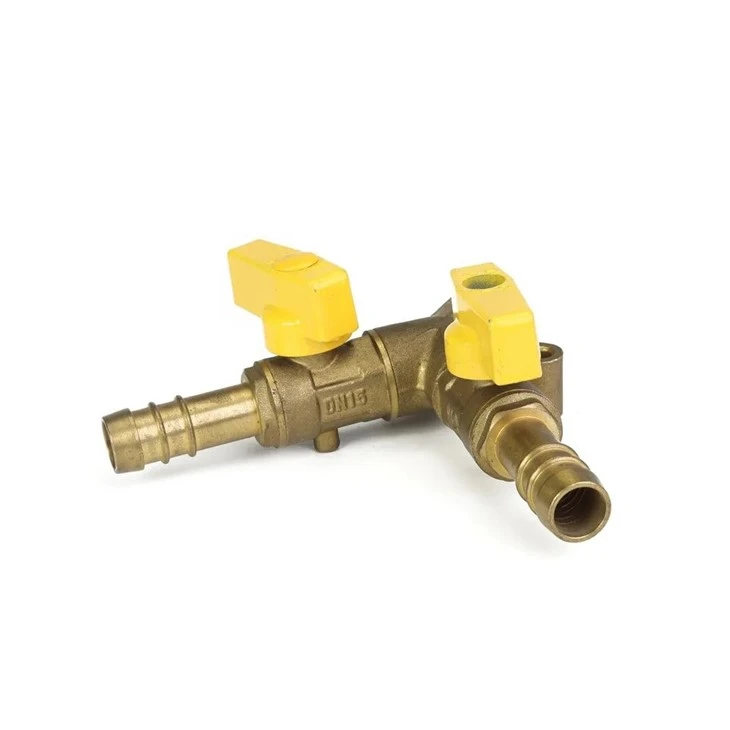

Importance of Choosing the Right Valve Stem Material
Selecting the correct valve stem material is crucial for the overall performance and longevity of the brass ball valve. A valve stem made from an inappropriate material can lead to several problems.
If the valve stem does not have adequate corrosion resistance, it can corrode over time. Corrosion can cause the stem to weaken, leading to leaks or even valve failure. A corroded stem may also become stuck, making it difficult or impossible to open or close the valve.
In addition, if the valve stem does not have sufficient strength, it may deform or break under the mechanical stresses of operation. This can result in a loss of control over the fluid or gas flow, which can be dangerous in some applications, such as in a gas pipeline or a chemical processing system.
Our Product Range and Material Options
As a supplier of brass ball valves, we offer a wide range of products with different valve stem materials to meet the diverse needs of our customers. Our Yuhuan Ball Valve series is available with both brass and stainless steel valve stems, allowing customers to choose the option that best suits their application requirements.
We also have the 1/2 Inch Zinc Alloy Ball Valve, which is a popular choice for many small - scale applications. These valves come with carefully selected valve stem materials to ensure reliable performance.
For applications involving gas, our Ball Valve For Gas is designed with high - quality valve stems to meet the strict safety and performance standards. Whether you need a brass or stainless steel valve stem for your gas valve, we can provide the right solution.
Conclusion
The valve stem material of brass ball valves plays a vital role in the valve's performance, reliability, and longevity. Brass and stainless steel are the two most common materials used for valve stems, each with its own advantages and suitable applications. When choosing a brass ball valve, it is essential to consider the application environment, the type of fluid or gas, and the operating pressure and temperature to select the appropriate valve stem material.
If you are in the market for brass ball valves and have questions about the valve stem material or any other aspect of our products, we encourage you to contact us for a detailed discussion. Our team of experts is ready to assist you in finding the best valve solution for your specific needs. We look forward to the opportunity to work with you and provide high - quality brass ball valves that meet your requirements.
References
- ASM Handbook, Volume 1: Properties and Selection: Irons, Steels, and High - Performance Alloys
- Valve Handbook, 4th Edition by Robert W. McKetta
- Corrosion Basics: An Introduction by Bruce D. Craig