

What is the torque required to operate a 3/4 Inch Ball Valve?
Dec 04, 2025
Torque is a critical factor when it comes to operating a 3/4 inch ball valve. As a trusted supplier of 3/4 inch ball valves, I understand the importance of providing accurate information about the torque requirements for these essential components. In this blog post, I will delve into what torque is, the factors that influence the torque required to operate a 3/4 inch ball valve, and how understanding these aspects can help you make the right choice for your applications.
What is Torque?
Torque, in simple terms, is a measure of the force that can cause an object to rotate around an axis. In the context of a ball valve, it refers to the amount of force needed to turn the valve handle or actuator to open or close the valve. Torque is typically measured in units such as inch - pounds (in - lb) or Newton - meters (N - m).

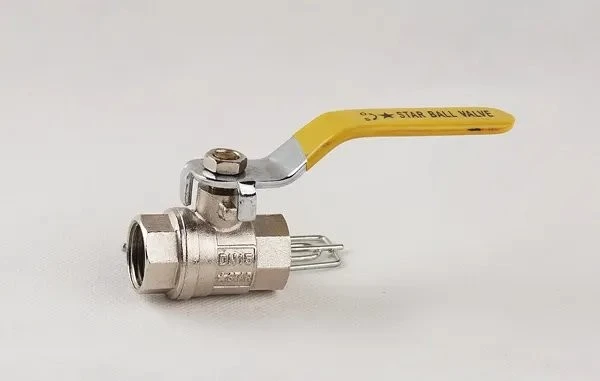
Factors Influencing the Torque Required to Operate a 3/4 Inch Ball Valve
1. Valve Design
The design of the ball valve plays a significant role in determining the torque requirements. There are different types of ball valve designs, such as floating ball valves and trunnion - mounted ball valves.
- Floating Ball Valves: In a floating ball valve, the ball is not fixed and is held in place by the valve seats. When the valve is closed, the pressure of the fluid in the pipeline forces the ball against the downstream seat, creating a tight seal. This design generally requires a relatively higher torque to operate, especially when the valve is under high pressure.
- Trunnion - Mounted Ball Valves: Trunnion - mounted ball valves have a fixed ball supported by trunnions at the top and bottom. The trunnions help to reduce the load on the seats, which in turn reduces the torque required to operate the valve. These valves are often used in high - pressure applications where lower torque operation is desired.
2. Seat Material
The material of the valve seats also affects the torque requirements. Different seat materials have different friction coefficients.
- Soft Seats: Soft seat materials, such as PTFE (Polytetrafluoroethylene), offer low friction and good sealing properties. Valves with soft seats generally require less torque to operate compared to those with hard seats. Soft seats are commonly used in applications where low - torque operation and tight shut - off are required, such as in Kitchen Ball Valve applications.
- Hard Seats: Hard seat materials, like metal, are more resistant to wear and erosion. However, they have a higher friction coefficient, which means that more torque is needed to operate the valve. Hard - seated ball valves are often used in high - temperature and high - pressure applications where durability is crucial.
3. Pressure Differential
The pressure differential across the valve is another important factor. When there is a significant difference in pressure between the upstream and downstream sides of the valve, more force is required to move the ball and overcome the pressure - induced forces. For example, in a pipeline with high - pressure fluid on one side and low - pressure on the other, the valve may require a higher torque to open or close.
4. Fluid Viscosity
The viscosity of the fluid flowing through the valve can also impact the torque requirements. High - viscosity fluids, such as oils or syrups, create more resistance to the movement of the ball, which may increase the torque needed to operate the valve. In contrast, low - viscosity fluids, like water, offer less resistance and generally require less torque.
Calculating the Torque for a 3/4 Inch Ball Valve
Calculating the exact torque required to operate a 3/4 inch ball valve can be complex, as it depends on multiple factors. However, valve manufacturers often provide torque data based on standard test conditions. These data can serve as a starting point for estimating the torque requirements in your specific application.
In general, the torque required to operate a ball valve can be estimated using the following steps:
- Determine the Basic Torque: Refer to the manufacturer's torque chart for the specific 3/4 inch ball valve model. This chart usually provides the basic torque values under standard conditions, such as a specific pressure and temperature.
- Account for Pressure Differential: If the pressure differential in your application is different from the standard conditions, you may need to adjust the torque value. A higher pressure differential typically requires a higher torque.
- Consider Fluid Viscosity and Other Factors: If the fluid viscosity is high or there are other special conditions in your application, you may need to consult with the valve manufacturer or an engineering expert to make further adjustments to the torque estimate.
Importance of Correct Torque in Ball Valve Operation
Using the correct torque to operate a 3/4 inch ball valve is crucial for several reasons:
1. Proper Sealing
If the torque is too low, the valve may not close tightly, leading to leakage. On the other hand, if the torque is too high, it can damage the valve seats or other components, also resulting in leakage over time.
2. Valve Longevity
Applying the correct torque helps to ensure the longevity of the valve. Excessive torque can cause premature wear and tear on the valve components, reducing its service life.
3. Safety
In some applications, such as in Zinc Copper Gas Ball Valve systems, proper valve operation is essential for safety. Incorrect torque can lead to valve failure, which may result in gas leaks or other hazardous situations.
Our 3/4 Inch Ball Valve Offerings
As a supplier of 3/4 inch ball valves, we offer a wide range of products to meet different application requirements. Our valves are available in various designs, seat materials, and pressure ratings.
- Floating Ball Valves: Our floating ball valves are designed for applications where a tight seal is required. They are available with different seat materials, including soft PTFE seats for low - torque operation and hard metal seats for high - temperature and high - pressure applications.
- Trunnion - Mounted Ball Valves: For high - pressure applications, our trunnion - mounted ball valves offer reliable performance with lower torque requirements. These valves are suitable for use in pipelines with large pressure differentials.
- Specialty Ball Valves: We also offer specialty ball valves, such as Quick Open Mini Zinc Alloy Ball Valve, which are designed for specific applications where space is limited or quick operation is required.
Conclusion
Understanding the torque required to operate a 3/4 inch ball valve is essential for ensuring proper valve operation, longevity, and safety. By considering factors such as valve design, seat material, pressure differential, and fluid viscosity, you can make an informed decision when selecting a ball valve for your application.
If you are in the market for a 3/4 inch ball valve and need assistance in determining the right valve and understanding the torque requirements, we are here to help. Our team of experts can provide you with detailed information and guidance to ensure that you choose the best valve for your needs. Contact us today to start a discussion about your ball valve requirements and explore our wide range of products.
References
- Valve Handbook, Valve Manufacturers Association
- Fluid Mechanics and Hydraulics textbooks for understanding fluid - related factors affecting torque.