

What is the installation orientation requirement for a 3/4 Inch Ball Valve?
Dec 26, 2025
Hey there! As a supplier of 3/4 Inch Ball Valves, I often get asked about the installation orientation requirements for these valves. It's a crucial topic because getting the orientation right can make a huge difference in the valve's performance and lifespan. So, let's dive right in and explore what you need to know.
First off, let's understand what a 3/4 Inch Ball Valve is. It's a type of valve that uses a ball with a hole in the middle to control the flow of fluid through a pipe. When the ball is turned so that the hole aligns with the pipe, fluid can flow freely. When the ball is turned 90 degrees, the solid part of the ball blocks the pipe, stopping the flow. Simple, right?
Now, the installation orientation of a 3/4 Inch Ball Valve isn't as straightforward as you might think. There are a few key factors to consider, and these can vary depending on the specific application and the type of fluid being controlled.
Horizontal Installation
One of the most common installation orientations is horizontal. In a horizontal installation, the valve is placed so that the stem (the part you turn to open and close the valve) is perpendicular to the ground. This is often the preferred orientation for many applications, especially in residential and commercial plumbing systems.
The main advantage of horizontal installation is that it's relatively easy to access and operate the valve. You can easily reach the stem to turn it on or off, and it's also easier to visually inspect the valve for any signs of damage or wear. Additionally, horizontal installation helps to prevent air pockets from forming inside the valve, which can cause problems with the valve's operation.
However, there are a few things to keep in mind when installing a 3/4 Inch Ball Valve horizontally. First, make sure that the valve is properly supported to prevent any sagging or bending of the pipe. This can be done using pipe brackets or hangers. Second, ensure that the valve is installed in a location where it won't be exposed to excessive heat or cold, as this can affect the performance of the valve.
Vertical Installation
Vertical installation is another option for 3/4 Inch Ball Valves. In a vertical installation, the valve is placed so that the stem is parallel to the ground. This orientation is often used in applications where space is limited or where the valve needs to be installed in a tight spot.
One of the advantages of vertical installation is that it can help to prevent water hammer, which is a sudden increase in pressure that can occur when a valve is closed quickly. By installing the valve vertically, the water can flow more smoothly through the valve, reducing the risk of water hammer.

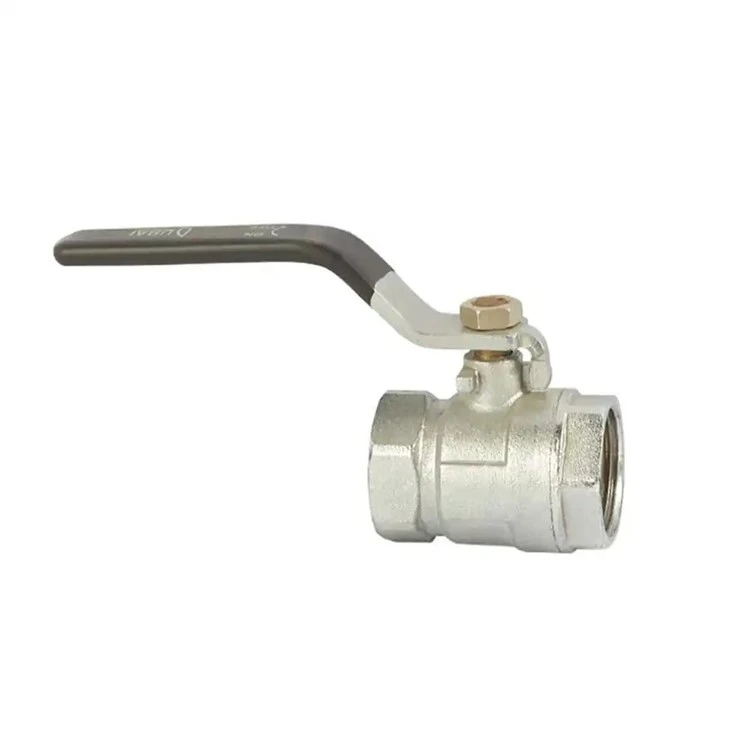
However, vertical installation also has its drawbacks. One of the main issues is that it can be more difficult to access and operate the valve, especially if it's installed in a high or hard-to-reach location. Additionally, vertical installation can increase the risk of air pockets forming inside the valve, which can cause problems with the valve's operation.
Upside-Down Installation
In some cases, you might need to install a 3/4 Inch Ball Valve upside down. This is often done in applications where the valve needs to be installed in a specific location or where the flow of fluid needs to be controlled in a particular direction.
Upside-down installation can be a bit tricky, as it requires careful consideration of the valve's design and the type of fluid being controlled. One of the main issues with upside-down installation is that it can increase the risk of leakage, especially if the valve is not properly sealed.
To minimize the risk of leakage, make sure that the valve is installed with the proper gaskets and seals. Additionally, ensure that the valve is tightened securely to prevent any movement or vibration.
Other Considerations
In addition to the installation orientation, there are a few other factors to consider when installing a 3/4 Inch Ball Valve. These include:
- Fluid Type: Different types of fluids can have different properties, such as viscosity, temperature, and pressure. Make sure that the valve you choose is suitable for the type of fluid being controlled.
- Flow Rate: The flow rate of the fluid through the valve is another important consideration. Make sure that the valve you choose has the appropriate flow capacity to meet your needs.
- Pressure Rating: The pressure rating of the valve is also crucial. Make sure that the valve you choose can handle the pressure of the fluid being controlled.
Conclusion
So, there you have it! The installation orientation of a 3/4 Inch Ball Valve can have a significant impact on its performance and lifespan. Whether you choose to install the valve horizontally, vertically, or upside down, make sure that you carefully consider the valve's design, the type of fluid being controlled, and the specific requirements of your application.
If you're in the market for a high-quality 3/4 Inch Ball Valve, be sure to check out our selection of Ball Valve Brass, Kitchen Ball Valve, and 1/2 Inch Brass Ball Valve. We offer a wide range of valves to suit your needs, and our team of experts is always on hand to help you choose the right valve for your application.
If you have any questions or would like to discuss your specific requirements, please don't hesitate to get in touch. We're here to help you find the perfect solution for your plumbing needs.
References
- "Ball Valves: A Comprehensive Guide." Plumbing World Magazine, Vol. 10, No. 2, 2023.
- "Installation and Maintenance of Ball Valves." Industrial Plumbing Handbook, 5th Edition, 2022.
- "Understanding Ball Valve Orientation." Valve Technology Journal, Vol. 8, No. 3, 2021.