

What is the future trend of brass ball valve development?
Jun 24, 2025
In the dynamic landscape of industrial components, brass ball valves stand as essential fixtures, playing a pivotal role in various sectors such as plumbing, HVAC, and industrial fluid control systems. As a dedicated brass ball valve supplier, I am constantly attuned to the market trends and technological advancements that shape the future of this industry. In this blog post, I will delve into the future trends of brass ball valve development, exploring the factors that will influence the evolution of these versatile components.
Technological Advancements Driving Innovation
One of the most significant trends shaping the future of brass ball valve development is the rapid pace of technological innovation. Advancements in materials science, manufacturing processes, and automation are revolutionizing the way brass ball valves are designed, produced, and used.
Materials Science
The development of new materials and alloys is enabling the production of brass ball valves with enhanced performance characteristics. For example, the use of high-strength brass alloys can improve the durability and corrosion resistance of ball valves, making them suitable for more demanding applications. Additionally, the incorporation of advanced polymers and composites in valve seals and seats can improve sealing performance and reduce friction, resulting in smoother operation and longer service life.
Manufacturing Processes
The adoption of advanced manufacturing technologies such as computer numerical control (CNC) machining, 3D printing, and precision casting is enabling the production of brass ball valves with greater precision and consistency. These technologies allow for the creation of complex geometries and intricate features that were previously difficult or impossible to achieve using traditional manufacturing methods. As a result, brass ball valves can now be designed and manufactured to meet the specific requirements of a wide range of applications, from small-scale residential plumbing systems to large industrial pipelines.
Automation
The increasing use of automation in the manufacturing process is also having a significant impact on the development of brass ball valves. Automated assembly lines and robotic welding systems can improve production efficiency, reduce labor costs, and ensure consistent quality control. Additionally, the integration of sensors and smart technologies into brass ball valves is enabling real-time monitoring and control of valve performance, allowing for predictive maintenance and improved system reliability.
Environmental Sustainability
In recent years, there has been a growing emphasis on environmental sustainability in the industrial sector. As a result, the development of brass ball valves that are more energy-efficient, environmentally friendly, and recyclable is becoming increasingly important.
Energy Efficiency
The design and operation of brass ball valves can have a significant impact on energy consumption in fluid control systems. By reducing friction and pressure drop, ball valves can help to minimize energy losses and improve the overall efficiency of the system. Additionally, the use of advanced sealing materials and technologies can help to prevent leaks and reduce the need for frequent maintenance, further improving energy efficiency.
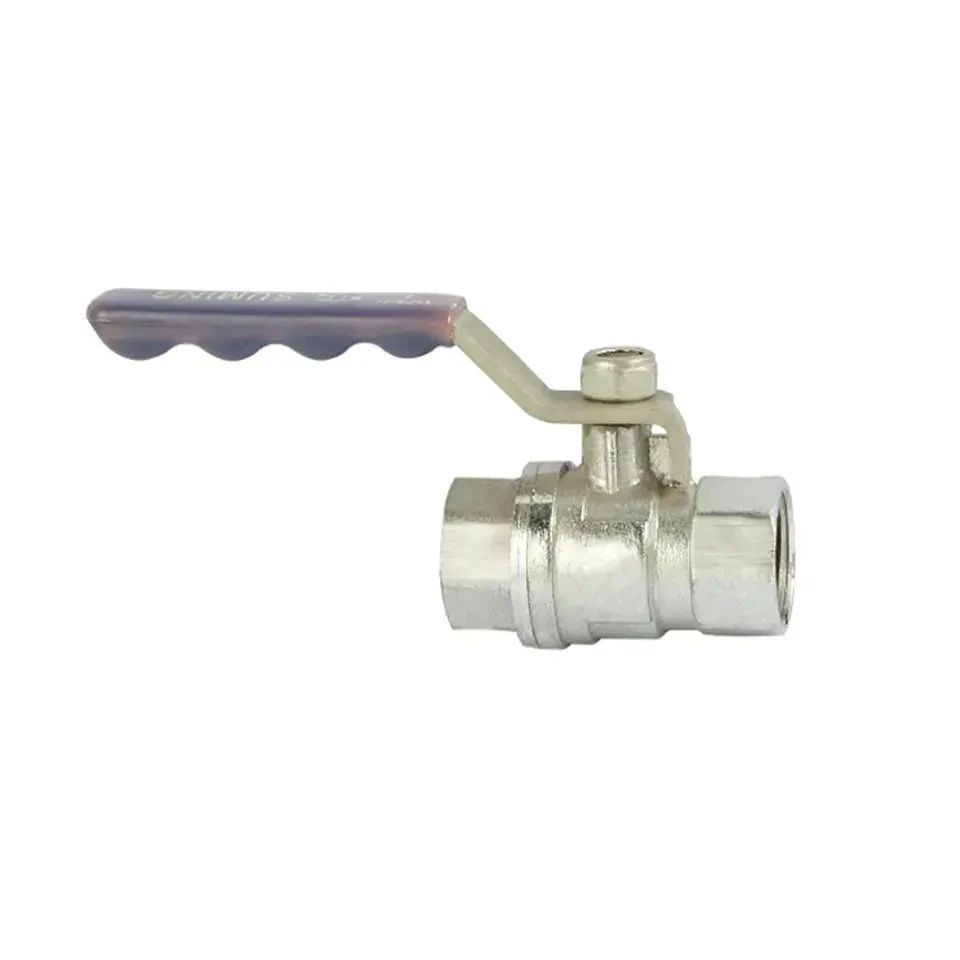

Environmental Friendliness
The production and use of brass ball valves can have a significant impact on the environment. By using environmentally friendly materials and manufacturing processes, such as lead-free brass alloys and water-based coatings, ball valve manufacturers can reduce their environmental footprint and comply with increasingly strict environmental regulations. Additionally, the development of recyclable ball valves can help to reduce waste and conserve natural resources.
Sustainability Standards
As the demand for sustainable products continues to grow, many industries are adopting sustainability standards and certifications for their products. For example, the International Organization for Standardization (ISO) has developed a series of standards for environmental management and sustainability, including ISO 14001 and ISO 50001. By complying with these standards, brass ball valve manufacturers can demonstrate their commitment to environmental sustainability and differentiate their products in the market.
Industry Trends and Market Demands
In addition to technological advancements and environmental sustainability, several industry trends and market demands are also shaping the future of brass ball valve development.
Increasing Demand for Customization
As industries become more specialized and diverse, there is an increasing demand for brass ball valves that can be customized to meet the specific requirements of different applications. This includes valves with unique sizes, shapes, materials, and performance characteristics. By offering a wide range of customization options, brass ball valve suppliers can differentiate themselves in the market and meet the needs of their customers more effectively.
Growing Importance of Smart Technologies
The integration of smart technologies such as sensors, actuators, and control systems into brass ball valves is becoming increasingly important. These technologies allow for real-time monitoring and control of valve performance, enabling predictive maintenance, remote operation, and improved system efficiency. As the demand for smart industrial solutions continues to grow, the development of brass ball valves that are compatible with these technologies will become essential.
Expansion of Emerging Markets
The rapid growth of emerging markets such as Asia, Africa, and the Middle East is creating new opportunities for brass ball valve suppliers. These markets are experiencing significant industrialization and urbanization, which is driving the demand for infrastructure development, including plumbing, HVAC, and industrial fluid control systems. By expanding their presence in these markets, brass ball valve suppliers can tap into new sources of growth and increase their market share.
Conclusion
In conclusion, the future of brass ball valve development is bright, with significant opportunities for innovation and growth. Technological advancements, environmental sustainability, industry trends, and market demands are all driving the evolution of these essential components. As a brass ball valve supplier, it is essential to stay ahead of these trends and invest in research and development to ensure that our products meet the changing needs of our customers.
If you are interested in learning more about our brass ball valve products or have any questions about the future trends of brass ball valve development, please feel free to [initiate a conversation with us to explore potential partnerships and procurement opportunities]. We are committed to providing high-quality products and excellent customer service, and we look forward to working with you.
References
- "Materials Science and Engineering: An Introduction" by William D. Callister Jr. and David G. Rethwisch
- "Manufacturing Engineering and Technology" by S. Kalpakjian and S. R. Schmid
- "Environmental Sustainability in the Industrial Sector" by the United Nations Industrial Development Organization (UNIDO)
- "Smart Technologies in Industrial Applications" by the Institute of Electrical and Electronics Engineers (IEEE)