

What is the benefit of using a rain sensor with a sprinkler valve?
Nov 05, 2025
In the realm of efficient water management for both residential and commercial landscapes, the integration of a rain sensor with a sprinkler valve stands out as a game - changer. As a seasoned supplier of Sprinkler Valves, I've witnessed firsthand the transformative benefits that this combination offers.
Water Conservation
One of the most significant advantages of using a rain sensor with a sprinkler valve is water conservation. Traditional sprinkler systems operate on pre - set schedules, which often leads to over - watering, especially during rainy periods. When it rains, the soil gets the moisture it needs naturally. However, without a rain sensor, the sprinkler system will still activate as per its programmed schedule, wasting a substantial amount of water.
A rain sensor acts as a smart regulator. It detects the presence of rain and automatically signals the sprinkler valve to stop the watering cycle. For instance, if your sprinkler system is set to water every morning at 6 am, but it rained heavily during the night, the rain sensor will sense the moisture and prevent the sprinkler valve from opening. This not only conserves water but also helps in reducing water bills. According to the Environmental Protection Agency (EPA), households can save up to 30% on their outdoor water usage by using a rain sensor with their sprinkler system.
Plant Health
Proper water management is crucial for the health of plants. Over - watering can lead to a host of problems, such as root rot, fungal diseases, and poor nutrient uptake. When a rain sensor is paired with a sprinkler valve, it ensures that plants receive the right amount of water.
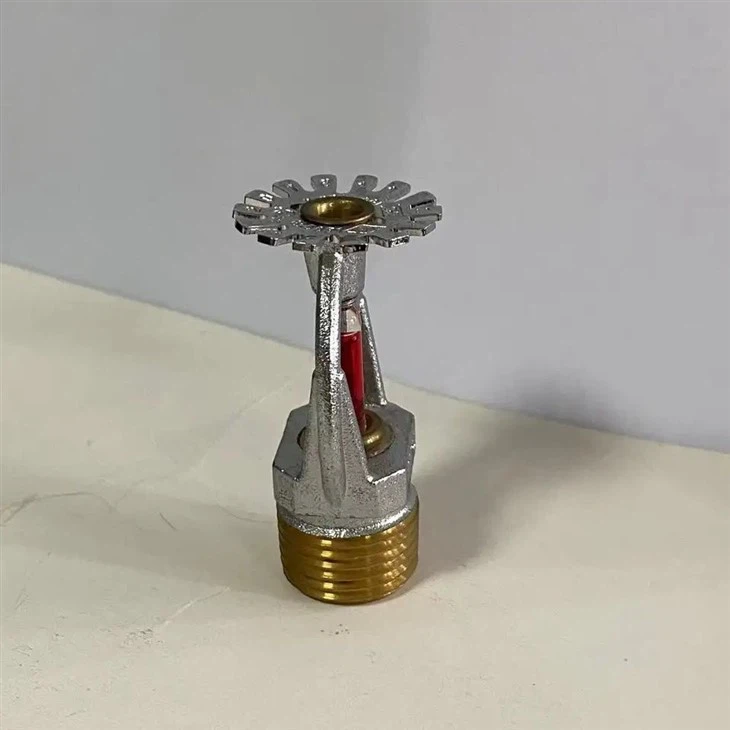

During dry spells, the sprinkler system will operate as normal, providing the necessary moisture to keep plants healthy. But when it rains, the system will pause, preventing the soil from becoming waterlogged. For example, in a garden with a variety of plants, some may be more sensitive to over - watering than others. A rain sensor helps in maintaining the optimal soil moisture level for all plants, promoting better growth and overall plant health.
Cost Savings
In addition to water bill savings, using a rain sensor with a sprinkler valve can also lead to long - term cost savings. By preventing over - watering, the wear and tear on the sprinkler system components are reduced. Sprinkler valves that are not constantly exposed to excessive water pressure and flow are less likely to develop leaks or malfunctions.
Moreover, the reduced water usage means less strain on the water supply infrastructure, which can lead to lower maintenance costs for the overall water system. For commercial properties, these savings can be quite substantial, especially when considering large - scale irrigation systems.
Environmental Impact
In today's world, environmental sustainability is a top priority. The combination of a rain sensor and a sprinkler valve has a positive environmental impact. By conserving water, we are helping to preserve this precious natural resource. Water scarcity is a growing concern in many regions, and every drop saved counts.
Furthermore, reducing water usage also reduces the energy required to pump and treat water. Water treatment plants consume a significant amount of energy to clean and distribute water. By using less water, we are indirectly reducing the carbon footprint associated with water treatment and distribution.
Compatibility and Ease of Installation
As a Sprinkler Valves supplier, I can attest to the fact that rain sensors are highly compatible with most sprinkler valve systems. They can be easily installed as an add - on to existing sprinkler systems. Most rain sensors come with clear installation instructions, and in many cases, homeowners or business owners can install them themselves without the need for professional help.
The installation process typically involves connecting the rain sensor to the sprinkler valve controller. Once installed, the rain sensor will start monitoring the weather conditions and communicating with the valve to control the watering schedule.
Different Types of Rain Sensors
There are several types of rain sensors available in the market, each with its own set of features and benefits. One common type is the tipping - bucket rain sensor. This sensor works by collecting rainwater in a small bucket. When the bucket fills with a certain amount of water, it tips, triggering a switch that sends a signal to the sprinkler valve controller to stop the watering.
Another type is the electronic rain sensor, which uses electrodes to detect the presence of water. These sensors are often more sensitive and can provide more accurate readings. They are also less prone to clogging compared to tipping - bucket sensors.
Applications in Different Settings
The use of a rain sensor with a sprinkler valve is not limited to residential landscapes. It has numerous applications in commercial and industrial settings as well.
In commercial landscapes, such as office parks, shopping malls, and golf courses, large - scale sprinkler systems are used to maintain the greenery. By using a rain sensor, these facilities can save a significant amount of water and reduce their operating costs. For example, a golf course with a well - maintained lawn requires a large amount of water for irrigation. A rain sensor can ensure that the course is only watered when necessary, improving the efficiency of the irrigation system.
In industrial settings, rain sensors can be used in areas where water is used for dust suppression or cooling purposes. By integrating a rain sensor with the sprinkler valve, these systems can be optimized to use water more efficiently, especially during rainy periods.
Fire Sprinkler Systems
The concept of using a sensor to control water flow is not limited to landscape irrigation. In the case of Fire Sprinkler Valves, sensors play a crucial role in ensuring the safety and efficiency of the system.
Fire sprinkler systems are designed to activate when a fire is detected. However, false alarms can be a problem, leading to unnecessary water damage. By using advanced sensors, such as heat sensors and smoke detectors, the Fire Sprinkler Valves can be more accurately controlled. For example, a Brass Fire Sprinkler Valve can be paired with a heat sensor that only activates the valve when the temperature reaches a certain threshold, indicating the presence of a fire.
Conclusion
In conclusion, the benefits of using a rain sensor with a sprinkler valve are numerous. From water conservation and cost savings to plant health and environmental sustainability, this combination offers a comprehensive solution for efficient water management.
Whether you are a homeowner looking to save on your water bill and maintain a healthy garden or a commercial property owner aiming to reduce operating costs and improve the efficiency of your irrigation system, a rain sensor with a sprinkler valve is a wise investment.
If you are interested in learning more about our Sprinkler Valves and how they can be paired with rain sensors, or if you have any questions regarding our Fire Sprinkler Valves and Brass Fire Sprinkler Valve, please feel free to reach out. We are here to assist you in making the best choices for your water management needs.
References
- Environmental Protection Agency (EPA). WaterSense Program.
- Various industry reports on water conservation and irrigation system efficiency.