

What is the ASME standard for brass ball valves?
Jul 01, 2025
What is the ASME standard for brass ball valves?
As a supplier of brass ball valves, understanding the relevant standards is crucial for ensuring the quality and performance of our products. Among these standards, the ASME (American Society of Mechanical Engineers) standards play a significant role in the industry.
Introduction to ASME Standards
The ASME standards are a set of technical codes and standards that cover a wide range of engineering fields, including valves. These standards are developed through a consensus - building process involving industry experts, manufacturers, and users. They aim to ensure the safety, reliability, and interchangeability of products.
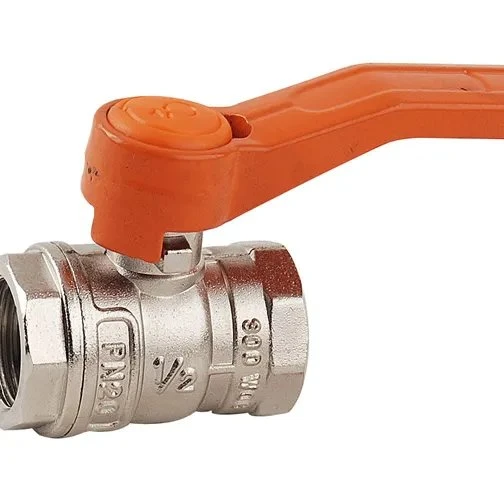

For brass ball valves, ASME standards define various aspects such as design, materials, manufacturing processes, testing, and performance requirements. Adhering to these standards helps to guarantee that the valves can operate effectively under different conditions and meet the expectations of customers.
Key ASME Standards for Brass Ball Valves
ASME B16.34 - Valves - Flanged, Threaded, and Welded End
This standard is one of the most important for brass ball valves. It covers the design, pressure - temperature ratings, materials, and dimensions of valves with flanged, threaded, or welded ends. The pressure - temperature ratings specified in ASME B16.34 are essential as they determine the maximum pressure and temperature at which a valve can safely operate. For example, a brass ball valve designed according to this standard will have clear markings indicating its pressure - temperature limits, which helps users to select the right valve for their specific applications.
The material requirements in ASME B16.34 ensure that the brass used in the ball valve meets certain quality and composition standards. This is important because the properties of the brass, such as its corrosion resistance and mechanical strength, directly affect the performance and lifespan of the valve.
ASME B16.24 - Cast Copper Alloy Pipe Fittings
Although it is mainly focused on pipe fittings, it also has implications for brass ball valves, especially those with threaded connections. This standard covers the dimensions, tolerances, and materials of cast copper alloy pipe fittings, which are often used in conjunction with brass ball valves. Ensuring that the pipe fittings meet ASME B16.24 standards helps to ensure a proper fit and connection between the valve and the piping system, reducing the risk of leaks and failures.
ASME B16.42 - Ductile Iron Pipe Fittings, Class 150 and 300
While brass ball valves are made of brass rather than ductile iron, this standard is relevant in cases where the valve is used in a system with ductile iron pipe fittings. It provides guidelines on the design, dimensions, and pressure ratings of ductile iron pipe fittings. Understanding this standard can help in the overall system design to ensure compatibility between the brass ball valve and other components in the system.
Benefits of Complying with ASME Standards
Quality Assurance
When our brass ball valves comply with ASME standards, it serves as a guarantee of quality. Customers can have confidence in the performance and reliability of our products because they are designed and manufactured according to well - established industry standards. This is especially important in industries such as water treatment, oil and gas, and chemical processing, where the failure of a valve can lead to significant safety hazards and economic losses.
Interchangeability
ASME standards promote interchangeability of components. This means that our brass ball valves can be easily integrated into existing piping systems or replaced with other valves that also meet the same standards. For example, if a customer needs to replace a faulty brass ball valve in their system, they can choose a valve from our product line that is compliant with ASME standards, knowing that it will fit and function properly in the existing setup.
Global Acceptance
ASME standards are widely recognized and accepted around the world. By manufacturing our brass ball valves to these standards, we can expand our market reach and serve customers in different countries. This is beneficial for both us as a supplier and for our customers, as it provides them with a wider choice of high - quality products.
Our Product Range in Line with ASME Standards
We offer a diverse range of brass ball valves that are designed and manufactured to comply with ASME standards. Our Ball Valve Brass series is a popular choice among customers. These valves are made from high - quality brass and feature a compact design, making them suitable for a variety of applications, including residential plumbing, commercial heating systems, and industrial fluid control.
Our Pn40 Brass Ball Valve is another product that adheres to ASME standards. With a pressure rating of Pn40, it can withstand relatively high pressures, making it ideal for applications in high - pressure systems such as hydraulic systems and some industrial processing plants.
The Brass Ball Water Valve in our product range is specifically designed for water applications. It meets the strict requirements of ASME standards for materials and performance, ensuring that it is safe and reliable for use in potable water systems.
Importance of Testing to ASME Standards
In addition to design and manufacturing in accordance with ASME standards, testing is also a crucial step. ASME standards specify various testing methods and requirements for valves. For example, hydrostatic testing is commonly used to check the pressure - holding capacity of a brass ball valve. During this test, the valve is filled with water and subjected to a specified pressure for a certain period of time. If the valve passes the test without any leaks or deformation, it indicates that it meets the pressure - related requirements of the ASME standard.
Another important test is the flow coefficient (Cv) testing. The Cv value of a valve indicates its flow capacity. By testing the Cv value of our brass ball valves according to ASME standards, we can accurately provide customers with information about how much fluid the valve can handle under different conditions, which helps them to select the right valve for their flow requirements.
Conclusion
In conclusion, the ASME standards for brass ball valves are comprehensive and cover multiple aspects of valve design, manufacturing, and performance. As a supplier of brass ball valves, we are committed to adhering to these standards to provide our customers with high - quality, reliable, and safe products. Our product range, including Ball Valve Brass, Pn40 Brass Ball Valve, and Brass Ball Water Valve, is designed and tested to meet the requirements of ASME standards.
If you are in the market for brass ball valves and are looking for products that meet the highest industry standards, we invite you to contact us for further discussion and procurement. We are ready to provide you with detailed product information and support to help you find the perfect solution for your specific needs.
References
- ASME B16.34 - Valves - Flanged, Threaded, and Welded End
- ASME B16.24 - Cast Copper Alloy Pipe Fittings
- ASME B16.42 - Ductile Iron Pipe Fittings, Class 150 and 300