

What is the anti - oxidation performance of a 3/4 Inch Ball Valve?
Jan 14, 2026
As a supplier of 3/4 Inch Ball Valves, I often encounter inquiries from customers about various aspects of our products. One frequently asked question is about the anti - oxidation performance of these ball valves. In this blog post, I will delve into what the anti - oxidation performance of a 3/4 Inch Ball Valve entails, why it is crucial, and how our products stand out in this regard.
Understanding Anti - Oxidation Performance
Before we specifically discuss the 3/4 Inch Ball Valve, let's first understand what anti - oxidation performance means. Oxidation is a chemical reaction that occurs when a substance reacts with oxygen. In the context of ball valves, this usually affects the valve body, ball, and other components. Metals like iron, steel, and even some alloys can oxidize when exposed to oxygen in the air or in the medium they are controlling, such as water or gas.
When oxidation occurs on a ball valve, it can lead to several problems. Firstly, it can cause pitting and corrosion on the surface of the valve components. This not only affects the appearance of the valve but can also compromise its structural integrity. As corrosion progresses, it may lead to leaks or reduced flow rates, which can disrupt the normal operation of the pipeline system in which the valve is installed. Secondly, oxidation can increase the friction between moving parts of the ball valve, such as the ball and the seat, making it difficult to operate the valve smoothly.
Factors Affecting the Anti - Oxidation Performance of 3/4 Inch Ball Valves
There are multiple factors that influence the anti - oxidation performance of 3/4 Inch Ball Valves.
Material Selection
The choice of materials is of utmost importance. Different metals and alloys have different inherent anti - oxidation capabilities. For example, stainless steel is known for its excellent anti - oxidation properties due to the presence of chromium, which forms a passive oxide layer on the surface. This layer acts as a barrier, preventing further oxidation of the underlying metal. Our company offers 3/4 Inch Ball Valves in various materials, including high - quality stainless steel. The use of stainless steel ensures that our valves can withstand long - term exposure to oxygen and other corrosive substances commonly found in industrial and domestic environments.
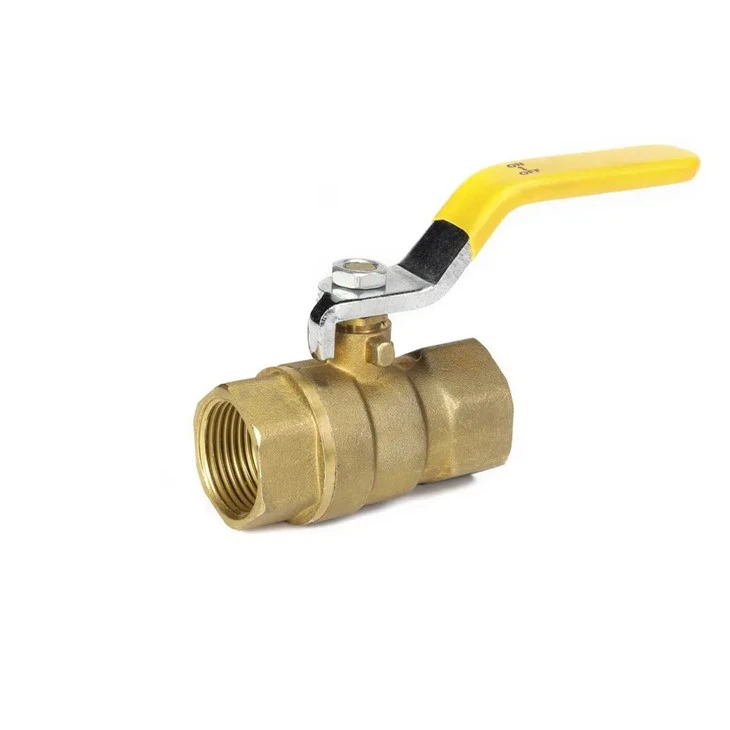
Another popular material for ball valves is Copper Ball Valve. Copper has good corrosion resistance, especially in water - based systems. It forms a protective patina over time, which helps to prevent further oxidation. Copper ball valves are widely used in plumbing applications because of their durability and resistance to oxidation in water conditions.
Surface Treatment
In addition to material selection, surface treatment can significantly enhance the anti - oxidation performance of ball valves. Processes such as electroplating, powder coating, and nitriding can be applied to the valve components. Electroplating can deposit a thin layer of a corrosion - resistant metal, like nickel or chrome, on the surface of the valve. This layer provides an extra level of protection against oxidation. Powder coating, on the other hand, can create a thick and uniform protective layer that is resistant to both oxidation and physical damage. Our 3/4 Inch Ball Valves are subject to strict surface treatment processes to ensure maximum anti - oxidation protection.
Environmental Conditions
The environment in which the ball valve operates also plays a crucial role in its anti - oxidation performance. In a dry and clean environment, the risk of oxidation is relatively low. However, in a humid environment with high levels of salt, sulfur compounds, or other corrosive agents, the valve is more prone to oxidation. For example, ball valves used in coastal areas or in industrial settings with high pollution levels need to have better anti - oxidation capabilities. Our company's valves are designed to be adaptable to various environmental conditions, with appropriate material selection and surface treatment to ensure long - term performance.
Anti - Oxidation Performance in Different Applications
The anti - oxidation performance requirements of 3/4 Inch Ball Valves vary depending on their applications.
Water Supply Systems
In water supply systems, whether it is for domestic or industrial use, the ball valve is constantly in contact with water. Water can contain dissolved oxygen, minerals, and other substances that can cause oxidation. A valve with poor anti - oxidation performance may corrode over time, leading to leaks and contamination of the water supply. Our 3/4 Inch Ball Valves are designed to resist oxidation in water environments, ensuring the safe and reliable operation of water supply systems.
Gas Systems
For Ball Valve For Gas applications, although the gas itself may not be as corrosive as water in most cases, there can still be impurities in the gas, such as moisture and sulfur compounds. These impurities can cause oxidation of the valve components over time. A well - designed gas ball valve with good anti - oxidation performance can prevent gas leaks and ensure the safety of the gas system. Our products meet the high anti - oxidation standards required for gas applications, providing reliable control of gas flow.
Chemical Processing Industry
In the chemical processing industry, the ball valves are exposed to a wide range of corrosive chemicals. Oxidation is a major concern, as it can lead to the failure of the valve and potentially hazardous situations. Our company offers customized ODM Ball Valve solutions for the chemical processing industry. By carefully selecting materials and applying advanced surface treatment techniques, our valves can withstand the harsh chemical environments and maintain their anti - oxidation performance.
How Our 3/4 Inch Ball Valves Excel in Anti - Oxidation
Our company takes pride in the anti - oxidation performance of our 3/4 Inch Ball Valves. We start by using the highest quality materials. Our stainless steel valves are made from premium grades of stainless steel that have a high chromium content, ensuring excellent corrosion resistance. For copper ball valves, we use pure and high - quality copper to maximize their anti - oxidation properties.
In terms of surface treatment, we have a state - of - the - art production line that allows us to apply uniform and durable surface coatings. We conduct strict quality control at every step of the production process to ensure that the surface treatment meets or exceeds industry standards.
We also continuously conduct research and development to improve our products' anti - oxidation performance. We test our valves under various simulated environmental conditions to ensure their long - term reliability.

Why Anti - Oxidation Performance Matters to You
As a customer, the anti - oxidation performance of a 3/4 Inch Ball Valve directly affects your investment and the efficiency of your systems. A valve with good anti - oxidation performance has a longer service life, which means you don't have to replace it frequently. This reduces your maintenance costs and downtime. Moreover, a reliable valve ensures the smooth operation of your pipeline system, whether it is for water, gas, or chemical applications. It helps to prevent leaks and potential safety hazards, protecting your property and the environment.
Contact Us for Your Ball Valve Needs
If you are in the market for high - quality 3/4 Inch Ball Valves with excellent anti - oxidation performance, we are here to help. Our team of experts can provide you with detailed product information, answer your questions, and assist you in selecting the right valve for your specific application. Whether you need a valve for a small - scale domestic project or a large - scale industrial installation, we have the products and solutions to meet your requirements. Let's start a conversation and explore how our ball valves can enhance your systems.
References
- Metals Handbook: Properties and Selections: Irons, Steels, and High - Performance Alloys, ASM International.
- Corrosion and Corrosion Control: An Introduction to Corrosion Science and Engineering, Donald A. Jones.
- Valve Handbook: Principles, Selection, and Sizing, Second Edition, Libardo F. Escobar.