

What are the special requirements for ball valves in vacuum applications?
Oct 23, 2025
Hey there! As a ball valve supplier, I've been getting a lot of questions lately about the special requirements for ball valves in vacuum applications. So, I thought I'd share some insights on this topic.
First off, let's understand what a vacuum application is. In simple terms, a vacuum is a space where the pressure is lower than the atmospheric pressure. Vacuum applications are common in industries like semiconductor manufacturing, food packaging, and scientific research. In these settings, ball valves play a crucial role in controlling the flow of gases or liquids.
Leakage Prevention
One of the most critical requirements for ball valves in vacuum applications is preventing leakage. Even a tiny leak can disrupt the vacuum process and lead to inaccurate results or product defects. That's why we need ball valves with excellent sealing performance.
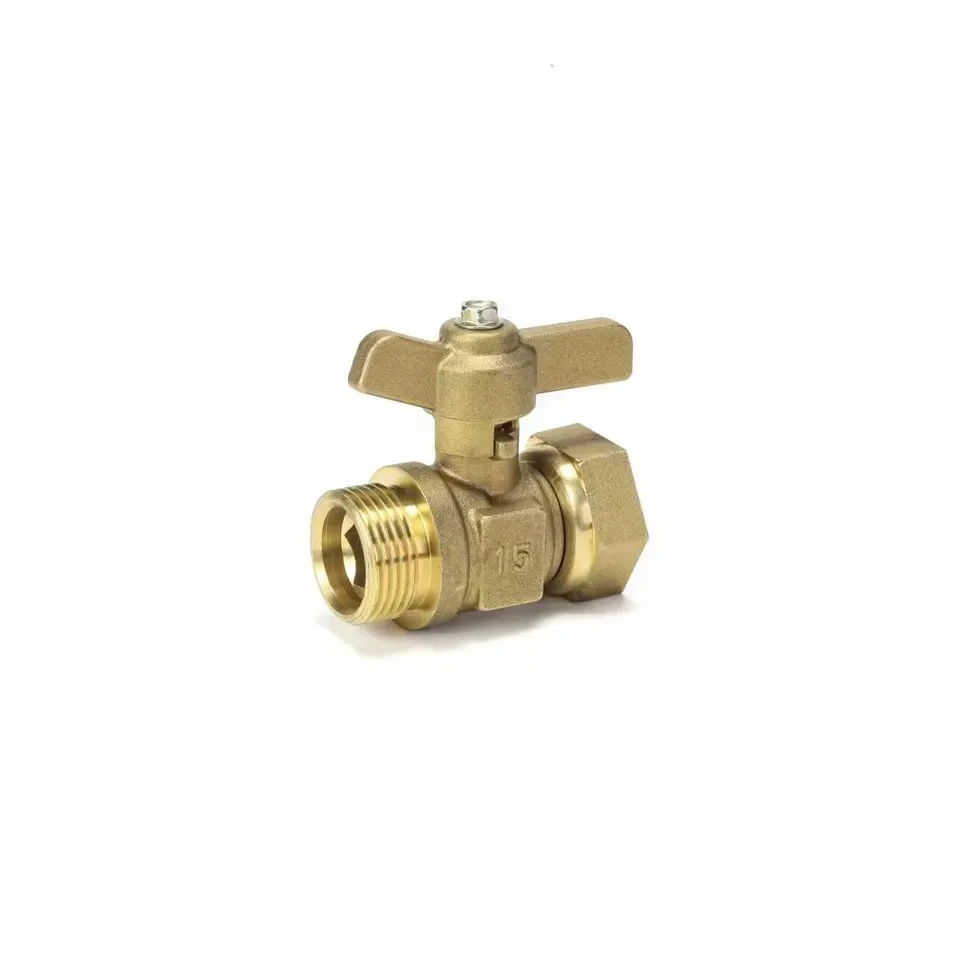
For example, our High Quality Brass Ball Valve is designed with high - precision machining and high - quality sealing materials. The ball and seat are carefully crafted to ensure a tight fit, minimizing the chances of leakage. The brass material is also corrosion - resistant, which helps maintain the integrity of the seal over time.
Material Selection
The choice of materials for ball valves in vacuum applications is also very important. In a vacuum environment, some materials may outgas, which means they release gases trapped within them. This can contaminate the vacuum system and affect its performance.
Stainless steel is a popular choice for ball valves in vacuum applications because it has low outgassing properties. It's also strong and durable, able to withstand the pressure differentials in a vacuum system. Our Brass Ball Valve is another option. Brass is relatively inexpensive and has good machinability. However, we make sure to treat the brass properly to reduce outgassing.

Valve Design
The design of the ball valve can significantly impact its performance in vacuum applications. For instance, the valve's flow path should be smooth to minimize resistance. A rough or irregular flow path can cause turbulence, which may lead to pressure fluctuations and affect the vacuum stability.
Our ball valves are designed with a streamlined flow path. The ball inside the valve rotates smoothly, allowing for precise control of the flow rate. This is especially important in vacuum applications where even small changes in flow can have a big impact on the process.
Pressure Rating
Ball valves in vacuum applications need to be able to handle the low - pressure conditions. The pressure rating of the valve should be carefully considered. A valve with a too - high pressure rating may be over - engineered and more expensive, while a valve with a too - low pressure rating may fail under the vacuum conditions.
We offer a range of ball valves with different pressure ratings to meet the specific needs of our customers. Whether you're working with a high - vacuum system or a low - vacuum one, we can provide a suitable valve. For example, our PPR Ball Valve has a pressure rating that makes it suitable for a variety of vacuum applications.
Actuation
In some vacuum applications, it may be necessary to automate the operation of the ball valve. This can improve the efficiency and accuracy of the process. There are different types of actuators available, such as electric, pneumatic, and hydraulic actuators.
When choosing an actuator for a ball valve in a vacuum application, we need to consider factors like the size of the valve, the frequency of operation, and the control requirements. We can help our customers select the right actuator for their specific needs.
Cleaning and Degreasing
Before using a ball valve in a vacuum application, it's essential to clean and degrease it thoroughly. Any contaminants on the valve surface can outgas and contaminate the vacuum system. We have strict cleaning and degreasing procedures in place to ensure that our ball valves are clean and ready for use in vacuum applications.
Testing
All our ball valves undergo rigorous testing before they are shipped to our customers. We test the valves for leakage, pressure rating, and flow characteristics. In the case of vacuum applications, we also test the valves in a simulated vacuum environment to ensure they perform as expected.
Compatibility with Other Components
Ball valves in vacuum applications need to be compatible with other components in the system, such as pipes, pumps, and sensors. The connection type, size, and material of the valve should match those of the other components to ensure a proper fit and reliable operation.
We offer a wide range of connection options for our ball valves, including threaded, flanged, and welded connections. This allows our customers to easily integrate our valves into their existing vacuum systems.
Maintenance
Proper maintenance is crucial for the long - term performance of ball valves in vacuum applications. Regular inspection, lubrication, and replacement of worn parts can help prevent problems and extend the life of the valve.
We provide our customers with detailed maintenance instructions and can also offer maintenance services if needed.
If you're in the market for ball valves for vacuum applications, we'd love to hear from you. We have a team of experts who can help you select the right valve for your specific needs. Whether you're a small - scale research lab or a large - scale industrial facility, we can provide high - quality ball valves at competitive prices. Contact us today to start a discussion about your requirements and let's work together to find the best solution for your vacuum application.
References
- ASME B16.34 - Valves - Flanged, Threaded, and Welded End
- ISO 5208 - Industrial valves - Pressure testing of valves
- Vacuum Technology Handbook, various editions