

How to troubleshoot gas ball valve failures?
May 15, 2025
Hey there! As a supplier of Gas Ball Valves, I've seen my fair share of valve failures. It can be a real headache when these things go wrong, but don't worry - I'm here to walk you through how to troubleshoot those pesky gas ball valve failures.
1. Understanding the Basics of Gas Ball Valves
Before we dive into troubleshooting, let's quickly go over what a gas ball valve is. A gas ball valve is a type of valve that uses a ball with a hole in the middle to control the flow of gas. When the ball is turned so that the hole aligns with the pipe, gas can flow through. When it's turned perpendicular to the pipe, the flow is stopped.
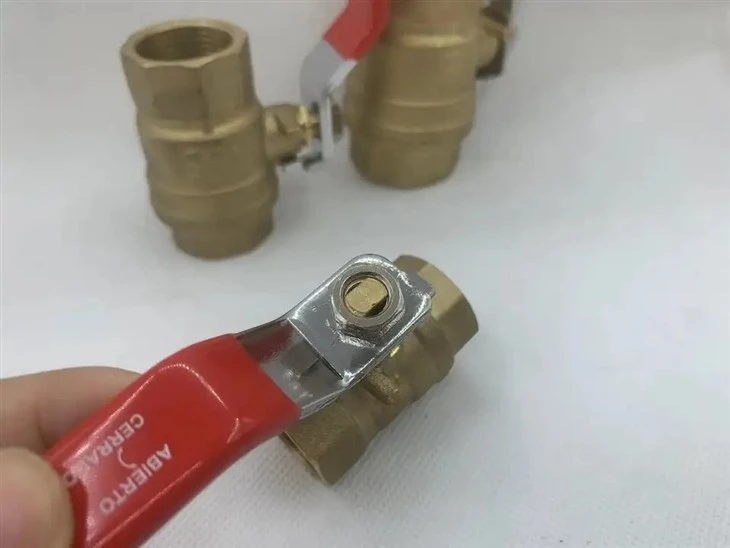
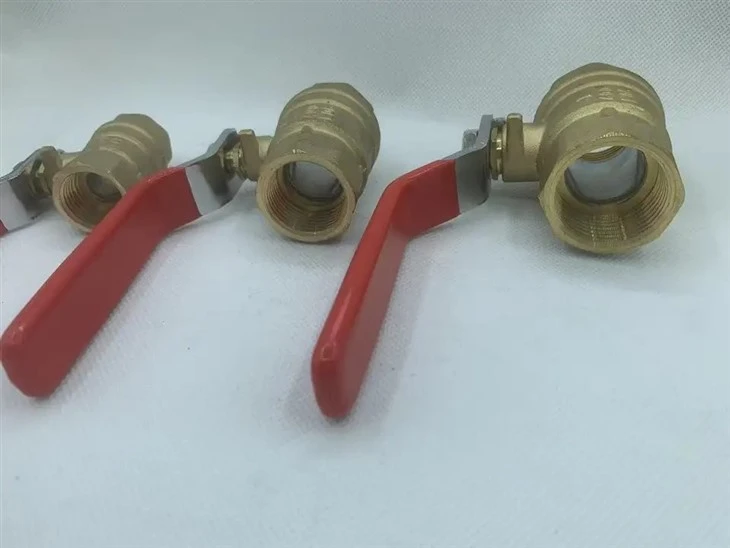
There are different types of gas ball valves out there, like the 1/2 Ball Valve, Yuhuan Ball Valve, and Brass Water Ball Valve. Each has its own features and applications, but they all work on the same basic principle.
2. Common Gas Ball Valve Failures
Leakage
One of the most common problems with gas ball valves is leakage. You might notice a hissing sound or smell gas near the valve. Leakage can be caused by several factors:
- Worn Seals: Over time, the seals inside the valve can wear out, allowing gas to escape. This can happen due to normal use or exposure to harsh conditions.
- Loose Connections: If the valve isn't properly tightened to the pipes, gas can leak out around the connections.
- Cracked Body: A crack in the valve body can also lead to leakage. This can be caused by physical damage or corrosion.
Difficulty Turning the Valve
Another issue you might encounter is difficulty turning the valve. This could be a sign of:

- Debris or Dirt: If there's dirt or debris inside the valve, it can prevent the ball from turning smoothly.
- Lack of Lubrication: The valve may need lubrication to reduce friction and make it easier to turn.
- Internal Damage: Damage to the valve's internal components, such as the stem or ball, can also cause turning problems.
Valve Not Closing Completely
Sometimes, the valve may not close completely, allowing gas to continue flowing even when it's supposed to be shut off. This can be due to:

- Obstructions: Something might be blocking the ball from fully rotating into the closed position.
- Worn or Damaged Seats: The seats that the ball seals against can wear out or get damaged, preventing a proper seal.
3. Troubleshooting Steps
For Leakage
- Check the Connections: First, make sure all the connections are tight. Use a wrench to gently tighten any loose nuts or bolts, but be careful not to over-tighten as this can damage the valve.
- Inspect the Seals: If you suspect worn seals, you may need to disassemble the valve (if possible) and replace the seals. Make sure to use the correct type of seals for your valve.
- Look for Cracks: Examine the valve body for any visible cracks. If you find a crack, the valve will likely need to be replaced.
For Difficulty Turning the Valve
- Clean the Valve: Try cleaning the valve to remove any dirt or debris. You can use a soft brush and a mild cleaning solution. Rinse it thoroughly and dry it before reassembling.
- Lubricate the Valve: Apply a suitable lubricant to the valve's moving parts. Make sure to use a lubricant that's compatible with gas and the materials of your valve.
- Check for Internal Damage: If cleaning and lubricating don't solve the problem, there may be internal damage. In this case, it's best to consult a professional or replace the valve.
For Valve Not Closing Completely
- Remove Obstructions: Carefully check for any obstructions inside the valve. Use a small tool to gently remove any debris that might be blocking the ball.
- Inspect the Seats: If the seats are worn or damaged, you may need to replace them. Some valves have replaceable seats, while others may require the entire valve to be replaced.
4. Safety Precautions
When troubleshooting gas ball valve failures, safety should always be your top priority. Here are some important safety tips:
- Turn Off the Gas Supply: Before doing any work on the valve, make sure to turn off the gas supply at the main source. This will prevent any gas leaks and reduce the risk of fire or explosion.
- Ventilate the Area: Open windows and doors to allow fresh air to circulate in the area where you're working. This will help disperse any gas that may be present.
- Use Proper Tools: Make sure to use the right tools for the job. Using improper tools can damage the valve and increase the risk of injury.
- Seek Professional Help if Needed: If you're unsure about how to troubleshoot or repair the valve, or if you encounter any serious problems, it's best to call a professional plumber or gas technician.
5. Preventive Maintenance
To avoid gas ball valve failures in the first place, it's important to perform regular preventive maintenance. Here are some tips:
- Inspect the Valves Regularly: Check your gas ball valves periodically for signs of wear, damage, or leakage. Look for any cracks, loose connections, or other issues.
- Lubricate the Valves: Apply lubricant to the valve's moving parts at regular intervals to keep them working smoothly.
- Keep the Area Clean: Make sure the area around the valves is clean and free of dirt, debris, and other contaminants.
- Follow Manufacturer's Instructions: Always follow the manufacturer's instructions for installation, use, and maintenance of your gas ball valves.
6. Conclusion
Troubleshooting gas ball valve failures can be a bit of a challenge, but with the right knowledge and tools, you can often fix the problem yourself. Remember to always prioritize safety and follow the steps outlined in this guide.
If you're in the market for high-quality gas ball valves, we've got you covered. Our 1/2 Ball Valve, Yuhuan Ball Valve, and Brass Water Ball Valve are all top-notch products that are built to last. If you have any questions or are interested in purchasing our valves, feel free to reach out to us for a procurement discussion. We're here to help you find the perfect solution for your needs.
References
- "Valve Handbook: Principles and Applications" by John Walsh
- Manufacturer's manuals for gas ball valves