

How to troubleshoot a sprinkler valve?
Dec 12, 2025
Troubleshooting a sprinkler valve can be a daunting task, but it doesn't have to be. As a seasoned supplier of Sprinkler Valves, I've encountered numerous issues with these essential components. In this blog post, I'll share some practical tips and steps to help you diagnose and fix common problems with sprinkler valves.
Understanding Sprinkler Valves
Before we dive into troubleshooting, it's important to understand what a sprinkler valve is and how it works. A sprinkler valve is a crucial part of an irrigation system that controls the flow of water to the sprinkler heads. It is typically operated by an electric solenoid, which opens and closes the valve based on signals from a timer or controller.
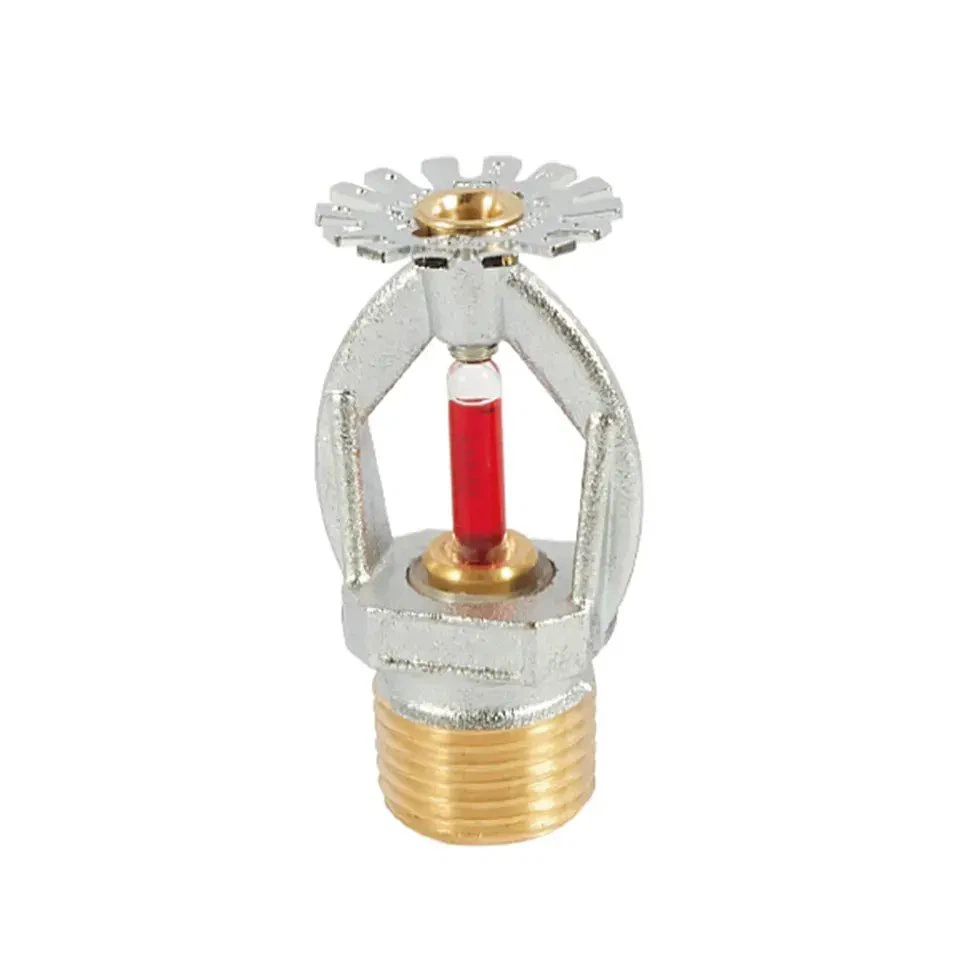
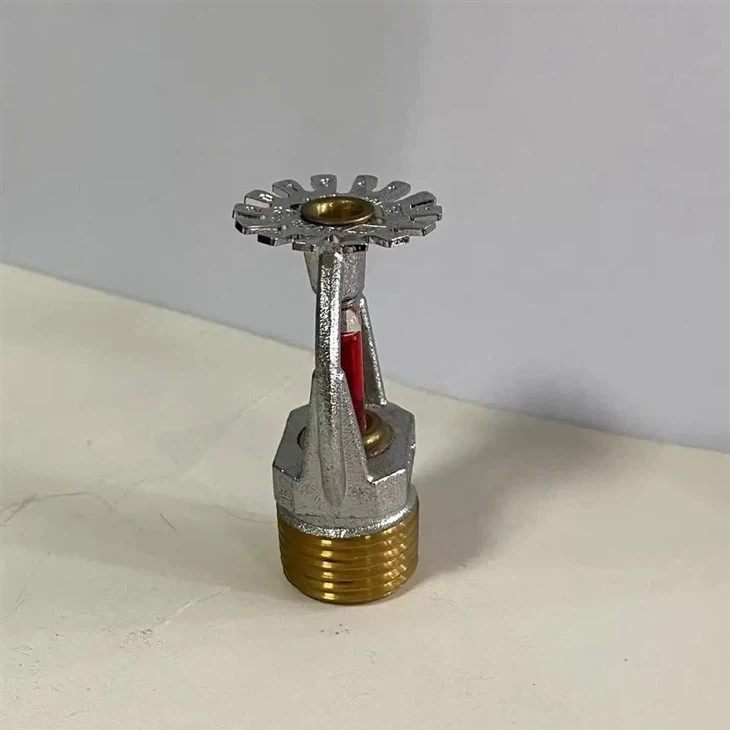
There are different types of sprinkler valves, including Fire Water Sprinkler Valve and Brass Fire Sprinkler Valve, each designed for specific applications. Fire water sprinkler valves are used in fire suppression systems to ensure water flow in case of a fire, while brass fire sprinkler valves are known for their durability and corrosion resistance.
Common Sprinkler Valve Problems
Now that we have a basic understanding of sprinkler valves, let's look at some common problems you might encounter:
1. Valve Won't Open
One of the most common issues is a valve that won't open. This can be caused by several factors, including a faulty solenoid, a clogged valve, or a problem with the controller.
- Faulty Solenoid: The solenoid is the component that controls the opening and closing of the valve. If it's not functioning properly, the valve won't open. You can test the solenoid by using a multimeter to check for electrical continuity. If there's no continuity, the solenoid may need to be replaced.
- Clogged Valve: Debris such as sand, dirt, or small rocks can accumulate inside the valve and prevent it from opening. To clean the valve, turn off the water supply and remove the valve from the system. Carefully disassemble the valve and clean all the components with a soft brush and water. Make sure to remove any debris from the valve seat and the solenoid.
- Controller Problem: If the valve won't open, it's possible that there's an issue with the controller. Check the controller settings to ensure that the valve is programmed to open at the correct time. You can also try resetting the controller to see if that solves the problem.
2. Valve Won't Close
Another common problem is a valve that won't close. This can lead to water wastage and potential damage to your lawn or landscaping.
- Stuck Valve: A valve may get stuck in the open position due to debris or a mechanical problem. Similar to the case of a clogged valve, you can remove the valve and clean it to try and free it up. If the problem persists, the valve may need to be replaced.
- Solenoid Malfunction: A faulty solenoid can also cause the valve not to close. You can test the solenoid as described above and replace it if necessary.
- High Water Pressure: Excessive water pressure can prevent the valve from closing properly. Install a pressure regulator in the system to reduce the water pressure to an appropriate level.
3. Leaking Valve
A leaking valve is not only a waste of water but can also cause damage to the surrounding area.
- Worn Seals: Over time, the seals inside the valve can wear out, causing leaks. You can try replacing the seals to fix the problem. Most valve manufacturers offer replacement seals, which are relatively easy to install.
- Cracked Body: A cracked valve body can also lead to leaks. If you notice a crack in the valve, it should be replaced immediately to prevent further damage.
Step-by-Step Troubleshooting Process
Here's a step-by-step process to troubleshoot a sprinkler valve:
Step 1: Visual Inspection
Start by visually inspecting the valve and the surrounding area. Look for any signs of water leakage, damage to the valve body or solenoid, or debris around the valve.
Step 2: Check the Electrical Connection
Make sure that the electrical connection to the solenoid is secure. Check for any loose wires, frayed cables, or signs of corrosion. If you find any issues, repair or replace the electrical components as needed.
Step 3: Test the Solenoid
Use a multimeter to test the solenoid for electrical continuity. Set the multimeter to the resistance (ohms) setting and touch the probes to the terminals of the solenoid. If the multimeter shows infinity (no continuity), the solenoid is likely faulty and needs to be replaced.
Step 4: Check the Water Pressure
Use a pressure gauge to check the water pressure at the valve. If the pressure is too high or too low, it can cause problems with the valve's operation. Adjust the pressure regulator if necessary to ensure that the water pressure is within the recommended range.
Step 5: Clean the Valve
If you suspect that the valve is clogged, turn off the water supply and remove the valve from the system. Disassemble the valve and clean all the components thoroughly. Reassemble the valve and reinstall it in the system.
Step 6: Test the Valve
After completing the above steps, turn on the water supply and test the valve. If the valve still doesn't work properly, it may be necessary to replace it.
When to Call a Professional
While many sprinkler valve problems can be fixed with some basic troubleshooting, there are times when it's best to call a professional. If you're not comfortable working with electrical components, or if you're unable to diagnose or fix the problem on your own, it's advisable to seek the help of a qualified irrigation technician.
Conclusion
Troubleshooting a sprinkler valve is a skill that can save you time, money, and water. By understanding the common problems and following the step-by-step troubleshooting process outlined in this post, you can effectively diagnose and fix most sprinkler valve issues.
If you're in the market for high-quality sprinkler valves, look no further. As a trusted supplier, we offer a wide range of Sprinkler Valves, including Fire Water Sprinkler Valve and Brass Fire Sprinkler Valve. Our products are designed to meet the highest standards of quality and performance.
If you have any questions or need assistance with your sprinkler valve needs, feel free to reach out to us. We're here to help you find the best solutions for your irrigation system.
References
- Irrigation Association. "Irrigation Systems Troubleshooting Guide."
- Manufacturer's manuals for various sprinkler valves.