

How to troubleshoot a ball valve?
Jun 05, 2025
Troubleshooting a ball valve is an essential skill for anyone working with fluid control systems. As a ball valve supplier, I've encountered a wide range of issues over the years and have developed effective strategies to diagnose and resolve them. In this blog post, I'll share some valuable insights on how to troubleshoot a ball valve, ensuring optimal performance and longevity.
Understanding the Basics of a Ball Valve
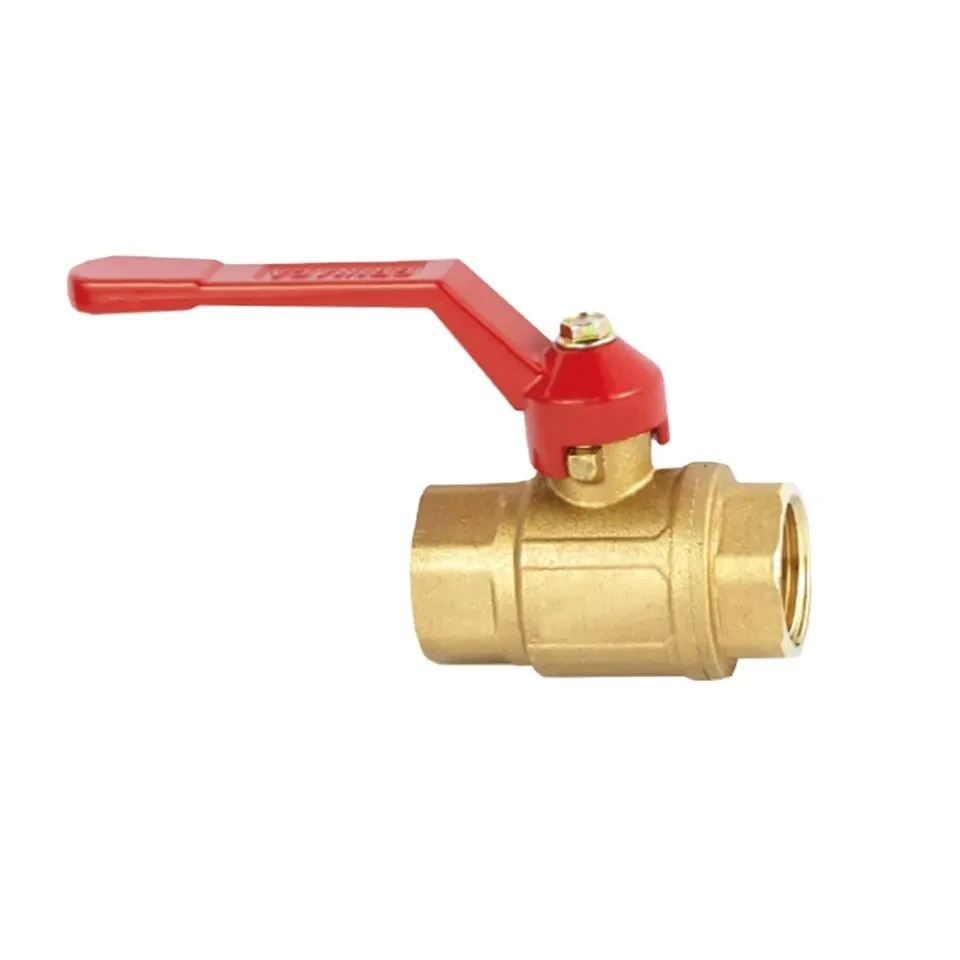
Before diving into troubleshooting, it's crucial to have a solid understanding of how a ball valve works. A ball valve consists of a spherical disc (the ball) with a hole in the middle. When the valve is open, the hole aligns with the pipeline, allowing fluid to flow through. When the valve is closed, the ball rotates 90 degrees, blocking the flow. Ball valves are known for their quick operation, tight shut-off, and durability, making them a popular choice in various industries.
Common Ball Valve Problems and Solutions
1. Leakage
Leakage is one of the most common issues with ball valves. It can occur at the valve stem, the body joints, or around the ball. Here are some possible causes and solutions:
- Loose Packing: The packing around the valve stem may have become loose over time, allowing fluid to escape. To fix this, tighten the packing gland nut gently. If the leakage persists, you may need to replace the packing material.
- Damaged Seals: The seals inside the valve, such as the O-rings or seat seals, may be worn or damaged. Inspect the seals for any signs of wear, cracks, or deformation. Replace the damaged seals with new ones of the appropriate size and material.
- Cracked Valve Body: A cracked valve body can also cause leakage. Look for visible cracks or signs of corrosion on the valve body. If a crack is detected, replace the valve immediately to prevent further damage.
2. Difficulty in Operation
If you're having trouble opening or closing the ball valve, there could be several reasons:
- Debris or Foreign Objects: Over time, debris, dirt, or foreign objects may accumulate inside the valve, preventing the ball from rotating smoothly. To fix this, try flushing the valve with clean water or a suitable cleaning solution. If the problem persists, disassemble the valve and clean the internal components thoroughly.
- Corrosion or Rust: Corrosion or rust can cause the ball and the valve seat to stick together, making it difficult to operate the valve. Apply a penetrating oil or a rust dissolver to the valve stem and the ball to loosen the corrosion. If the corrosion is severe, you may need to replace the valve.
- Worn or Damaged Stem: The valve stem may be worn or damaged, causing it to bind or break. Inspect the stem for any signs of wear, bending, or cracking. Replace the damaged stem with a new one.
3. No Flow or Reduced Flow
If there is no flow or reduced flow through the ball valve, the following issues may be to blame:
- Closed Valve: Double-check that the valve is in the open position. Sometimes, the valve may have been accidentally closed.
- Blocked Pipeline: The pipeline upstream or downstream of the valve may be blocked by debris, sediment, or a closed isolation valve. Check the pipeline for any signs of blockage and remove the obstruction if necessary.
- Damaged Ball or Seat: The ball or the valve seat may be damaged, preventing proper flow. Inspect the ball and the seat for any signs of wear, scratches, or damage. Replace the damaged components if needed.
Using the Right Tools for Troubleshooting
To troubleshoot a ball valve effectively, you'll need the right tools. Here are some essential tools for ball valve troubleshooting:
- Wrenches: A set of wrenches, including adjustable wrenches and socket wrenches, will be needed to loosen and tighten nuts and bolts.
- Screwdrivers: Phillips and flathead screwdrivers are useful for removing screws and accessing internal components.
- Penetrating Oil: Penetrating oil can help loosen rust and corrosion, making it easier to operate the valve.
- Cleaning Brushes: Cleaning brushes can be used to remove debris and dirt from the valve components.
- Seal Replacement Kit: A seal replacement kit contains all the necessary seals and gaskets for replacing worn or damaged seals.
Preventive Maintenance Tips
Preventive maintenance is key to avoiding ball valve problems. Here are some tips to keep your ball valves in good working condition:
- Regular Inspection: Inspect your ball valves regularly for any signs of wear, leakage, or damage. Look for visible cracks, corrosion, or loose connections.
- Lubrication: Lubricate the valve stem and the ball periodically to ensure smooth operation. Use a suitable lubricant recommended by the valve manufacturer.
- Proper Installation: Ensure that the ball valve is installed correctly, following the manufacturer's instructions. Use the appropriate piping materials and fittings, and make sure the valve is properly aligned.
- Avoid Over-Tightening: When tightening the packing gland nut or other components, avoid over-tightening, as this can damage the valve.
Our Ball Valve Products
As a ball valve supplier, we offer a wide range of high-quality ball valves to meet your specific needs. Our Mini Zinc Alloy Ball Valve is perfect for small-scale applications, while our Hot Selling Ball Valve is a popular choice for industrial use. We also offer Copper Gas Ball Valves for gas applications. All our ball valves are made from premium materials and are rigorously tested to ensure reliability and performance.
If you're experiencing any issues with your ball valves or need help with troubleshooting, don't hesitate to contact us. Our team of experts is always ready to assist you. Whether you're looking for a replacement valve or need advice on maintenance, we can provide you with the solutions you need. We're committed to providing our customers with the best products and services, and we look forward to working with you.

References
- "Ball Valve Handbook" - A comprehensive guide to ball valve design, operation, and maintenance.
- Manufacturer's manuals and technical specifications for ball valves.
- Industry standards and best practices for fluid control systems.