

How to select a gas brass ball valve based on temperature requirements?
Jun 03, 2025
When it comes to selecting a gas brass ball valve based on temperature requirements, there are several factors you need to take into account. As a gas brass ball valve supplier, I've seen firsthand how important it is to choose the right valve for the job. In this blog post, I'll share some tips and insights on how to make the best selection.
First off, let's talk about why temperature matters. Gas systems can operate at a wide range of temperatures, and the valve you choose needs to be able to handle those conditions. If a valve is exposed to temperatures outside of its rated range, it can lead to a variety of problems. For instance, extreme heat can cause the brass to expand, which might lead to leaks or even valve failure. On the other hand, very cold temperatures can make the brass more brittle, increasing the risk of cracks.
So, how do you figure out what temperature range your valve needs to withstand? Well, it all starts with understanding your gas system. Different types of gas applications have different temperature profiles. For example, a residential gas heating system might operate at relatively moderate temperatures, usually between 50°F and 200°F (10°C and 93°C). But an industrial gas process, like a high - temperature furnace, could reach temperatures well over 500°F (260°C).
Once you have a good idea of the temperature range in your gas system, you can start looking at the temperature ratings of different gas brass ball valves. Most manufacturers will clearly state the minimum and maximum temperatures that their valves can handle. You should always choose a valve with a temperature rating that exceeds the highest and lowest temperatures your system is likely to encounter. This gives you a safety margin and helps ensure the long - term reliability of the valve.
Now, let's get into the nitty - gritty of different types of gas brass ball valves and their temperature capabilities.
Standard Gas Brass Ball Valves
Standard gas brass ball valves are a common choice for many residential and light - commercial applications. They are typically made from high - quality brass alloys that offer good resistance to corrosion and a decent temperature range. These valves can usually handle temperatures from around -20°F to 250°F (-29°C to 121°C). They are a great option for things like home gas stoves, water heaters, and small - scale heating systems. If you're looking for a 1/2 - inch valve for such applications, you might want to check out Gas Ball Valves 1/2 Inch.
High - Temperature Gas Brass Ball Valves
For applications where temperatures are higher, you'll need a high - temperature gas brass ball valve. These valves are specially designed with alloys and manufacturing processes that allow them to withstand elevated temperatures. They can often handle temperatures up to 400°F (204°C) or even higher in some cases. High - temperature valves are commonly used in industrial settings, such as in chemical plants or power generation facilities where gas is used in high - heat processes.

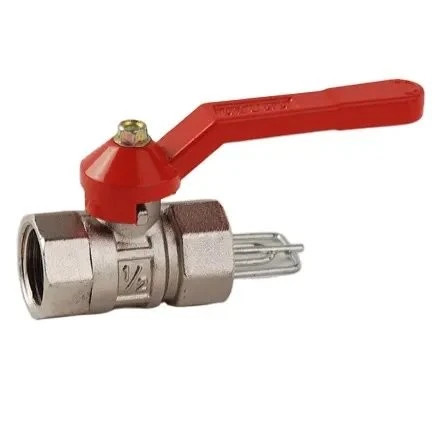
Low - Temperature Gas Brass Ball Valves
In some situations, you might need a valve that can operate in cold conditions. Low - temperature gas brass ball valves are engineered to resist the brittleness that can occur at low temperatures. They are often used in refrigeration systems or in outdoor gas installations in cold climates. These valves can typically handle temperatures as low as -40°F (-40°C).
Another aspect to consider is the type of coating or lining on the valve. Some valves come with special coatings that can enhance their temperature resistance. For example, a ceramic coating can provide additional protection against high - temperature corrosion and wear. This can be especially useful in harsh industrial environments where the gas might contain corrosive elements.
It's also important to think about the flow rate and pressure in your gas system. Temperature can affect the performance of a valve in terms of how well it controls the flow of gas. A valve that is rated for a certain flow rate and pressure at normal temperatures might not perform as well at extreme temperatures. So, make sure to consider these factors in combination with the temperature requirements.
When it comes to installation, proper installation is crucial for ensuring the valve can handle the temperature conditions. Make sure the valve is installed in a location where it won't be exposed to direct sources of heat or cold that could push it beyond its rated temperature range. Also, follow the manufacturer's installation instructions carefully to ensure a proper seal and alignment.
Maintenance is another key factor. Regular maintenance can help extend the life of the valve, especially in high - or low - temperature environments. Check for signs of wear, corrosion, or leaks on a regular basis. Lubricate the valve as recommended by the manufacturer to keep it operating smoothly.
Now, let's talk about how these gas brass ball valves compare to other types of valves. For example, a Brass Ball Water Valve is designed for use with water, and its temperature ratings and performance characteristics are different from those of a gas valve. Water valves might not be able to handle the same temperature ranges or the chemical properties of gas. Similarly, a 1/2 Inch Kitchen Ball Valve is usually designed for relatively low - pressure and low - temperature applications in a kitchen setting, so it might not be suitable for a high - temperature gas system.
In conclusion, selecting the right gas brass ball valve based on temperature requirements is essential for the safe and efficient operation of your gas system. By understanding your system's temperature range, choosing a valve with an appropriate temperature rating, considering additional features like coatings, and ensuring proper installation and maintenance, you can make a well - informed decision.
If you're in the market for a gas brass ball valve and need help with selecting the right one for your specific temperature requirements, don't hesitate to reach out. I'm here to assist you in finding the perfect valve for your gas system. Whether it's a standard valve for a home application or a high - temperature valve for an industrial process, I can provide you with the right product and advice. Let's start the conversation and get you the valve you need!
References
- Valve Manufacturers Association of America (VMAA) - Technical guides on valve performance and temperature ratings
- American Society of Mechanical Engineers (ASME) - Standards for valve design and operation in different temperature and pressure conditions