

How to select a check valve for a cryogenic application?
Nov 03, 2025
When it comes to cryogenic applications, selecting the right check valve is crucial. Cryogenic systems operate at extremely low temperatures, often below -150°C (-238°F), which presents unique challenges for valve performance. As a check valve supplier, I understand the importance of providing valves that can withstand these harsh conditions and ensure the safe and efficient operation of cryogenic systems. In this blog post, I will discuss the key factors to consider when selecting a check valve for a cryogenic application.
Understanding Cryogenic Conditions
Cryogenic applications involve the handling of liquefied gases such as nitrogen, oxygen, and helium. These gases are stored and transported at very low temperatures, which can cause significant changes in the physical properties of materials. For example, metals become more brittle at low temperatures, and elastomers can lose their flexibility and sealing properties. Therefore, it is essential to choose a check valve that is specifically designed to operate in cryogenic environments.
Material Selection
One of the most critical factors in selecting a check valve for a cryogenic application is the choice of materials. The valve body, disc, and seat materials must be able to withstand the low temperatures without losing their mechanical properties. Common materials used in cryogenic check valves include stainless steel, brass, and bronze.
- Stainless Steel: Stainless steel is a popular choice for cryogenic applications due to its excellent corrosion resistance and low thermal conductivity. It can maintain its strength and toughness at low temperatures, making it suitable for use in cryogenic systems.
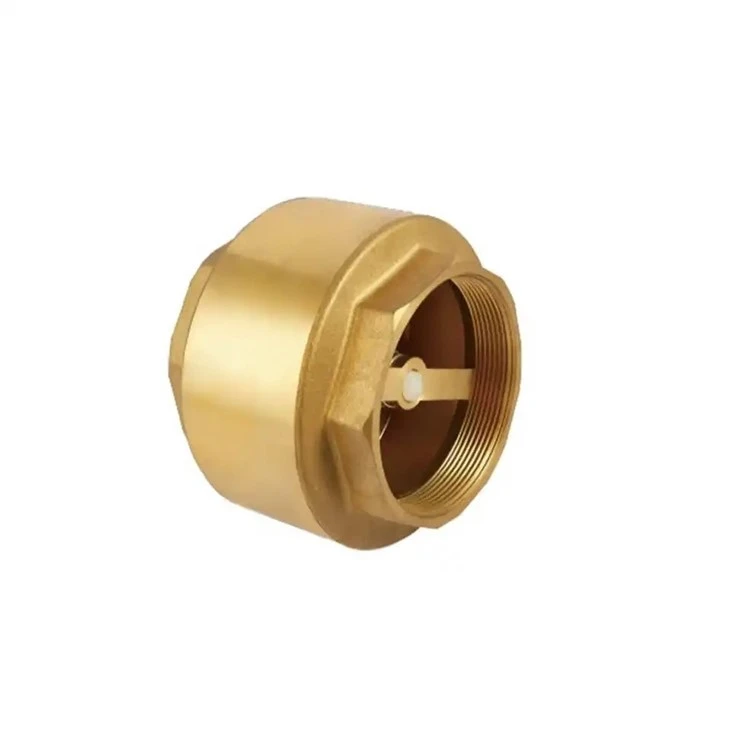
- Brass: Brass is another commonly used material in cryogenic check valves. It has good corrosion resistance and is relatively easy to machine. However, brass may not be suitable for applications where the temperature drops below -50°C (-58°F) as it can become brittle.
- Bronze: Bronze is a strong and durable material that is resistant to corrosion and wear. It is often used in cryogenic applications where high strength and reliability are required.
In addition to the valve body materials, the sealing materials must also be carefully selected. Elastomers such as Viton and Teflon are commonly used in cryogenic check valves as they can maintain their sealing properties at low temperatures. However, these materials may need to be specially formulated to withstand the extreme cold.
Valve Design
The design of the check valve is also an important consideration in cryogenic applications. The valve must be able to open and close quickly and reliably to prevent backflow and ensure the proper flow of the cryogenic fluid. There are several types of check valves available, each with its own advantages and disadvantages.
- Swing Check Valves: Swing check valves are the most common type of check valve used in cryogenic applications. They consist of a disc that swings on a hinge to allow the fluid to flow in one direction and prevent backflow. Swing check valves are relatively simple in design and are easy to install and maintain.
- Lift Check Valves: Lift check valves use a disc that is lifted off the seat to allow the fluid to flow in one direction. They are more compact than swing check valves and are suitable for applications where space is limited. However, lift check valves may require more maintenance than swing check valves.
- Ball Check Valves: Ball check valves use a ball to seal the valve opening and prevent backflow. They are highly reliable and can operate at high pressures. Ball check valves are also suitable for applications where the fluid contains solid particles or debris.
When selecting a check valve for a cryogenic application, it is important to choose a valve with a design that is suitable for the specific application. Factors such as the flow rate, pressure, and temperature of the cryogenic fluid must be taken into account.
Pressure and Temperature Ratings
The pressure and temperature ratings of the check valve are also important considerations in cryogenic applications. The valve must be able to withstand the maximum pressure and temperature that the cryogenic system will experience. It is important to choose a valve with a pressure rating that is higher than the maximum operating pressure of the system to ensure safety.
In addition to the pressure rating, the temperature rating of the check valve must also be considered. The valve must be able to operate at the minimum and maximum temperatures that the cryogenic system will experience. It is important to choose a valve with a temperature rating that is suitable for the specific application.
Flow Capacity
The flow capacity of the check valve is another important consideration in cryogenic applications. The valve must be able to handle the required flow rate of the cryogenic fluid without causing excessive pressure drop. It is important to choose a valve with a flow capacity that is suitable for the specific application.
The flow capacity of a check valve is typically expressed in terms of the valve's Cv value. The Cv value is a measure of the valve's ability to pass a given volume of fluid at a given pressure drop. It is important to choose a valve with a Cv value that is suitable for the specific application.
End Connections
The end connections of the check valve are also important considerations in cryogenic applications. The valve must be able to be easily connected to the piping system without causing leaks or other problems. Common end connections used in cryogenic check valves include flanged, threaded, and welded connections.
- Flanged Connections: Flanged connections are the most common type of end connection used in cryogenic check valves. They are easy to install and provide a reliable seal. However, flanged connections may require more space than other types of end connections.
- Threaded Connections: Threaded connections are a popular choice for small cryogenic check valves. They are easy to install and can be used in applications where space is limited. However, threaded connections may not be suitable for high-pressure applications.
- Welded Connections: Welded connections are the most reliable type of end connection used in cryogenic check valves. They provide a permanent seal and are suitable for high-pressure applications. However, welded connections require specialized equipment and skills to install.
When selecting a check valve for a cryogenic application, it is important to choose a valve with end connections that are suitable for the specific application. Factors such as the type of piping system, the pressure and temperature of the cryogenic fluid, and the installation requirements must be taken into account.
Conclusion
Selecting the right check valve for a cryogenic application is a critical decision that can have a significant impact on the performance and safety of the cryogenic system. As a check valve supplier, I can provide you with a wide range of check valves that are specifically designed for cryogenic applications. Our valves are made from high-quality materials and are designed to withstand the harsh conditions of cryogenic systems.

If you are looking for a check valve for a cryogenic application, please [contact us] to discuss your specific requirements. Our team of experts will be happy to help you select the right valve for your application and provide you with the support and service you need.
References
- ASME B16.34 - Valves - Flanged, Threaded, and Welded End
- API 6D - Pipeline Valves - Specification for Pipeline Valves
- ISO 5208 - Industrial Valves - Pressure Testing of Valves