

How to monitor the status of a ball valve for gas during operation?
May 20, 2025
Hey there! As a supplier of ball valves for gas, I've seen firsthand how crucial it is to monitor these valves during operation. In this blog, I'll share some practical tips on how to keep tabs on the status of a gas ball valve while it's in use.
Why Monitoring Matters
First off, let's talk about why we need to monitor gas ball valves. Gas systems are no joke; safety is always the top priority. A malfunctioning ball valve can lead to gas leaks, which are not only a waste of resources but can also pose serious safety hazards, like fires or explosions. By regularly monitoring the valve's status, we can catch potential issues early and prevent these dangerous situations from happening.
Visual Inspection
One of the simplest and most effective ways to monitor a gas ball valve is through visual inspection. You don't need any fancy equipment for this; just your eyes and a bit of attention to detail.
- Check for Leaks: Look around the valve for any signs of gas leakage. This could be hissing sounds, a smell of gas (many gases are odorized for safety reasons), or even frost formation on the valve body if the gas is escaping rapidly. If you notice any of these signs, it's a red flag that something's wrong.
- Inspect the Valve Body: Examine the valve body for any visible damage, such as cracks, dents, or corrosion. These can weaken the valve and affect its performance. For example, a crack in the valve body could allow gas to seep out, even if the valve is supposed to be closed.
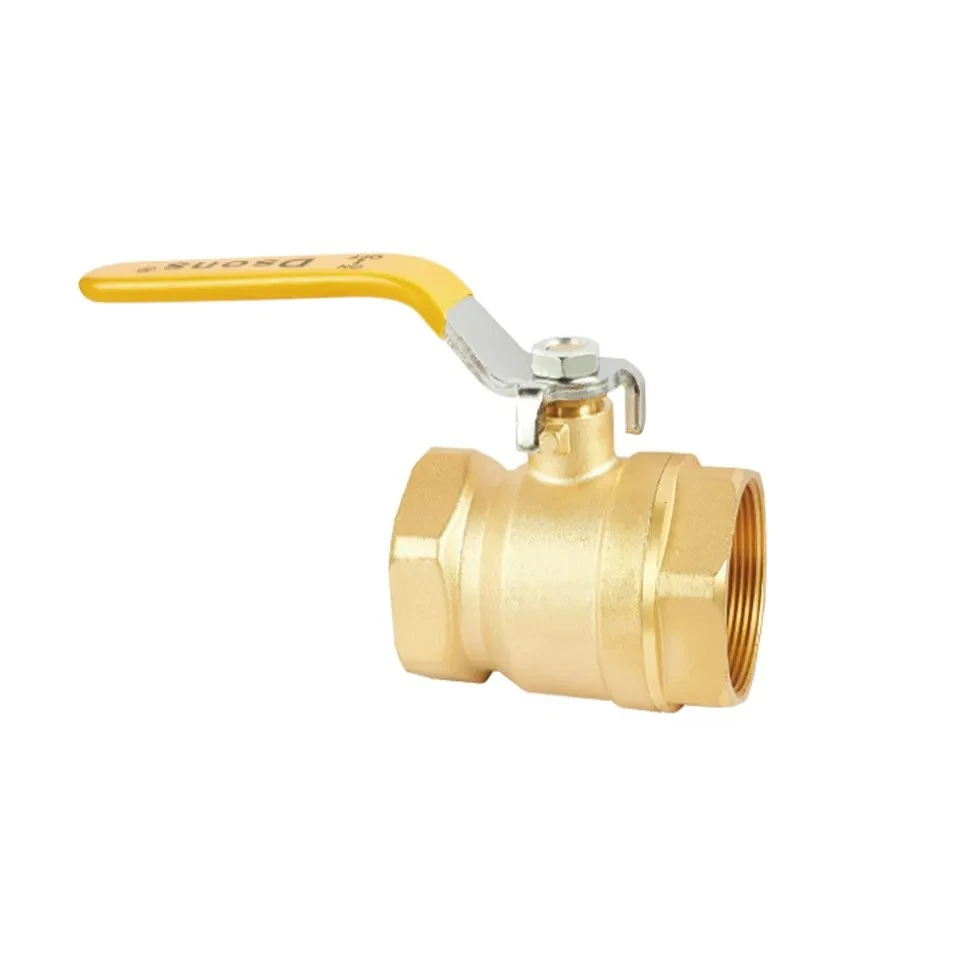
- Look at the Handle Position: The handle of a ball valve indicates its open or closed status. Make sure the handle is in the correct position according to the system's requirements. If the handle is loose or doesn't move smoothly, it could be a sign of internal damage or wear.
Pressure and Flow Monitoring
Monitoring the pressure and flow of the gas through the valve can also give you valuable insights into its status.
- Pressure Gauges: Install pressure gauges on both the inlet and outlet sides of the valve. By comparing the readings, you can determine if there's a significant pressure drop across the valve. A large pressure drop could indicate a blockage or a valve that's not fully open. For example, if you're using a Gas Ball Valve 1/2 Inch and notice a sudden increase in pressure on the inlet side with a corresponding decrease on the outlet side, it might be time to check for debris or a malfunctioning valve.
- Flow Meters: Flow meters can help you measure the rate of gas flow through the valve. If the flow rate is inconsistent or doesn't match the expected values, it could be a sign of a problem. For instance, a lower-than-normal flow rate could mean that the valve is partially blocked or that there's an issue with the upstream supply.
Temperature Monitoring
Temperature can also be an important indicator of a gas ball valve's status.
- Check for Overheating: An overheating valve could be a sign of excessive friction or a problem with the valve's internal components. Use an infrared thermometer to measure the temperature of the valve body. If the temperature is significantly higher than normal, it's worth investigating further.
- Monitor for Cold Spots: On the other hand, cold spots on the valve could indicate a gas leak. When gas escapes, it expands rapidly, which causes a drop in temperature. Look for any areas on the valve that feel colder than the surrounding environment.
Actuator Monitoring (if applicable)
Many gas ball valves are equipped with actuators, which are devices that automate the opening and closing of the valve. If your valve has an actuator, it's important to monitor its performance as well.
- Check for Proper Operation: Make sure the actuator is functioning correctly by testing its open and close functions. If the actuator is not responding properly or is making unusual noises, it could be a sign of a mechanical or electrical problem.
- Monitor the Actuator's Power Supply: If the actuator is electrically powered, check the power supply to ensure it's stable. A fluctuating power supply can cause the actuator to malfunction, which could lead to improper valve operation.
Regular Maintenance and Testing
In addition to continuous monitoring, regular maintenance and testing are essential for keeping your gas ball valves in good working condition.
- Scheduled Inspections: Set up a regular inspection schedule for your valves. This could include monthly visual inspections, quarterly pressure and flow tests, and annual maintenance checks. By following a consistent schedule, you can catch potential issues before they become major problems.
- Testing the Valve's Functionality: Periodically test the valve's open and close functions to make sure it's operating smoothly. You can do this by manually operating the valve or using the actuator if it's equipped with one. If you notice any resistance or if the valve doesn't fully open or close, it's time to take a closer look.
Using Technology for Monitoring
In today's digital age, there are many advanced technologies available that can make monitoring gas ball valves even easier and more accurate.
- Remote Monitoring Systems: Some valves can be equipped with remote monitoring systems that allow you to track the valve's status in real-time from a distance. These systems can send alerts to your phone or computer if there's a problem, so you can take immediate action.
- Smart Sensors: Smart sensors can be installed on the valve to monitor various parameters, such as pressure, temperature, and flow. These sensors can provide more detailed and accurate data than traditional monitoring methods, which can help you make more informed decisions about the valve's maintenance and operation.
Conclusion
Monitoring the status of a gas ball valve during operation is essential for ensuring the safety and efficiency of your gas system. By using a combination of visual inspection, pressure and flow monitoring, temperature monitoring, and regular maintenance, you can catch potential issues early and prevent costly repairs or dangerous situations.
If you're in the market for high-quality gas ball valves, we've got you covered. We offer a wide range of valves, including the Gas Ball Valve 1/2 Inch, Mini Zinc Alloy Ball Valve, and 1/2 Inch Brass Ball Valve. If you have any questions or are interested in purchasing our products, feel free to reach out to us for a procurement discussion.

References
- ASME B16.34 - Valves - Flanged, Threaded, and Welded End.
- API 6D - Pipeline Valves - Specification for Pipeline Valves.
- ISO 5208 - Industrial Valves - Pressure Testing of Valves.