

How to maintain gas ball valves?
Sep 23, 2025
Hey there! As a supplier of gas ball valves, I've seen my fair share of these crucial components in action. Gas ball valves are super important in many systems, from industrial setups to home appliances. They control the flow of gas, and keeping them in good shape is key for safety and efficiency. So, let's dive into how to maintain gas ball valves.
Regular Inspections
First off, regular inspections are a must. You don't want to wait for a problem to pop up before you check your valves. I'd recommend doing a visual inspection at least once a month. Look for any signs of wear and tear, like cracks, dents, or corrosion. If you spot any of these issues, it's time to take action.
Corrosion is a biggie. Gas ball valves are often exposed to harsh environments, and over time, this can lead to rust and other forms of corrosion. Check the body of the valve, the handles, and any connections. If you see corrosion, you can try cleaning it off with a wire brush or a mild abrasive. But if it's severe, you might need to replace the valve.
Another thing to look for is leaks. You can do a simple soap and water test. Mix some soap with water to create a soapy solution, and then apply it to the valve and its connections. If you see bubbles forming, that's a sign of a leak. Leaks can be dangerous, so it's important to address them right away.

Cleaning
Cleaning your gas ball valves is also important. Over time, dirt, debris, and other contaminants can build up inside the valve, which can affect its performance. You can use a soft cloth or a brush to clean the outside of the valve. For the inside, you might need to disassemble the valve carefully.
Before you start disassembling, make sure you turn off the gas supply. Safety first, right? Once you've removed the valve from the system, you can use a cleaning solution to clean the internal parts. There are many commercial cleaning solutions available, or you can use a mixture of vinegar and water. Just make sure to rinse the parts thoroughly after cleaning.
When you're putting the valve back together, make sure you reassemble it correctly. Pay attention to the orientation of the parts and make sure all the connections are tight. A loose connection can lead to leaks or other problems.
Lubrication
Lubrication is another key aspect of maintaining gas ball valves. Lubricating the valve helps to reduce friction and wear, which can extend the life of the valve. You can use a silicone-based lubricant to lubricate the valve. Apply the lubricant to the stem and the ball of the valve.
Don't over-lubricate, though. Too much lubricant can attract dirt and debris, which can actually cause more problems. Just apply a thin layer of lubricant, and then operate the valve a few times to distribute the lubricant evenly.
Storage
If you're not using your gas ball valves for a while, proper storage is important. Store the valves in a dry, clean place. Avoid storing them in areas where they might be exposed to moisture, heat, or other harsh conditions.
You can also protect the valves by wrapping them in a plastic bag or a protective cover. This can help to prevent dust and debris from accumulating on the valve.
Replacement of Worn Parts
Even with proper maintenance, some parts of the gas ball valve will eventually wear out. For example, the seals and gaskets can become brittle over time and lose their ability to seal properly. When you notice that these parts are worn, it's important to replace them.
You can find replacement parts for most gas ball valves at hardware stores or online. Make sure you get the right parts for your valve. Using the wrong parts can lead to leaks or other problems.
Operating the Valve Properly
How you operate the gas ball valve also affects its lifespan. Don't force the valve open or closed. If you're having trouble operating the valve, it might be a sign of a problem. Stop and check for any issues before you continue.
Also, make sure you operate the valve slowly. Quick opening or closing can cause damage to the valve and its internal parts.
Now, let's talk about some of the gas ball valves we offer. We have a great selection of Gas Ball Valve 1/2 Inch. These valves are perfect for smaller applications, like home appliances. They're made of high-quality materials and are designed to last.
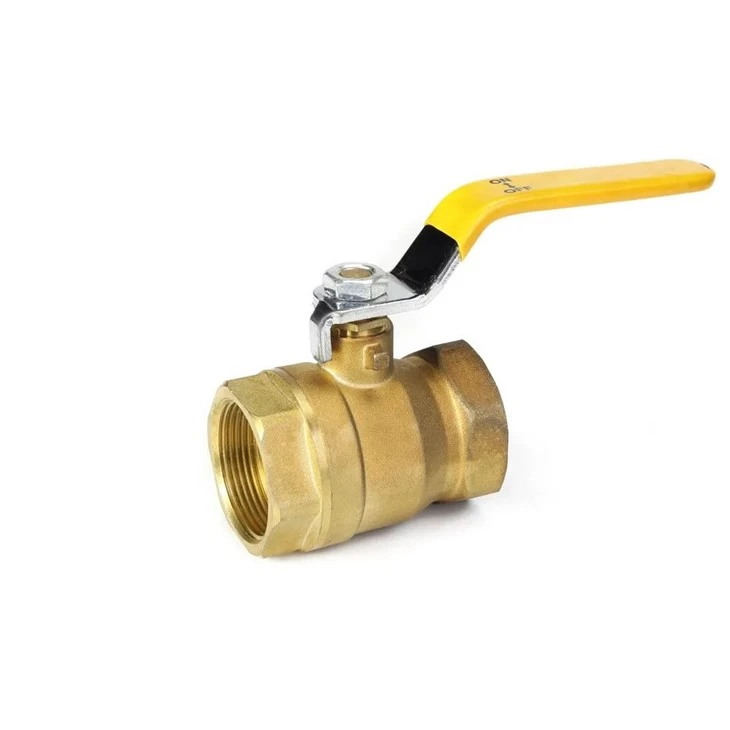
We also have Brass Ball Valve. Brass is a popular choice for gas ball valves because it's corrosion-resistant and durable. Our brass ball valves are available in different sizes, including 1 Inch Brass Ball Valves.
If you're in the market for gas ball valves or need more information about maintaining them, don't hesitate to reach out. We're here to help you find the right valves for your needs and to ensure that they last as long as possible. Contact us for a purchase negotiation, and let's work together to keep your gas systems running smoothly.
References
- "Gas Valve Maintenance Guide" - Industry Standard Handbook
- "Safety Measures for Gas Ball Valves" - National Gas Safety Association Publication