

How to maintain a gas brass ball valve?
Jul 25, 2025
Maintaining a gas brass ball valve is crucial for ensuring its longevity, safety, and optimal performance. As a trusted Gas Brass Ball Valve supplier, I understand the significance of proper maintenance. In this blog, I will share comprehensive insights on how to maintain a gas brass ball valve effectively.
Understanding Gas Brass Ball Valves
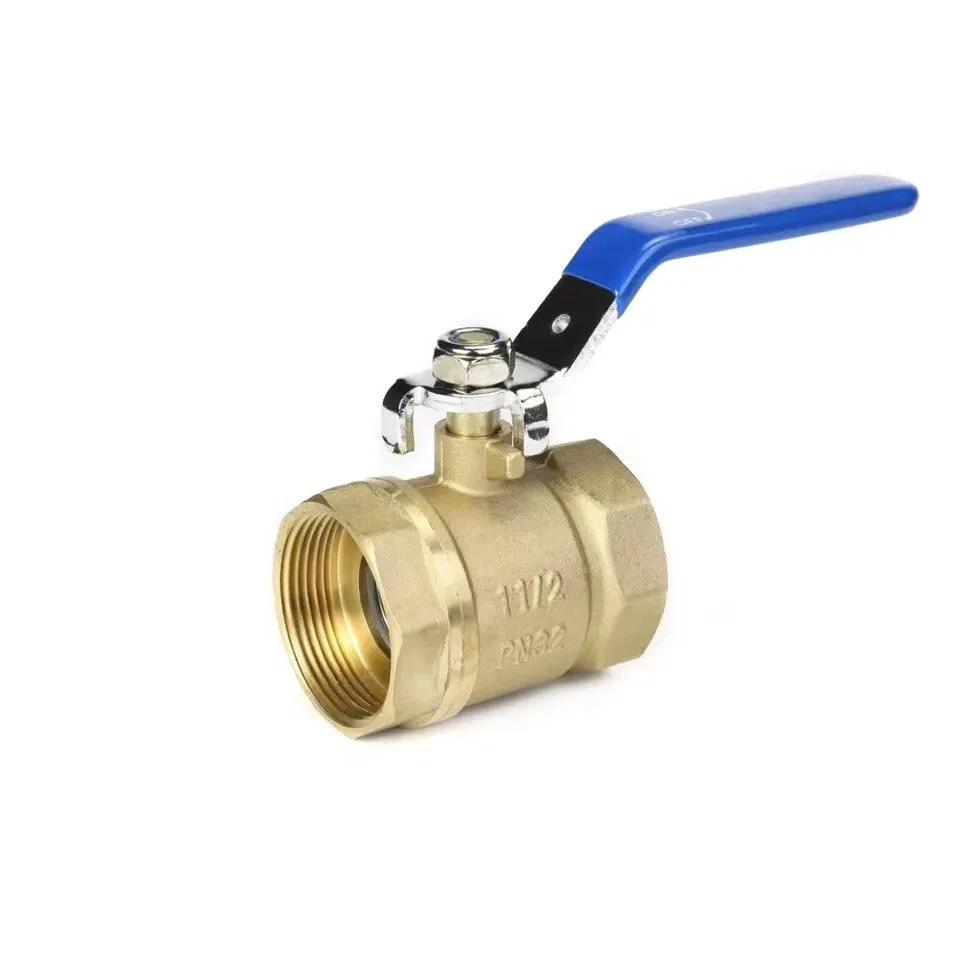
Before delving into maintenance, it's essential to understand the basic components and functionality of gas brass ball valves. These valves consist of a brass body, a ball with a hole in the middle, and two seats. The ball rotates within the seats to control the flow of gas. When the hole in the ball aligns with the pipeline, the valve is open, allowing gas to flow. When the ball is rotated 90 degrees, the hole is perpendicular to the pipeline, shutting off the gas flow.
Regular Inspection
Regular inspection is the first step in maintaining a gas brass ball valve. Inspect the valve visually for any signs of damage, such as cracks, leaks, or corrosion. Check the valve handle to ensure it rotates smoothly without any resistance. If you notice any abnormal movement or signs of wear, it may indicate a problem that needs to be addressed promptly.
Inspect the valve packing and seals for any signs of leakage. Leaking seals can lead to gas leakage, which is a serious safety hazard. If you detect any leaks, tighten the packing nuts or replace the seals as necessary. It's also important to check the valve connections for tightness. Loose connections can cause gas leaks and affect the valve's performance.
Cleaning
Cleaning the gas brass ball valve regularly helps prevent the buildup of dirt, debris, and corrosion. Use a soft brush or cloth to remove any dirt or debris from the valve body and handle. Avoid using abrasive materials that can scratch the brass surface. If the valve is heavily soiled, you can use a mild detergent and water solution to clean it. Rinse the valve thoroughly with clean water and dry it completely before reinstalling it.
Clean the ball and seats of the valve to ensure smooth operation. Use a non-abrasive cleaner and a soft brush to remove any deposits or contaminants from the ball and seats. Make sure to clean both sides of the ball and the seats to ensure proper sealing. After cleaning, lubricate the ball and seats with a suitable lubricant to reduce friction and prevent wear.
Lubrication
Lubrication is essential for maintaining the smooth operation of a gas brass ball valve. Apply a small amount of lubricant to the ball and seats to reduce friction and prevent wear. Use a lubricant that is compatible with brass and gas. Avoid using lubricants that contain silicone or other substances that can damage the valve.
Apply the lubricant to the valve stem and handle to ensure smooth rotation. Make sure to lubricate the packing nuts and seals to prevent leakage. Lubricate the valve regularly, especially if it is used frequently or in harsh environments.
Pressure Testing
Periodically pressure testing the gas brass ball valve is important to ensure its safety and performance. Use a pressure testing device to check the valve's pressure rating and leakage rate. Follow the manufacturer's instructions for pressure testing the valve. If the valve fails the pressure test, it may need to be repaired or replaced.
Storage
If the gas brass ball valve is not in use, store it properly to prevent damage. Store the valve in a dry, clean place away from direct sunlight and moisture. Make sure to protect the valve from physical damage and corrosion. If the valve is stored for an extended period, lubricate it before storing it to prevent rust and corrosion.
Troubleshooting
If you encounter any problems with the gas brass ball valve, such as leaks, difficulty in operation, or abnormal noise, troubleshoot the issue promptly. Check the valve for any signs of damage or wear. If the valve is damaged, replace the damaged parts or the entire valve as necessary. If the valve is difficult to operate, check the lubrication and make sure the valve is properly installed. If the valve makes abnormal noise, check for any loose connections or debris in the valve.
Importance of Professional Maintenance
While regular maintenance can help prevent many problems with gas brass ball valves, it's also important to have the valve professionally maintained periodically. A professional technician can perform a comprehensive inspection of the valve, including pressure testing and leak detection. They can also identify any potential problems and recommend the appropriate repairs or replacements.
Professional maintenance can help ensure the safety and performance of the gas brass ball valve. It can also extend the valve's lifespan and reduce the risk of costly repairs or replacements. If you are unsure how to maintain the gas brass ball valve or if you encounter any problems, it's best to consult a professional technician.

Conclusion
Maintaining a gas brass ball valve is essential for ensuring its safety, performance, and longevity. By following the tips outlined in this blog, you can effectively maintain your gas brass ball valve and prevent many common problems. Regular inspection, cleaning, lubrication, pressure testing, and proper storage are all important aspects of valve maintenance. If you encounter any problems with the valve, troubleshoot the issue promptly or consult a professional technician.
As a Gas Brass Ball Valve supplier, I offer a wide range of high-quality ball valves, including Hot Selling Ball Valves, Ball Valves, and PPR Ball Valve. If you are interested in purchasing gas brass ball valves or need more information about valve maintenance, please feel free to contact me for procurement discussions.
References
- Valve Handbook, by Nathaniel H. Chisholm
- ASME B16.34 - Valves - Flanged, Threaded, and Welded End
- API 6D - Pipeline Valves - Specification for Pipeline Valves