

How to improve the energy efficiency of a ball valve?
Dec 19, 2025
Hey there! As a ball valve supplier, I've seen firsthand how crucial energy efficiency is in today's world. Not only does it save money, but it also helps the environment. So, I'm here to share some tips on how to improve the energy efficiency of a ball valve.
1. Choose the Right Ball Valve
The first step in improving energy efficiency is to select the right ball valve for your application. Different types of ball valves have different characteristics that can affect energy consumption.
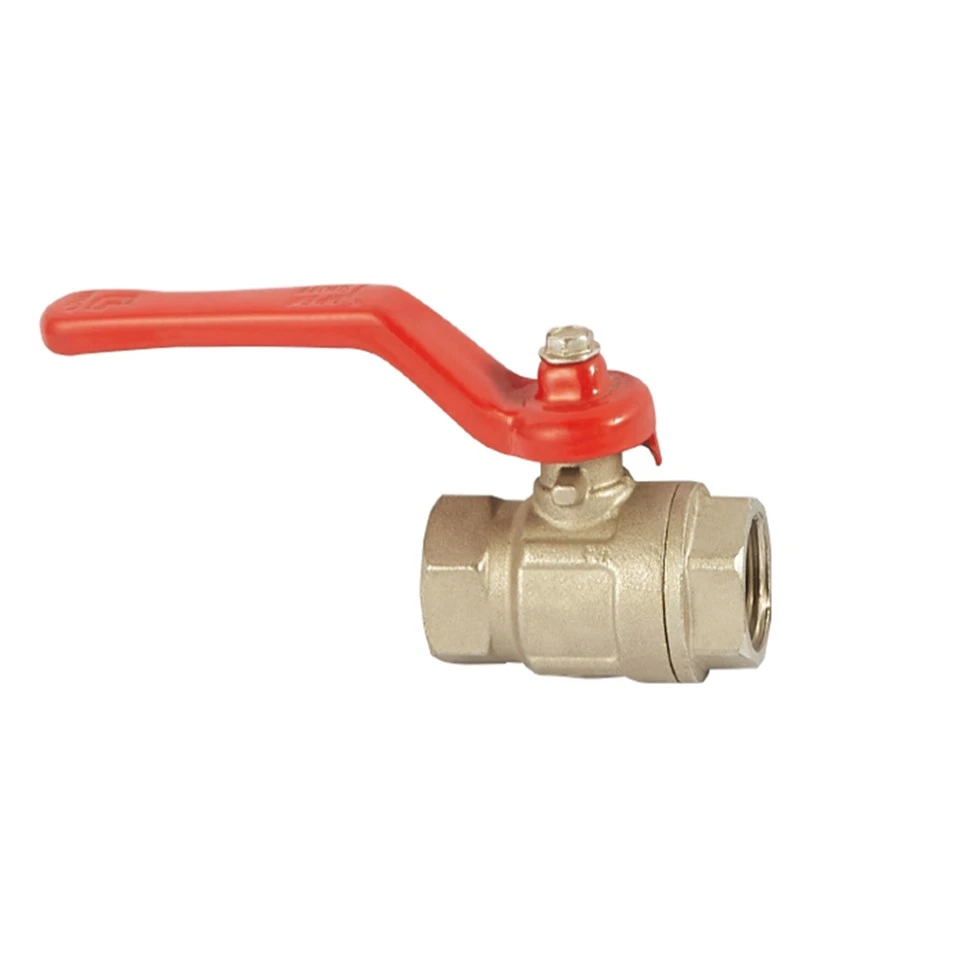
- Brass Ball Water Valve: These valves are great for water applications. They're durable and have a low friction coefficient, which means less energy is needed to open and close them. You can check out our Brass Ball Water Valve for more details.
- Brass Angle Ball Cock Valve: Angle ball cock valves are designed for specific flow directions. They can be more energy - efficient in systems where the flow needs to be redirected at an angle. Take a look at our Brass Angle Ball Cock Valve to see if it's a good fit for you.
- Welding Ball Valve: Welding ball valves are often used in high - pressure and high - temperature applications. They provide a tight seal, reducing the risk of leakage, which can waste a lot of energy. Check out our Welding Ball Valve for high - performance options.
When choosing a ball valve, consider factors like the flow rate, pressure, temperature, and the type of fluid being controlled. A valve that's too small for the application will require more energy to operate, while a valve that's too large can lead to inefficiencies.
2. Proper Installation
Proper installation is key to ensuring the energy efficiency of a ball valve. Here are some installation tips:
- Alignment: Make sure the valve is properly aligned with the pipeline. Misaligned valves can cause turbulence in the fluid flow, increasing energy consumption.
- Sealing: Use high - quality seals during installation. A leaky valve can waste a significant amount of energy, especially in systems with high - pressure fluids.
- Support: Provide adequate support for the valve and the pipeline. Vibrations can cause the valve to wear out faster and may also lead to energy losses.
3. Regular Maintenance
Regular maintenance is essential for keeping a ball valve operating at peak energy efficiency. Here's what you should do:

- Inspection: Periodically inspect the valve for signs of wear, corrosion, or damage. Look for leaks around the valve body, stem, and seals.
- Lubrication: If the valve has moving parts, lubricate them regularly. This reduces friction and makes it easier to open and close the valve, saving energy.
- Cleaning: Clean the valve to remove any debris or buildup that could obstruct the flow. A clean valve allows for a smoother flow of fluid, reducing energy consumption.
4. Optimize Valve Operation
How you operate the ball valve can also have a big impact on energy efficiency. Here are some tips:
- Avoid Partial Opening: Ball valves are designed to be either fully open or fully closed. Partial opening can cause the fluid to flow through a restricted area, creating turbulence and increasing energy consumption.
- Automate if Possible: In some applications, automating the valve operation can lead to significant energy savings. Automated valves can be programmed to open and close at the optimal times, reducing energy waste.
- Monitor and Control: Use sensors and control systems to monitor the valve's performance. This allows you to make adjustments in real - time to optimize energy efficiency.
5. Upgrade to Energy - Efficient Designs
Advancements in valve technology have led to the development of more energy - efficient ball valve designs. Consider upgrading your existing valves to these new designs:
- Low - Torque Valves: Low - torque valves require less force to open and close, which means less energy is needed to operate them.
- Smart Valves: Smart valves are equipped with sensors and communication capabilities. They can adjust their operation based on real - time data, optimizing energy use.
6. System Integration
Integrating the ball valve into the overall system can also improve energy efficiency. Here's how:
- Flow Control Optimization: Work with other components in the system, such as pumps and regulators, to optimize the flow control. This can help reduce the overall energy consumption of the system.
- Energy Recovery: In some systems, it's possible to recover energy from the fluid flow. For example, using a turbine to generate electricity from the flowing fluid. The ball valve can be part of a system designed to maximize this energy recovery.
7. Training and Education
Make sure your staff is properly trained on how to operate and maintain the ball valves. A well - trained team can identify and address energy - efficiency issues quickly. Provide training on valve selection, installation, maintenance, and operation.
Conclusion
Improving the energy efficiency of a ball valve is a multi - faceted process that involves choosing the right valve, proper installation, regular maintenance, optimized operation, and system integration. By following these tips, you can reduce your energy costs, extend the lifespan of your valves, and contribute to a more sustainable future.
If you're interested in learning more about our ball valves or have any questions about improving energy efficiency, don't hesitate to reach out. We're here to help you find the best solutions for your needs. Whether you're looking for a Brass Ball Water Valve, a Brass Angle Ball Cock Valve, or a Welding Ball Valve, we've got you covered. Contact us today to start a discussion about your ball valve requirements and how we can help you improve energy efficiency.
References
- Valve Handbook, 4th Edition by J. S. T. Smith
- Energy Efficiency in Industrial Valves: A Guide by the Department of Energy