

How to ensure the long - term reliability of a copper ball valve?
Jul 16, 2025
As a supplier of copper ball valves, ensuring the long - term reliability of these essential components is not only a technical challenge but also a commitment to our customers. In this blog, I will share some key strategies and practices that we follow to guarantee the long - term reliability of copper ball valves.
Material Selection
The foundation of a reliable copper ball valve lies in the quality of its materials. Copper is an excellent choice for ball valves due to its corrosion resistance, durability, and good thermal conductivity. When selecting copper for our ball valves, we source high - grade copper alloys that are specifically formulated for valve applications. These alloys are carefully tested to ensure they meet strict industry standards for chemical composition, mechanical properties, and corrosion resistance.
For instance, we use a copper alloy with a high percentage of copper content, which provides excellent resistance to oxidation and dezincification. Dezincification is a common problem in copper alloys where zinc is leached out, leaving the valve vulnerable to corrosion and failure. By using a high - quality alloy, we minimize the risk of dezincification and ensure the long - term integrity of the valve.
In addition to the main body of the valve, we also pay close attention to the materials used for other components such as the ball, stem, and seats. The ball is typically made of a hard - wearing material such as stainless steel or brass, which provides a smooth and reliable sealing surface. The stem is designed to be strong and resistant to bending or breakage, and the seats are made of a resilient material that can withstand repeated opening and closing cycles without losing its sealing properties.
Manufacturing Process
The manufacturing process plays a crucial role in determining the reliability of a copper ball valve. At our facility, we use state - of - the - art manufacturing techniques and equipment to ensure the highest level of precision and quality control.
The first step in the manufacturing process is the casting of the valve body. We use a precision casting method that allows us to create complex shapes with tight tolerances. This ensures that the valve body is structurally sound and free from defects such as porosity or cracks. After casting, the valve body undergoes a series of machining operations to achieve the required dimensions and surface finish.
The ball and stem are also machined to high precision to ensure a perfect fit and smooth operation. The seats are carefully formed and ground to provide a tight seal against the ball. All components are then thoroughly cleaned and inspected to remove any debris or contaminants before assembly.
During the assembly process, we follow strict procedures to ensure that all components are correctly installed and tightened to the appropriate torque. We use specialized tools and equipment to ensure the accuracy of the assembly, and each valve is tested to ensure it meets our performance standards. This includes pressure testing to check for leaks and functional testing to ensure the valve opens and closes smoothly.
Quality Control
Quality control is an integral part of our manufacturing process. We have a comprehensive quality control system in place that covers every stage of production, from raw material inspection to final product testing.
All incoming raw materials are inspected to ensure they meet our specifications. This includes chemical analysis, mechanical testing, and visual inspection. Any materials that do not meet our standards are rejected and returned to the supplier.
During the manufacturing process, we conduct regular in - process inspections to monitor the quality of the components. This includes dimensional checks, surface finish inspections, and non - destructive testing such as ultrasonic testing or X - ray inspection to detect any internal defects.
Once the valve is assembled, it undergoes a final inspection and testing. We test each valve for pressure - tightness, flow rate, and operating torque. Valves that do not pass our tests are either reworked or scrapped. We also keep detailed records of all inspections and tests to ensure traceability and quality assurance.
Maintenance and Installation
Proper maintenance and installation are essential for ensuring the long - term reliability of a copper ball valve. When installing a copper ball valve, it is important to follow the manufacturer's instructions carefully. This includes using the correct tools and techniques, ensuring proper alignment, and tightening the connections to the appropriate torque.
We provide our customers with detailed installation and maintenance manuals that include step - by - step instructions, diagrams, and safety precautions. Our technical support team is also available to answer any questions and provide assistance during the installation process.
Regular maintenance is also important to keep the valve in good working condition. This includes cleaning the valve periodically to remove any dirt or debris, lubricating the moving parts, and checking for any signs of wear or damage. If any problems are detected, they should be addressed immediately to prevent further damage and ensure the continued reliability of the valve.

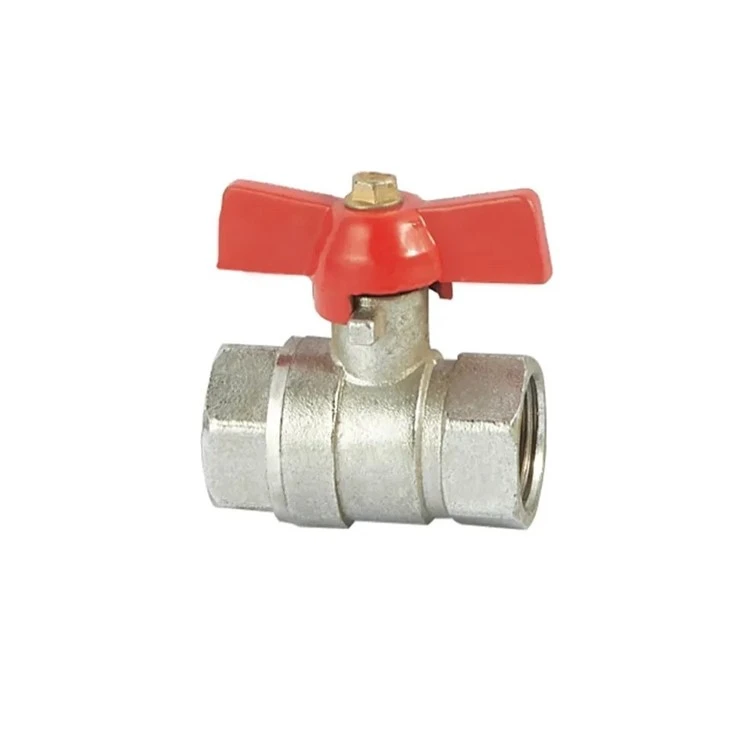
Comparison with Other Types of Ball Valves
In the market, there are various types of ball valves available, such as Zinc Alloy Ball Valve, Gas Ball Valves 1/2 Inch, and PPR Ball Valve. While each type has its own advantages, copper ball valves offer several unique benefits in terms of long - term reliability.
Zinc alloy ball valves are generally more affordable, but they may be more prone to corrosion compared to copper ball valves. Gas ball valves 1/2 inch are designed specifically for gas applications, and copper ball valves can also be used in such applications with proper certification. PPR ball valves are commonly used in plumbing systems with plastic pipes, but copper ball valves provide better durability and are more suitable for high - pressure and high - temperature applications.
Conclusion
Ensuring the long - term reliability of a copper ball valve requires a combination of high - quality materials, precise manufacturing processes, strict quality control, and proper maintenance and installation. As a supplier, we are committed to providing our customers with the highest quality copper ball valves that meet their needs and exceed their expectations.
If you are in the market for reliable copper ball valves or have any questions about our products, please feel free to contact us for more information. We look forward to the opportunity to discuss your requirements and provide you with the best solutions for your projects.
References
- Valve Handbook, Valve Manufacturers Association.
- Standards for Ball Valves, American National Standards Institute.
- Research on Corrosion Resistance of Copper Alloys in Valve Applications, Journal of Materials Science and Engineering.