

How to diagnose the failure of a welding ball valve?
Jul 07, 2025
As a seasoned supplier of welding ball valves, I understand the critical role these components play in various industrial applications. A malfunctioning welding ball valve can disrupt operations, leading to costly downtime and potential safety hazards. Therefore, it is essential to diagnose valve failures accurately and promptly. In this blog post, I will share some practical tips on how to diagnose the failure of a welding ball valve.
Understanding the Basics of Welding Ball Valves
Before diving into the diagnosis process, it's important to have a basic understanding of how welding ball valves work. A welding ball valve consists of a ball with a hole in the center, which is positioned inside a valve body. When the valve is open, the hole in the ball aligns with the flow path, allowing fluid or gas to pass through. When the valve is closed, the ball rotates 90 degrees, blocking the flow path.
Welding ball valves are commonly used in pipelines for their reliable sealing performance, low flow resistance, and long service life. They are often welded directly onto the pipeline, eliminating the need for flanges and reducing the risk of leakage.
Common Causes of Welding Ball Valve Failure
There are several factors that can cause a welding ball valve to fail. Understanding these common causes can help you narrow down the possible issues during the diagnosis process.
1. Sealing Failure
One of the most common causes of welding ball valve failure is sealing failure. This can occur due to several reasons, such as wear and tear of the sealing materials, improper installation, or contamination of the sealing surfaces. Over time, the sealing materials can degrade, leading to leaks. Improper installation, such as incorrect torque on the bolts or misalignment of the valve, can also cause sealing problems.
2. Ball and Stem Damage
The ball and stem of a welding ball valve can be damaged due to factors like corrosion, erosion, or mechanical stress. Corrosion can weaken the material of the ball and stem, making them more prone to breakage. Erosion, caused by the flow of abrasive fluids or gases, can wear down the surface of the ball and stem, affecting their performance. Mechanical stress, such as excessive torque during operation, can also cause damage to the ball and stem.
3. Actuator Failure
If the welding ball valve is equipped with an actuator, actuator failure can also lead to valve malfunction. Actuators can fail due to electrical problems, mechanical failures, or improper calibration. For example, a faulty motor in an electric actuator can prevent the valve from opening or closing properly.
4. Contamination
Contamination of the valve internals can cause blockages and affect the smooth operation of the valve. Foreign particles, such as dirt, sand, or debris, can enter the valve and get stuck in the ball or the sealing surfaces. This can prevent the valve from closing completely or cause excessive wear on the components.
Diagnostic Steps for Welding Ball Valve Failure
Now that we have identified the common causes of welding ball valve failure, let's discuss the diagnostic steps you can take to pinpoint the problem.
1. Visual Inspection
The first step in diagnosing a welding ball valve failure is to conduct a visual inspection. Check the valve for any obvious signs of damage, such as cracks, leaks, or corrosion. Look at the sealing surfaces for any signs of wear or damage. Inspect the actuator (if present) for any visible faults, such as loose connections or damaged parts.
2. Check the Operating Conditions
Review the operating conditions of the valve. Consider factors such as the pressure, temperature, and flow rate of the fluid or gas passing through the valve. Extreme operating conditions can put additional stress on the valve and increase the likelihood of failure. For example, if the valve is operating at a higher pressure than its rated capacity, it may be more prone to sealing failure.

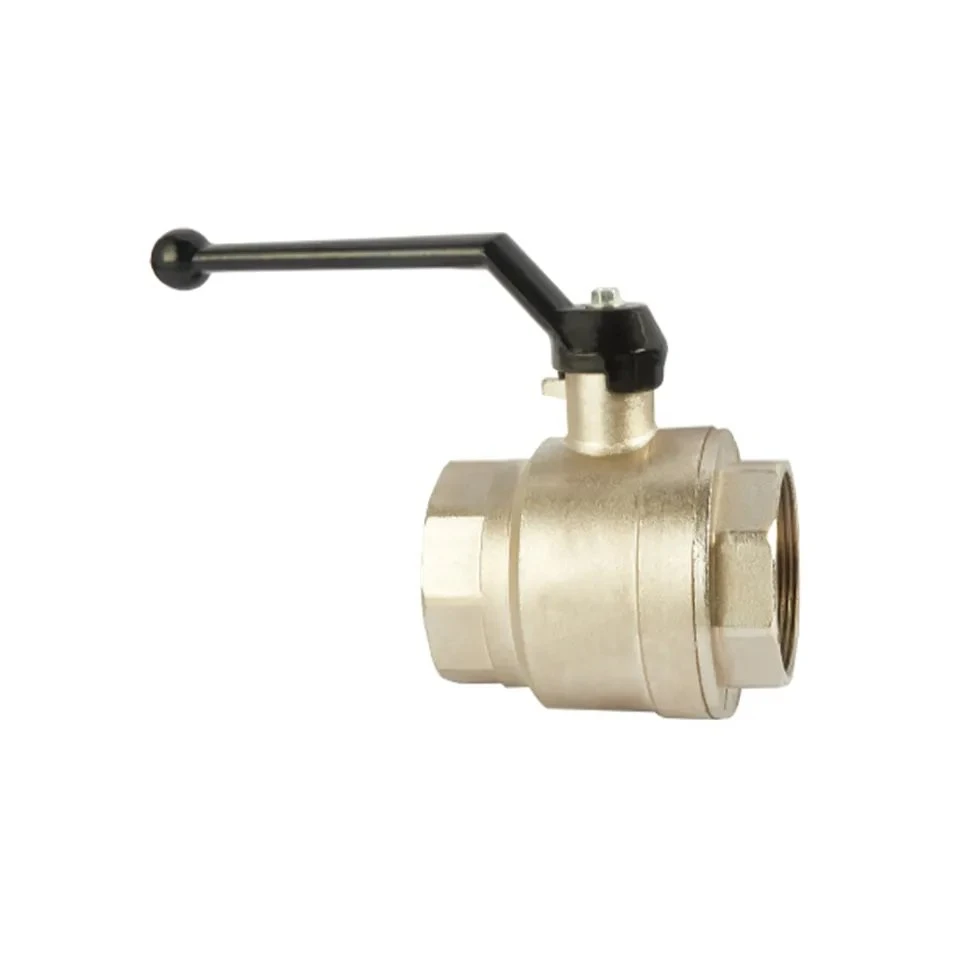
3. Test the Valve Operation
If possible, test the operation of the valve. Try to open and close the valve manually or using the actuator. Pay attention to any unusual noises, resistance, or difficulty in operation. If the valve is not opening or closing smoothly, it could indicate a problem with the ball, stem, or actuator.
4. Check the Sealing Performance
To check the sealing performance of the valve, you can perform a pressure test. Isolate the valve and apply pressure to the upstream side of the valve. Monitor the downstream side for any signs of leakage. If there is a leak, it indicates a sealing problem. You can also use a leak detection solution to identify the location of the leak more accurately.
5. Inspect the Actuator
If the valve is equipped with an actuator, inspect the actuator thoroughly. Check the electrical connections for any loose or damaged wires. Test the actuator's functionality by operating it manually or using the control system. If the actuator is not working properly, it may need to be repaired or replaced.
6. Analyze the Contamination
If you suspect contamination is the cause of the valve failure, collect a sample of the fluid or gas passing through the valve. Analyze the sample to identify the type and source of the contamination. This can help you determine the appropriate measures to prevent future contamination.
Preventive Maintenance and Replacement
Once you have diagnosed the problem with the welding ball valve, you can take appropriate measures to address it. In some cases, minor issues can be resolved through preventive maintenance, such as cleaning the valve internals, replacing the sealing materials, or lubricating the moving parts. However, if the valve is severely damaged, it may need to be replaced.
As a supplier of welding ball valves, we offer a wide range of high-quality valves to meet your specific needs. Our product portfolio includes Brass Ball Valve, Hot Selling Ball Valves, and Quick Open Zinc Alloy Ball Valve. We also provide professional technical support and maintenance services to ensure the reliable operation of your valves.
If you are experiencing problems with your welding ball valves or are looking for a reliable valve supplier, please feel free to contact us. Our team of experts will be happy to assist you with your valve selection, installation, and maintenance needs. We are committed to providing you with the best products and services to help you achieve optimal performance and efficiency in your operations.
References
- "Valve Handbook" by David W. Miller
- "Industrial Valves: Selection and Sizing" by M. A. Miller
- Technical literature from valve manufacturers