

How to choose the right sprinkler valve?
Aug 08, 2025
Hey there! As a supplier of sprinkler valves, I've seen firsthand how crucial it is to choose the right one for your needs. Whether you're setting up a residential garden irrigation system or a commercial fire protection setup, getting the valve selection right can save you a lot of headaches down the line. So, let's dive into how you can pick the perfect sprinkler valve.
Understanding Your Needs
First things first, you gotta figure out what you need the sprinkler valve for. Are you looking to water your lawn and flower beds regularly? Or is it for a fire suppression system in a building?
For regular garden irrigation, you'll need valves that can handle the water pressure and flow rate required for your sprinkler heads. You'll also want to consider how often you'll be using the system. If it's just a few times a week, a basic valve might do the trick. But if you have a large garden or a complex irrigation setup, you might need something more advanced.
On the other hand, if you're dealing with a fire protection system, the stakes are much higher. You need valves that are reliable, durable, and can withstand high-pressure situations. Fire water sprinkler valves, like the ones you can find here, are designed specifically for these critical applications.
Types of Sprinkler Valves
There are several types of sprinkler valves out there, and each has its own pros and cons.
Solenoid Valves
These are the most common type of valves used in irrigation systems. They work by using an electric current to open and close the valve. Solenoid valves are easy to install and control, and they're relatively inexpensive. You can find a wide range of solenoid Sprinkler Valves on the market.
The main advantage of solenoid valves is their speed. They can open and close quickly, which is great for systems that require precise water control. However, they do rely on electricity, so if there's a power outage, they won't work.
Ball Valves
Ball valves are another popular option, especially for larger irrigation systems. They have a spherical disc that rotates to control the flow of water. Ball valves are known for their durability and reliability. They can handle high pressures and are less likely to leak compared to other types of valves.
One drawback of ball valves is that they can be a bit more difficult to install and operate. They also tend to be more expensive than solenoid valves.
Gate Valves
Gate valves are typically used in situations where you need to completely shut off the water flow. They have a gate that moves up and down to control the flow. Gate valves are simple and reliable, but they're not designed for frequent on-off operation.
If you need to make small adjustments to the water flow, gate valves might not be the best choice. They're more suited for applications where you need a full open or full closed position.
Factors to Consider
Now that you know the different types of valves, let's talk about some other factors you should consider when choosing a sprinkler valve.
Water Pressure and Flow Rate
The water pressure and flow rate of your system are crucial factors. You need to make sure the valve you choose can handle the pressure and flow required for your sprinkler heads. If the pressure is too high, it can damage the valve or cause leaks. If the flow rate is too low, your sprinkler heads might not work properly.
You can usually find the recommended pressure and flow rate for your sprinkler heads in the product manual. Make sure to choose a valve that can meet these requirements.
Size
The size of the valve is also important. You need to choose a valve that fits the diameter of your pipes. If the valve is too small, it can restrict the water flow. If it's too large, it might not seal properly and could cause leaks.
Most valves are labeled with their size, so make sure to check this before making a purchase.
Material
The material of the valve can affect its durability and performance. For garden irrigation systems, plastic valves are often a good choice. They're lightweight, inexpensive, and resistant to corrosion.
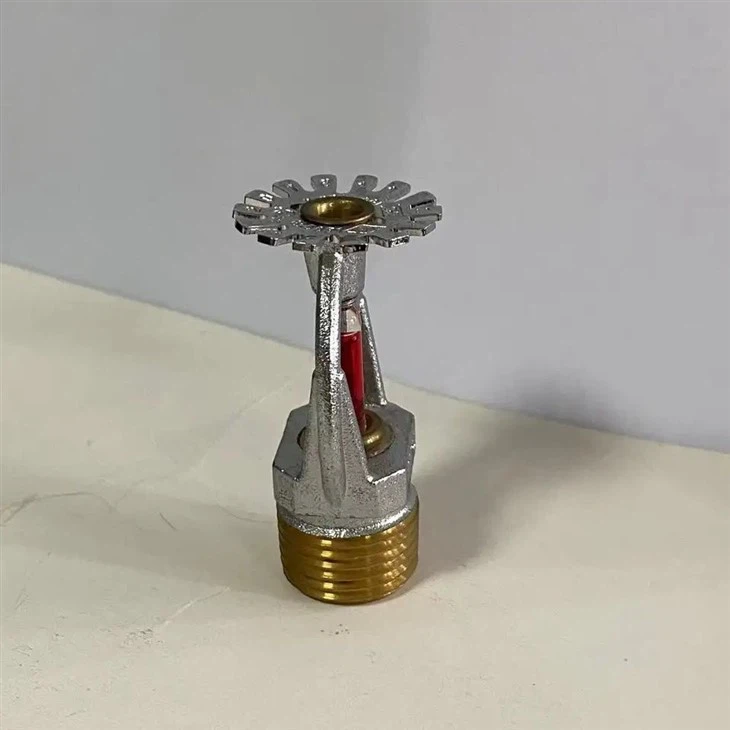

However, for fire protection systems, you'll want to use more durable materials like brass. Brass Fire Sprinkler Valves are known for their strength and reliability. They can withstand high pressures and are less likely to corrode over time.
Compatibility
Make sure the valve you choose is compatible with your existing system. This includes the type of controller you're using, as well as the other components of your irrigation or fire protection system.
If you're not sure about compatibility, it's always a good idea to consult with a professional or the manufacturer of the valve.
Installation and Maintenance
Once you've chosen the right valve, it's important to install and maintain it properly.
Installation
Installation can vary depending on the type of valve and your system. Make sure to follow the manufacturer's instructions carefully. If you're not comfortable installing the valve yourself, it's best to hire a professional.
Proper installation is crucial to ensure the valve works correctly and doesn't leak.
Maintenance
Regular maintenance is also important to keep your valve in good working condition. This includes checking for leaks, cleaning the valve, and lubricating any moving parts.
Make sure to follow the maintenance schedule recommended by the manufacturer. This can help extend the life of your valve and prevent costly repairs.
Conclusion
Choosing the right sprinkler valve is an important decision that can have a big impact on the performance of your irrigation or fire protection system. By understanding your needs, considering the different types of valves, and taking into account factors like water pressure, size, material, and compatibility, you can make an informed choice.
If you're still not sure which valve is right for you, don't hesitate to reach out. As a sprinkler valve supplier, I'm here to help you find the perfect solution for your needs. Whether you're looking for a simple solenoid valve for your garden or a high-quality brass fire sprinkler valve for a commercial building, we've got you covered.
Let's start a conversation about your requirements and find the best sprinkler valve for you. Contact us today to begin the procurement discussion and get your project on the right track.
References
- Irrigation Association - "Best Practices for Sprinkler Valve Selection"
- National Fire Protection Association - "Standards for Fire Sprinkler Systems"