

How does the temperature affect the performance of a brass ball valve?
Aug 11, 2025
Temperature is a critical environmental factor that can significantly influence the performance of various industrial components, and brass ball valves are no exception. As a trusted supplier of brass ball valves, I've witnessed firsthand how temperature variations can impact these essential devices. In this blog post, I'll delve into the science behind the relationship between temperature and the performance of brass ball valves, providing insights that can help you make informed decisions when selecting and using these valves.
Thermal Expansion and Contraction
One of the most direct effects of temperature on brass ball valves is thermal expansion and contraction. Brass, like most metals, expands when heated and contracts when cooled. This property is governed by the coefficient of thermal expansion (CTE), which is a measure of how much a material expands or contracts per unit length for a given change in temperature.
The CTE of brass typically ranges from 18 to 20 × 10⁻⁶ /°C. This means that for every degree Celsius increase in temperature, a brass component will expand by approximately 18 to 20 millionths of its original length. While this may seem like a small amount, it can have significant consequences for the performance of a brass ball valve.
When a brass ball valve is exposed to high temperatures, the valve body, ball, and stem will all expand. This can lead to increased friction between the moving parts, making it more difficult to operate the valve. In extreme cases, the expansion may cause the valve to bind or seize, rendering it inoperable.
Conversely, when the temperature drops, the brass components will contract. This can create gaps between the ball and the valve seats, leading to leakage. Even a small amount of leakage can be problematic in applications where precise control of fluid flow is required.
Material Properties at Different Temperatures
In addition to thermal expansion and contraction, temperature can also affect the mechanical properties of brass. As the temperature increases, the strength and hardness of brass generally decrease. This is because the increased thermal energy causes the atoms in the brass to vibrate more vigorously, making it easier for them to move past one another.
At high temperatures, brass may also become more susceptible to creep, which is the gradual deformation of a material under a constant load over time. Creep can cause the ball and valve seats to wear down, leading to leakage and reduced valve performance.
On the other hand, at low temperatures, brass can become more brittle. This means that it is more likely to crack or fracture under stress. In applications where the valve may be subjected to sudden shocks or impacts, such as in a pipeline system, this increased brittleness can pose a significant risk.
Seal Integrity
The seals in a brass ball valve are crucial for preventing leakage and ensuring proper valve operation. Temperature can have a significant impact on the performance of these seals.
Most brass ball valves use elastomeric seals, such as O-rings or gaskets, to create a tight seal between the ball and the valve seats. These elastomeric materials have their own temperature limits beyond which their properties can change significantly.
At high temperatures, elastomeric seals can become soft and lose their elasticity. This can cause them to deform and fail to provide an effective seal, leading to leakage. In addition, high temperatures can also cause the elastomeric material to degrade over time, further reducing its sealing performance.
At low temperatures, elastomeric seals can become hard and brittle. This can cause them to crack or break, again resulting in leakage. It's important to select seals that are specifically designed to withstand the temperature range of the application.
Corrosion and Oxidation
Temperature can also affect the corrosion and oxidation resistance of brass. Brass is an alloy of copper and zinc, and both of these metals can react with oxygen and other chemicals in the environment to form oxides and other corrosion products.
Higher temperatures generally accelerate the corrosion process. This is because the increased thermal energy provides more energy for the chemical reactions to occur. In addition, high temperatures can also cause the protective oxide layer on the surface of the brass to break down, exposing the underlying metal to further corrosion.
In applications where the brass ball valve is exposed to corrosive fluids or environments, such as in the chemical or marine industries, it's important to consider the temperature effects on corrosion resistance. Using a brass alloy with a higher corrosion resistance or applying a protective coating can help to mitigate these effects.
Applications and Temperature Considerations
The impact of temperature on the performance of brass ball valves can vary depending on the specific application. Here are some common applications and the temperature considerations for each:
Residential Plumbing
In residential plumbing systems, brass ball valves are commonly used to control the flow of water. The temperature of the water in these systems is typically within a relatively narrow range, usually between 5°C and 60°C. However, it's still important to select a valve that can withstand the maximum temperature that may be encountered, such as during hot water use.
For residential applications, a standard brass ball valve with a suitable seal material should be sufficient. However, if the water temperature is expected to be consistently high, it may be necessary to use a valve with a higher temperature rating or a special seal material.
Industrial Processes
In industrial processes, brass ball valves may be exposed to a wide range of temperatures. For example, in the food and beverage industry, valves may be used in processes that involve high-temperature steam cleaning or sterilization. In these applications, the valves need to be able to withstand temperatures up to 150°C or higher.
In the chemical industry, brass ball valves may be exposed to corrosive chemicals at high temperatures. In such cases, it's important to select a valve made from a brass alloy with high corrosion resistance and to use seals that are compatible with the chemicals and temperatures involved.
HVAC Systems
In heating, ventilation, and air conditioning (HVAC) systems, brass ball valves are used to control the flow of refrigerant and other fluids. The temperature of the refrigerant can vary significantly depending on the operating conditions of the system.
For HVAC applications, it's important to select a valve that can withstand the temperature range of the refrigerant. In addition, the valve should be designed to prevent leakage, as even a small amount of refrigerant leakage can have a significant impact on the performance and efficiency of the HVAC system.

Selecting the Right Brass Ball Valve for Your Application
When selecting a brass ball valve for your application, it's important to consider the temperature range that the valve will be exposed to. Here are some tips to help you make the right choice:
- Check the Temperature Rating: Every brass ball valve has a temperature rating that indicates the maximum and minimum temperatures that it can withstand. Make sure to select a valve with a temperature rating that is suitable for your application.
- Consider the Seal Material: The seal material plays a crucial role in the performance of the valve at different temperatures. Choose a seal material that is compatible with the temperature range and the fluid being handled.
- Evaluate the Brass Alloy: Different brass alloys have different properties, including corrosion resistance and temperature stability. Select a brass alloy that is appropriate for your application.
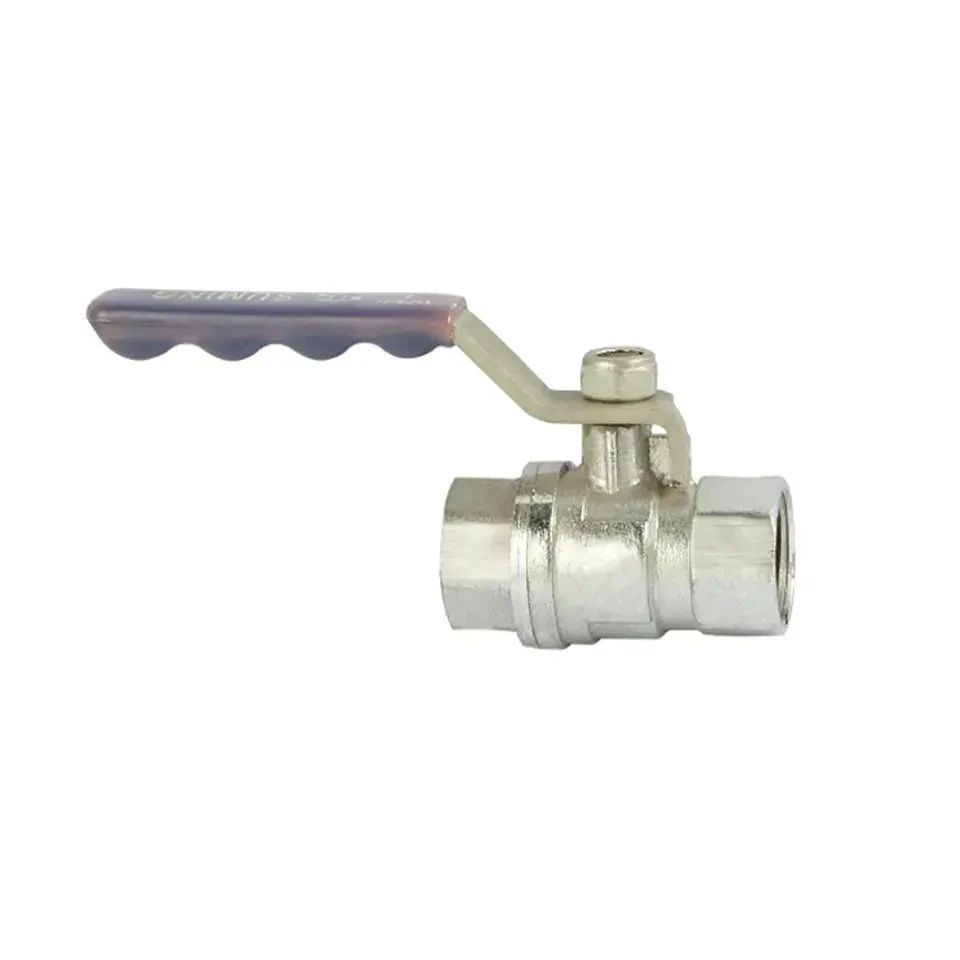
As a supplier of brass ball valves, I offer a wide range of products to meet the needs of different applications. Our Brass Ball Water Valve is a popular choice for residential and light commercial plumbing applications. It is designed to provide reliable performance at temperatures up to 90°C.
For applications that require a smaller valve, our 1/2 Inch Brass Ball Valve is a great option. It is available in a variety of configurations and can be used in a wide range of applications.
If you need a valve with a higher corrosion resistance, our 1/2 Inch Zinc Alloy Ball Valve Brass Ball Valve is a good choice. It is made from a zinc alloy that provides excellent corrosion resistance in harsh environments.
Conclusion
Temperature is a critical factor that can significantly affect the performance of brass ball valves. By understanding the effects of temperature on thermal expansion, material properties, seal integrity, and corrosion resistance, you can make informed decisions when selecting and using these valves.
As a supplier of brass ball valves, I am committed to providing high-quality products that can withstand the temperature challenges of various applications. If you have any questions or need assistance in selecting the right brass ball valve for your needs, please don't hesitate to contact me. I look forward to discussing your requirements and helping you find the best solution for your application.
References
- ASM Handbook, Volume 2: Properties and Selection: Nonferrous Alloys and Special-Purpose Materials, ASM International
- ASTM International Standards for Brass Alloys
- Valve Manufacturers Association of America (VMAA) Standards and Guidelines