

How does a pressure - relief valve protect a sprinkler valve?
Jun 11, 2025
In the realm of fire protection and water distribution systems, sprinkler valves play a crucial role in ensuring the timely and effective release of water when needed. As a seasoned Sprinkler Valve supplier, I've witnessed firsthand the importance of these components in safeguarding lives and property. One integral part of a sprinkler system that often goes unnoticed but is vital for its proper functioning is the pressure - relief valve. In this blog, we'll delve into how a pressure - relief valve protects a sprinkler valve and why this protection is essential.
Understanding Sprinkler Valves
Before we explore the role of pressure - relief valves, it's important to have a clear understanding of sprinkler valves themselves. Sprinkler valves are devices that control the flow of water in a sprinkler system. They can be activated manually or automatically, depending on the type of system and its design. There are various types of sprinkler valves available in the market, each suited for different applications and environments.
For instance, Brass Fire Sprinkler Valve are popular due to their durability and resistance to corrosion. They are commonly used in both residential and commercial fire sprinkler systems. On the other hand, Fire Sprinkler Valves encompass a broader range of valves designed specifically for fire protection purposes, including deluge valves, pre - action valves, and dry pipe valves.
These valves are designed to open when a fire is detected, allowing water to flow through the sprinkler heads and extinguish the fire. However, they are also subject to various pressures within the system, which can potentially damage them if not properly managed.
The Role of Pressure in Sprinkler Systems
Pressure is a fundamental aspect of any water distribution system, including sprinkler systems. Water needs to be delivered at the right pressure to ensure that it reaches the sprinkler heads effectively and is dispersed in the correct pattern. However, excessive pressure can cause a multitude of problems.
In a sprinkler system, pressure can build up due to several reasons. For example, changes in the water supply, such as sudden increases in municipal water pressure or the operation of pumps, can lead to spikes in pressure. Additionally, thermal expansion of water within the pipes can also cause pressure to rise. If this excess pressure is not relieved, it can put a strain on the sprinkler valves and other components of the system.
High pressure can cause the seals and gaskets in the sprinkler valve to fail, leading to leaks. It can also damage the valve's internal components, such as the valve seat and the stem, which can prevent the valve from opening or closing properly. In extreme cases, excessive pressure can even cause the valve to burst, rendering the entire sprinkler system inoperable.
How Pressure - Relief Valves Work
A pressure - relief valve is a safety device that is designed to protect the sprinkler valve and the entire sprinkler system from excessive pressure. It works by automatically opening when the pressure within the system exceeds a pre - set limit.

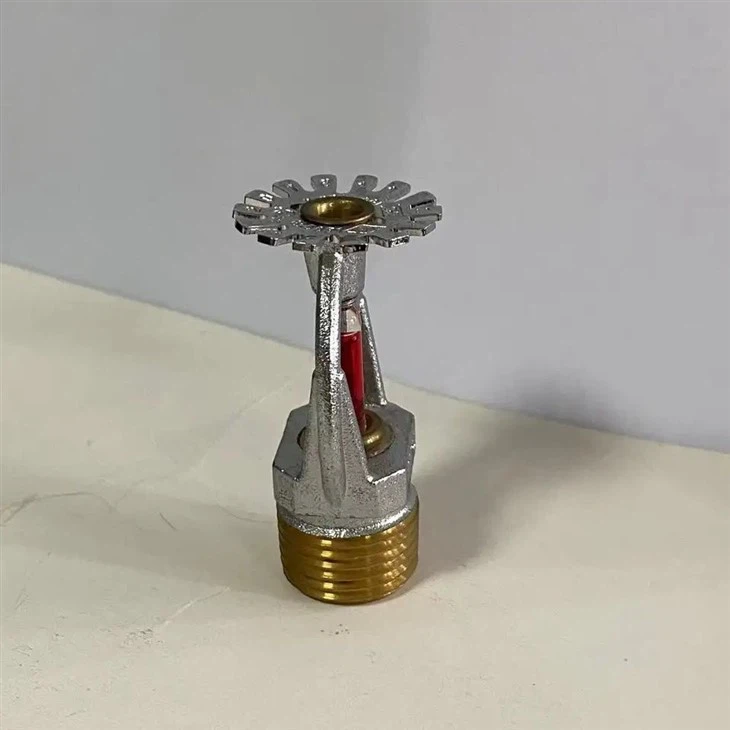
The basic principle behind a pressure - relief valve is relatively simple. It consists of a valve body, a spring - loaded disc, and a discharge outlet. The spring is calibrated to a specific pressure rating, which is determined by the design requirements of the sprinkler system. When the pressure in the system rises above this set point, the force of the water against the disc overcomes the force of the spring, causing the disc to lift off its seat.
Once the disc is lifted, the excess water is allowed to flow through the discharge outlet, relieving the pressure within the system. As the pressure drops back below the set point, the spring forces the disc back onto its seat, closing the valve and preventing further water from escaping.
Protecting the Sprinkler Valve
The pressure - relief valve plays a crucial role in protecting the sprinkler valve in several ways. Firstly, it prevents the valve from being subjected to excessive pressure, which can damage its internal components. By relieving the excess pressure, the pressure - relief valve ensures that the sprinkler valve operates within its designed pressure range, extending its lifespan and reducing the likelihood of failures.
Secondly, it helps to maintain the integrity of the valve's seals and gaskets. High pressure can cause these seals to deform or rupture, leading to leaks. The pressure - relief valve prevents this by keeping the pressure within acceptable limits, ensuring that the seals remain intact and the valve remains watertight.
In addition, the pressure - relief valve also protects the sprinkler valve from sudden pressure surges. These surges can occur due to events such as water hammer, which is a shock wave that travels through the pipes when the flow of water is suddenly stopped or started. Water hammer can cause significant damage to the sprinkler valve, but the pressure - relief valve can absorb and dissipate the energy of the shock wave, protecting the valve from harm.
Importance in System Safety
The protection provided by the pressure - relief valve is not only important for the sprinkler valve itself but also for the overall safety of the sprinkler system. A malfunctioning sprinkler valve can compromise the effectiveness of the entire system, leaving a building or an area vulnerable to fire.
By ensuring that the sprinkler valve operates properly, the pressure - relief valve helps to maintain the reliability of the sprinkler system. In the event of a fire, the valve can open quickly and allow water to flow through the sprinkler heads, providing the necessary fire protection.
Moreover, pressure - relief valves are often required by building codes and fire safety regulations. These regulations are in place to ensure that sprinkler systems are designed and installed to the highest safety standards. By including a pressure - relief valve in the system, you can ensure compliance with these regulations and provide an additional layer of safety for your property.
Choosing the Right Pressure - Relief Valve
As a Sprinkler Valve supplier, I understand the importance of choosing the right pressure - relief valve for your sprinkler system. There are several factors to consider when selecting a pressure - relief valve.
Firstly, you need to determine the appropriate pressure rating for the valve. This rating should be based on the maximum pressure that the sprinkler system is expected to experience. It's important to choose a valve with a pressure rating that is slightly higher than the normal operating pressure of the system but lower than the maximum pressure that the valve can withstand without damage.
Secondly, you need to consider the size of the valve. The size of the valve should be compatible with the flow rate requirements of the sprinkler system. A valve that is too small may not be able to relieve the excess pressure quickly enough, while a valve that is too large may be unnecessarily expensive and take up more space.
Additionally, you should also consider the type of pressure - relief valve. There are different types of pressure - relief valves available, such as direct - acting valves, pilot - operated valves, and balanced - bellows valves. Each type has its own advantages and disadvantages, and the choice depends on the specific requirements of your sprinkler system.
Conclusion
In conclusion, a pressure - relief valve is an essential component of a sprinkler system that plays a crucial role in protecting the sprinkler valve. By relieving excess pressure, it helps to ensure the proper functioning of the valve, extends its lifespan, and maintains the overall safety and reliability of the sprinkler system.
As a leading supplier of Sprinkler Valves, I am committed to providing high - quality products and expert advice to help you choose the right pressure - relief valve for your needs. Whether you are installing a new sprinkler system or upgrading an existing one, I can assist you in selecting the most suitable components to ensure the optimal performance of your system.
If you are interested in learning more about our Sprinkler Valves or need assistance with your fire protection system, please feel free to reach out. We are here to help you make the best decisions for your property's safety. Contact us today to start a procurement discussion and find the perfect solutions for your sprinkler system requirements.
References
- NFPA 13: Standard for the Installation of Sprinkler Systems
- NFPA 14: Standard for the Installation of Standpipe and Hose Systems
- ASME Boiler and Pressure Vessel Code, Section VIII: Rules for Construction of Pressure Vessels