

How do I prevent corrosion in brass fittings?
Jun 09, 2025
As a supplier of brass fittings, I've witnessed firsthand the detrimental effects of corrosion on these essential components. Corrosion not only compromises the integrity and functionality of brass fittings but also shortens their lifespan, leading to costly replacements and potential system failures. In this blog post, I'll share some practical strategies and best practices for preventing corrosion in brass fittings, drawing on my years of experience in the industry.
Understanding the Causes of Corrosion in Brass Fittings
Before delving into prevention methods, it's crucial to understand the factors that contribute to corrosion in brass fittings. Brass is an alloy primarily composed of copper and zinc, with varying proportions of other elements such as lead, tin, and nickel. While brass is generally resistant to corrosion, certain environmental conditions and chemical reactions can accelerate the corrosion process.
One of the most common causes of corrosion in brass fittings is exposure to moisture and humidity. When brass comes into contact with water or water vapor, a chemical reaction occurs, leading to the formation of copper oxide and zinc oxide on the surface of the fitting. Over time, these oxides can flake off, exposing the underlying metal to further corrosion.
Another significant factor is the presence of corrosive chemicals in the environment. Acids, alkalis, salts, and certain industrial chemicals can react with brass, causing it to corrode at an accelerated rate. For example, exposure to chlorinated water, which is commonly used in swimming pools and water treatment plants, can lead to the formation of pitting corrosion in brass fittings.
In addition to environmental factors, improper installation and maintenance practices can also contribute to corrosion in brass fittings. For instance, if brass fittings are not properly cleaned and lubricated during installation, they may be more susceptible to corrosion. Similarly, over-tightening or under-tightening fittings can create stress points that can lead to cracking and corrosion over time.
Preventive Measures for Corrosion in Brass Fittings
Now that we've identified the main causes of corrosion in brass fittings, let's explore some effective preventive measures that can help extend their lifespan and maintain their performance.
1. Select the Right Grade of Brass
Not all brass is created equal. Different grades of brass have varying levels of corrosion resistance, depending on their composition and manufacturing process. When selecting brass fittings for your application, it's important to choose a grade that is suitable for the specific environmental conditions and chemical exposure they will be subjected to.
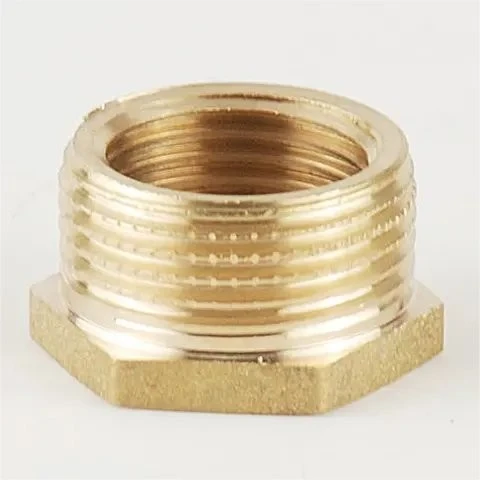
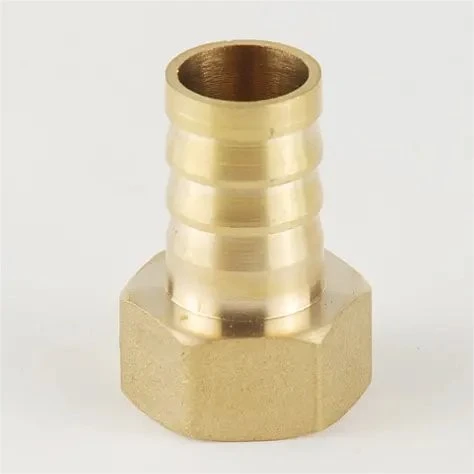
For example, if you're installing brass fittings in a marine environment, where they will be exposed to saltwater and high humidity, you may want to consider using a grade of brass that is specifically designed for marine applications. These grades typically contain higher levels of copper and other corrosion-resistant elements, such as nickel and manganese, which provide enhanced protection against saltwater corrosion.
On the other hand, if you're installing brass fittings in a residential plumbing system, a standard grade of brass may be sufficient. However, it's still important to ensure that the fittings are made from high-quality materials and meet industry standards for corrosion resistance.
2. Apply a Protective Coating
One of the most effective ways to prevent corrosion in brass fittings is to apply a protective coating to their surface. A protective coating acts as a barrier between the brass and the environment, preventing moisture, chemicals, and other corrosive agents from coming into contact with the metal.
There are several types of protective coatings available for brass fittings, including paints, enamels, lacquers, and electroplated coatings. Each type of coating has its own advantages and disadvantages, depending on the specific application and environmental conditions.
For example, paints and enamels are relatively inexpensive and easy to apply, but they may not provide the same level of protection as electroplated coatings. Electroplated coatings, such as nickel plating and chrome plating, offer excellent corrosion resistance and durability, but they are more expensive and require specialized equipment and expertise to apply.
When applying a protective coating to brass fittings, it's important to follow the manufacturer's instructions carefully and ensure that the surface is clean and dry before applying the coating. Additionally, it's important to choose a coating that is compatible with the type of brass and the specific environmental conditions the fittings will be exposed to.
3. Control the Environment
Another important preventive measure for corrosion in brass fittings is to control the environment in which they are installed. This can involve taking steps to reduce moisture and humidity levels, as well as avoiding exposure to corrosive chemicals and other harmful substances.
In a residential or commercial building, this may involve installing a dehumidifier to reduce humidity levels in the air, especially in areas where brass fittings are installed, such as bathrooms, kitchens, and basements. Additionally, it's important to ensure that the building's plumbing system is properly maintained and that any leaks or water damage are repaired promptly to prevent moisture from accumulating around the brass fittings.
In an industrial or commercial setting, it may be necessary to implement more comprehensive environmental control measures, such as installing air filtration systems to remove corrosive chemicals and particulate matter from the air, and using corrosion-resistant materials and coatings in the construction of the facility.
4. Proper Installation and Maintenance
Proper installation and maintenance are essential for preventing corrosion in brass fittings. When installing brass fittings, it's important to follow the manufacturer's instructions carefully and use the appropriate tools and techniques. This includes ensuring that the fittings are properly cleaned and lubricated before installation, and that they are tightened to the correct torque specification.
Over-tightening or under-tightening fittings can create stress points that can lead to cracking and corrosion over time. Additionally, it's important to avoid using excessive force or pressure when installing brass fittings, as this can damage the threads and other components of the fitting.
In addition to proper installation, regular maintenance is also important for preventing corrosion in brass fittings. This includes inspecting the fittings regularly for signs of corrosion, such as discoloration, pitting, or cracking, and taking appropriate action if any issues are detected. It's also important to clean the fittings regularly to remove any dirt, debris, or other contaminants that may accumulate on the surface.
5. Use Corrosion-Resistant Accessories
In addition to using high-quality brass fittings, it's also important to use corrosion-resistant accessories, such as gaskets, O-rings, and fasteners, to ensure a secure and leak-free connection. These accessories are typically made from materials such as rubber, silicone, or stainless steel, which are resistant to corrosion and can help prevent moisture and chemicals from seeping into the fitting.
When selecting corrosion-resistant accessories, it's important to choose products that are compatible with the type of brass and the specific environmental conditions the fittings will be exposed to. Additionally, it's important to ensure that the accessories are properly installed and maintained to ensure their effectiveness.
Conclusion
Corrosion is a common problem that can affect the performance and lifespan of brass fittings. However, by understanding the causes of corrosion and implementing the preventive measures outlined in this blog post, you can significantly reduce the risk of corrosion and ensure that your brass fittings remain in good condition for years to come.
As a supplier of High Quality Brass Pipe Fitting, Pipe Fittings, and Zinc Alloy Fitting, I'm committed to providing my customers with high-quality products and expert advice on corrosion prevention. If you have any questions or need further information about preventing corrosion in brass fittings, please don't hesitate to contact me. I'd be happy to help you find the right solutions for your specific needs.
References
- "Corrosion of Brass: Causes, Effects, and Prevention." Corrosionpedia.
- "Brass Fittings: Selection, Installation, and Maintenance." Plumbing & Mechanical Magazine.
- "Preventing Corrosion in Brass Fittings." The Engineering ToolBox.