

Can zinc alloy ball valves be used in beverage pipelines?
Jun 10, 2025
Can zinc alloy ball valves be used in beverage pipelines? This is a question that many in the beverage industry often ponder. As a supplier of Zinc Alloy Ball Valves, I'd like to delve into this topic and provide a comprehensive analysis.
Properties of Zinc Alloy Ball Valves
Zinc alloy is a popular material for ball valves due to its unique set of properties. Firstly, zinc alloy has good casting performance. It can be easily formed into complex shapes, which is crucial for manufacturing ball valves with precise dimensions and smooth surfaces. This allows for a tight seal and efficient flow control within the valve.
Secondly, zinc alloy offers relatively high strength. Ball valves need to withstand a certain amount of pressure during operation, and the strength of zinc alloy ensures that the valve can maintain its structural integrity under normal working conditions. Additionally, zinc alloy has a certain degree of corrosion resistance. It can resist the corrosion of some common substances, which is beneficial for the long - term use of the valve.
Considerations for Beverage Pipelines
When it comes to using ball valves in beverage pipelines, there are several key factors to consider.
Hygiene and Safety
Beverage pipelines require a high level of hygiene. Any material in contact with beverages must be non - toxic and comply with relevant food safety standards. Zinc alloy itself is generally considered safe, but it is essential to ensure that the surface treatment and coating of the valve do not release harmful substances. For example, some zinc alloys may contain trace amounts of heavy metals such as lead. If the valve is not properly treated, these heavy metals could potentially leach into the beverage, posing a risk to human health.
Compatibility with Beverages
Different beverages have different chemical compositions. Some beverages are acidic, such as fruit juices, while others may be alkaline or contain high levels of sugar. Zinc alloy may react with certain substances in the beverage. For instance, acidic beverages can corrode the zinc alloy surface over time, which not only affects the lifespan of the valve but also may contaminate the beverage.
Cleanability
In beverage production, regular cleaning of pipelines and valves is necessary to prevent the growth of bacteria and ensure product quality. Zinc alloy ball valves should be designed in a way that they can be easily cleaned. Smooth surfaces and simple structures are preferred as they reduce the likelihood of residue accumulation.
Advantages of Using Zinc Alloy Ball Valves in Beverage Pipelines
Despite the above considerations, there are also some advantages to using zinc alloy ball valves in beverage pipelines.
Cost - effectiveness
Compared to some high - end materials like stainless steel, zinc alloy is relatively inexpensive. For small - and medium - sized beverage producers, cost is an important factor. Using zinc alloy ball valves can help reduce the overall investment in pipeline equipment without sacrificing too much in terms of performance.
Versatility
Zinc alloy ball valves can be used in a variety of applications within the beverage industry. They can be used for controlling the flow of raw materials, intermediate products, and finished beverages. Their versatility makes them a popular choice for many beverage production lines.
Case Studies and Industry Standards
In the beverage industry, there have been cases where zinc alloy ball valves have been successfully used. However, these applications usually involve strict quality control and compliance with industry standards. For example, in some countries, there are specific regulations regarding the use of materials in contact with food and beverages. These regulations specify the allowable levels of heavy metals and other harmful substances in the materials.
If a zinc alloy ball valve supplier wants to enter the beverage market, they need to ensure that their products meet these standards. This may involve third - party testing and certification to prove the safety and quality of the valves.
Comparison with Other Valve Materials
In addition to zinc alloy, there are other materials commonly used for ball valves in beverage pipelines, such as brass and stainless steel.
Brass ball valves, like our Gas Brass Ball Valve and High Quality Brass Ball Valve, are also popular. Brass has good corrosion resistance and is widely used in plumbing and fluid control applications. However, similar to zinc alloy, brass may also contain lead, and proper treatment is required to meet food safety standards.

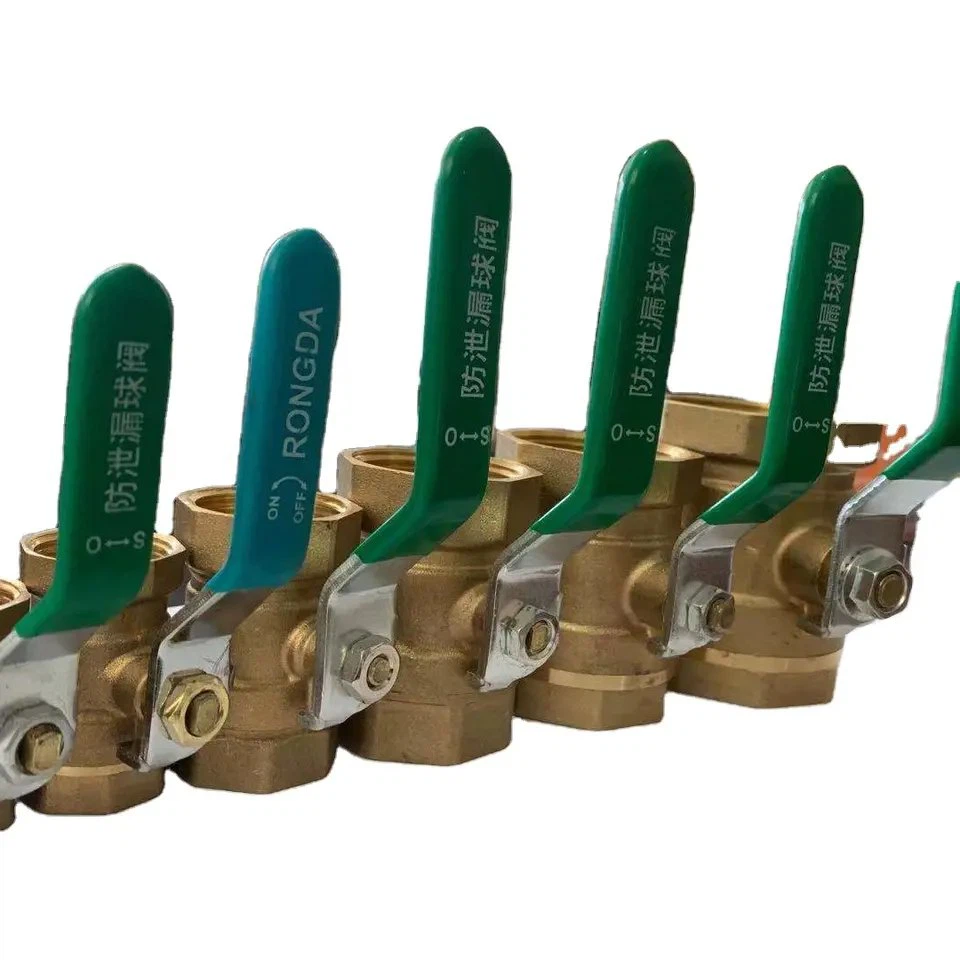
Stainless steel ball valves are known for their excellent corrosion resistance and hygiene properties. They are often used in high - end beverage production lines where strict quality control is required. But stainless steel valves are generally more expensive than zinc alloy valves.
Conclusion
So, can zinc alloy ball valves be used in beverage pipelines? The answer is yes, but with certain conditions. As a supplier of Zinc Alloy Ball Valves, we are committed to ensuring that our products meet the highest quality and safety standards. We use advanced manufacturing processes and surface treatments to minimize the risk of contamination and ensure the long - term performance of the valves.
If you are in the beverage industry and are considering using zinc alloy ball valves for your pipelines, we encourage you to contact us for further discussion. Our team of experts can provide you with detailed information about our products, including their suitability for different types of beverages and pipeline systems. We can also offer customized solutions based on your specific requirements. Whether you need a standard Quick Connect Gas Ball Valve or a specially designed valve for your unique production process, we are here to assist you.
Let's start a conversation about how our Zinc Alloy Ball Valves can enhance the efficiency and safety of your beverage production.
References
- ASTM International standards related to food - contact materials
- FDA regulations on materials in contact with food and beverages
- Industry reports on valve materials in the beverage industry