

Can gas ball valves be reused after disassembly?
Nov 05, 2025
As a dedicated supplier of Gas Ball Valves, I often encounter inquiries from customers about various aspects of these essential components. One question that comes up frequently is, "Can gas ball valves be reused after disassembly?" This blog post aims to delve into this topic comprehensively, providing you with scientific and practical insights.
Understanding Gas Ball Valves
Before we discuss the reusability of gas ball valves, it's crucial to understand what they are and how they work. Ball Valves are quarter - turn valves that use a hollow, perforated, and pivoting ball to control the flow of gas. When the ball's hole is in line with the pipeline, the valve is open, allowing gas to flow. When the ball is rotated a quarter - turn, the hole is perpendicular to the pipeline, shutting off the flow.
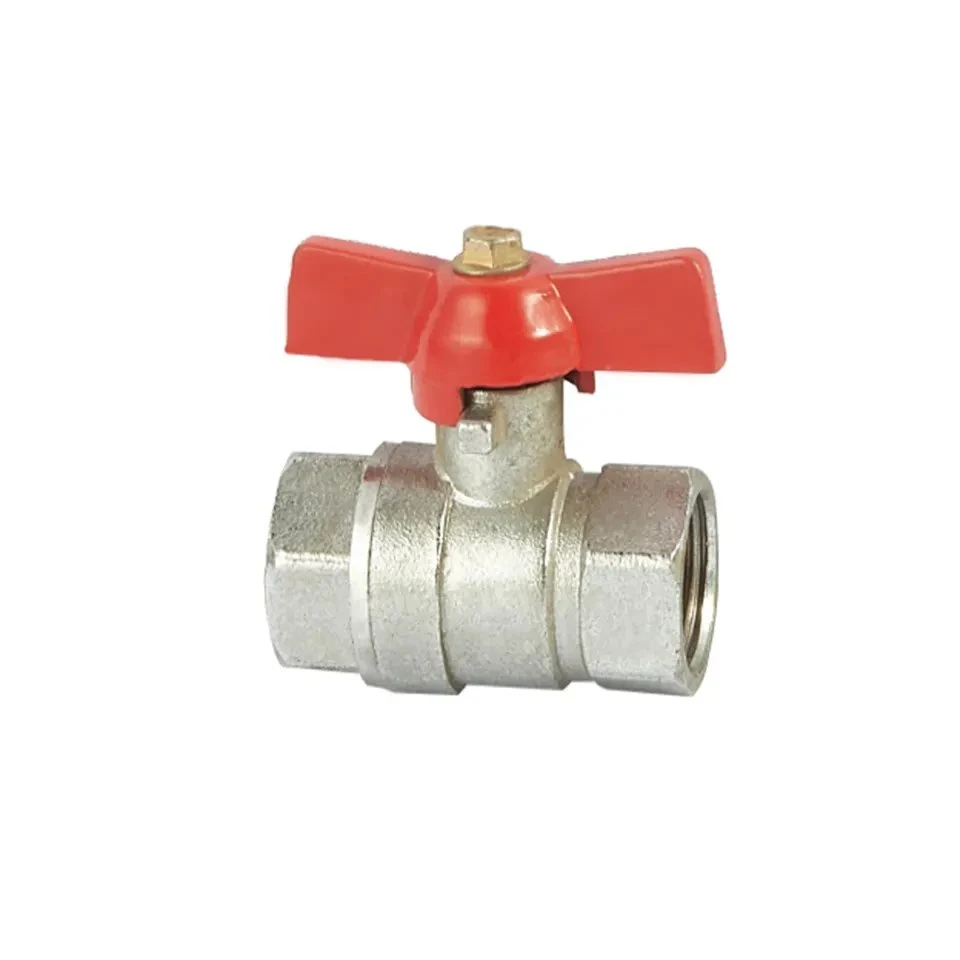

These valves are widely used in gas systems due to their simplicity, reliability, and excellent sealing properties. They are commonly found in residential, commercial, and industrial settings, from natural gas pipelines in homes to large - scale industrial gas distribution networks.
Factors Affecting Reusability
The reusability of a gas ball valve after disassembly depends on several factors. Let's take a closer look at each of them.
1. Condition of the Valve Components
The first and most important factor is the condition of the valve's components. When a valve is disassembled, you need to carefully inspect the ball, seat, stem, and body for signs of wear, damage, or corrosion.
- Ball: The ball is the heart of the valve. If it has scratches, dents, or pitting on its surface, it may not provide a proper seal when the valve is reassembled. Even minor damage can lead to gas leaks, which are extremely dangerous.
- Seat: The seat is where the ball seals against the valve body. Any damage to the seat, such as cuts or deformation, can compromise the valve's sealing performance.
- Stem: The stem is responsible for rotating the ball. If it is bent, worn, or has a damaged thread, it may not operate smoothly, affecting the valve's functionality.
- Body: The valve body should be free from cracks or other structural damage. A damaged body can weaken the valve and lead to failure under pressure.
2. Type of Gas and Operating Conditions
The type of gas being used and the operating conditions also play a significant role in determining whether a valve can be reused.
- Corrosive Gases: If the valve has been used with corrosive gases, such as hydrogen sulfide or chlorine, the internal components may have suffered corrosion. Corrosion can eat away at the metal, making the valve unsafe to reuse.
- High - Pressure and High - Temperature Applications: Valves used in high - pressure or high - temperature environments are subject to more stress. Over time, this can cause wear and deformation of the components. For example, high temperatures can cause the plastic or rubber seals to degrade, reducing their effectiveness.
3. Disassembly and Reassembly Process
The way the valve is disassembled and reassembled is crucial. If the disassembly is done incorrectly, it can cause damage to the components. For example, using improper tools can scratch the ball or seat. Similarly, if the valve is not reassembled correctly, it may not function properly. It's essential to follow the manufacturer's instructions during both the disassembly and reassembly processes.
Steps to Determine Reusability
If you're considering reusing a gas ball valve after disassembly, here are the steps you should follow:
1. Visual Inspection
Start by visually inspecting all the components of the valve. Look for any signs of wear, damage, or corrosion. Pay close attention to the ball, seat, stem, and body. If you notice any significant damage, it's best to replace the valve.
2. Cleaning
Clean all the components thoroughly using a suitable cleaning agent. This will remove any dirt, debris, or contaminants that may have accumulated inside the valve. Make sure to dry the components completely before proceeding.
3. Testing
After cleaning and reassembling the valve, it's important to test it for proper functionality and sealing. You can use a pressure test to check for leaks. Apply a specified pressure to the valve and monitor it for a certain period. If there are any leaks, the valve should not be reused.
When to Reuse and When to Replace
Based on the above factors, here are some guidelines on when to reuse a gas ball valve and when to replace it:
Reuse
- If the valve components are in good condition, with no signs of significant wear, damage, or corrosion.
- If the valve has been used in a relatively mild environment, with non - corrosive gases and normal operating pressures and temperatures.
- If the disassembly and reassembly processes were carried out correctly, following the manufacturer's instructions.
Replace
- If the valve components show signs of significant wear, damage, or corrosion.
- If the valve has been used in a harsh environment, with corrosive gases or high - pressure and high - temperature conditions.
- If the valve fails the pressure test after reassembly.
Our Gas Ball Valve Products
At our company, we offer a wide range of high - quality gas ball valves. Our High Quality Zinc Ball Valve Brass is made from premium materials, ensuring durability and excellent performance. We also have Gas Ball Valve 1/2 Inch options, which are suitable for various applications. Our valves are designed to meet strict safety standards, providing you with peace of mind.
Conclusion
In conclusion, gas ball valves can be reused after disassembly under certain conditions. However, it's crucial to carefully inspect the valve components, consider the type of gas and operating conditions, and follow the correct disassembly and reassembly procedures. If you're unsure about the reusability of a valve, it's always best to consult a professional or replace the valve with a new one.
If you're in the market for high - quality gas ball valves, we'd love to hear from you. Whether you have questions about our products or need assistance with your gas valve requirements, feel free to reach out to us. We're here to help you find the best solutions for your gas system needs.
References
- Valve Handbook, Third Edition by Robert W. McKetta
- ASME B16.34 - 2017, Valves - Flanged, Threaded, and Welding End