

Can a water ball valve be repaired?
Jun 12, 2025
As a seasoned supplier of water ball valves, I've encountered numerous inquiries from customers about the repairability of these essential components. Water ball valves are ubiquitous in plumbing systems, controlling the flow of water in residential, commercial, and industrial settings. Their reliability and durability are crucial, but like any mechanical device, they can experience wear and tear over time. In this blog post, I'll delve into the question of whether a water ball valve can be repaired, exploring the factors that influence repairability and providing practical insights for maintenance and troubleshooting.
Understanding Water Ball Valves
Before discussing repair options, it's essential to understand the basic structure and function of a water ball valve. A typical water ball valve consists of a spherical disc (the ball) with a hole in the center, a valve body, seals, and an actuator (usually a handle or lever). When the handle is turned, the ball rotates within the valve body, aligning the hole with the flow path to allow water to pass through or blocking the flow when the hole is perpendicular to the path.
Water ball valves are known for their simple design, reliable operation, and low maintenance requirements. They offer excellent shut-off capabilities, making them suitable for applications where precise flow control is necessary. However, like any mechanical component, they can be subject to various issues that may affect their performance.
Common Issues with Water Ball Valves
Several factors can contribute to problems with water ball valves. Some of the most common issues include:
Leaking
Leaking is one of the most prevalent problems with water ball valves. It can occur due to worn or damaged seals, a loose valve stem, or a cracked valve body. Leaks can lead to water wastage, increased utility bills, and potential damage to surrounding structures.
Difficulty Turning the Handle
If you're having trouble turning the handle of a water ball valve, it could indicate a problem with the valve stem or the ball itself. This issue may be caused by debris or sediment buildup inside the valve, corrosion, or a misaligned valve stem.
Corrosion
Corrosion is a common problem in water ball valves, especially in areas with high levels of minerals or chemicals in the water. Over time, corrosion can weaken the valve body and seals, leading to leaks and reduced performance.
Sticking or Seizing
A sticking or seized valve is another common issue that can prevent the valve from opening or closing properly. This problem can be caused by debris, corrosion, or a lack of lubrication.
Can Water Ball Valves Be Repaired?
The answer to whether a water ball valve can be repaired depends on the nature and severity of the problem. In many cases, minor issues such as a leaking seal or a loose valve stem can be repaired relatively easily. However, more severe problems, such as a cracked valve body or a damaged ball, may require replacement of the entire valve.
Repairable Issues
Some of the most common repairable issues with water ball valves include:
- Worn Seals: Seals are a critical component of a water ball valve, and over time, they can wear out or become damaged. If you notice a leak around the valve stem or at the connection points, it may be due to worn seals. In many cases, replacing the seals can solve the problem.
- Loose Valve Stem: A loose valve stem can cause the valve to leak or become difficult to turn. This issue can often be resolved by tightening the packing nut or replacing the packing material around the valve stem.
- Debris or Sediment Buildup: Debris or sediment buildup inside the valve can cause it to stick or seize. In some cases, flushing the valve with water or using a valve lubricant can help remove the debris and restore proper operation.
Non-Repairable Issues
In some cases, the damage to a water ball valve may be too severe to repair. Some of the non-repairable issues include:
- Cracked Valve Body: A cracked valve body is a serious problem that can compromise the integrity of the valve. In most cases, a cracked valve body will need to be replaced.
- Damaged Ball: If the ball inside the valve is damaged or scored, it may not be possible to repair it. A damaged ball can prevent the valve from closing properly, leading to leaks and reduced performance.
- Severe Corrosion: Severe corrosion can weaken the valve body and seals, making it difficult or impossible to repair the valve. In such cases, replacement of the valve is usually the best option.
Repairing a Water Ball Valve: Step-by-Step Guide
If you've determined that your water ball valve can be repaired, here's a step-by-step guide to help you through the process:
Step 1: Turn Off the Water Supply
Before attempting to repair a water ball valve, it's essential to turn off the water supply to the valve. This will prevent water from flowing through the valve while you're working on it, reducing the risk of leaks and water damage.
Step 2: Drain the Water
Once the water supply is turned off, open the valve to drain any remaining water from the system. This will make it easier to access the valve and perform the necessary repairs.
Step 3: Remove the Valve
Depending on the type of valve and its location, you may need to remove it from the plumbing system to perform the repairs. Use a wrench or pliers to loosen the nuts or bolts holding the valve in place, and carefully remove the valve from the pipes.
Step 4: Inspect the Valve
Once the valve is removed, inspect it carefully for any signs of damage or wear. Look for worn or damaged seals, a loose valve stem, or any other issues that may be causing the problem.
Step 5: Replace the Seals
If the seals are worn or damaged, you'll need to replace them. To do this, carefully remove the old seals from the valve using a seal removal tool or a small flathead screwdriver. Clean the seal grooves thoroughly to remove any debris or old sealant, and then install the new seals.
Step 6: Tighten the Valve Stem
If the valve stem is loose, you can try tightening the packing nut or replacing the packing material around the valve stem. Use a wrench to tighten the packing nut slightly, being careful not to overtighten it, as this can damage the valve stem.
Step 7: Reinstall the Valve
Once the repairs are complete, reinstall the valve in the plumbing system. Make sure the valve is properly aligned and tightened, and then turn on the water supply to test the valve.

Step 8: Check for Leaks
After turning on the water supply, check the valve for any signs of leaks. If you notice any leaks, turn off the water supply again and repeat the repair process until the leaks are fixed.
When to Replace a Water Ball Valve
While many water ball valve issues can be repaired, there are times when it's more practical to replace the valve altogether. Here are some signs that it may be time to replace a water ball valve:
- Frequent Repairs: If you've had to repair the same valve multiple times, it may be a sign that the valve is nearing the end of its lifespan. In this case, it may be more cost-effective to replace the valve rather than continuing to repair it.
- Severe Damage: If the valve is severely damaged, such as a cracked valve body or a damaged ball, it may not be possible to repair it. In this case, replacement is the only option.
- Old Age: Water ball valves have a limited lifespan, and over time, they can become worn and less reliable. If your valve is more than 10 years old, it may be a good idea to consider replacing it.
- Incompatible with the System: If you're upgrading your plumbing system or changing the type of water supply, you may need to replace your water ball valve to ensure compatibility.
Conclusion
In conclusion, whether a water ball valve can be repaired depends on the nature and severity of the problem. In many cases, minor issues such as a leaking seal or a loose valve stem can be repaired relatively easily. However, more severe problems, such as a cracked valve body or a damaged ball, may require replacement of the entire valve.
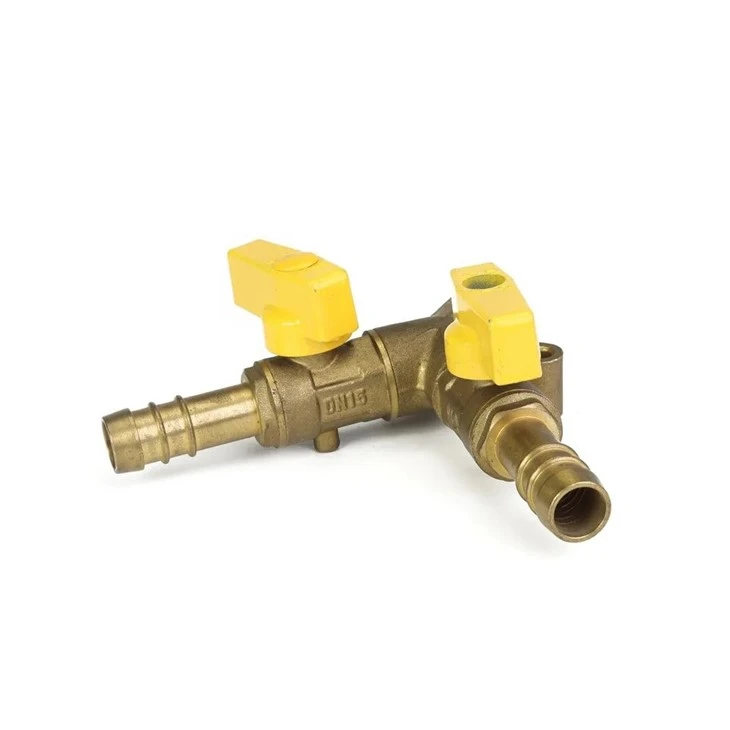
As a [Your Company Name] supplier, we offer a wide range of high-quality water ball valves to meet your needs. Whether you're looking for a Ball Valve For Gas, Copper Ball Valves, or Handle Brass Ball Valves, we have the right valve for your application.
If you're experiencing problems with your water ball valve or need advice on valve selection and maintenance, don't hesitate to contact us. Our team of experts is here to help you find the best solution for your needs.
References
- [Plumbing Handbook](Author, Year)
- [Valve Manufacturer's Manual](Manufacturer, Year)
- [Online Plumbing Resources](Website, Year)