

Can a copper ball valve be used in a food processing pipeline?
Jan 14, 2026
Hey there! As a supplier of copper ball valves, I've been getting a bunch of questions lately about whether these valves can be used in food processing pipelines. It's a super important question, so I thought I'd take a deep dive into it and share my thoughts.
First off, let's talk about what a copper ball valve is. In simple terms, it's a type of valve that uses a spherical disc to control the flow of a fluid. When the valve is open, the hole in the ball lines up with the pipe, allowing the fluid to pass through. When it's closed, the ball rotates so that the hole is perpendicular to the pipe, blocking the flow. Copper ball valves are known for their durability, resistance to corrosion, and excellent sealing capabilities.
Now, the big question: Can a copper ball valve be used in a food processing pipeline? The answer is, it depends. There are several factors that need to be considered before deciding if a copper ball valve is the right choice for a food processing application.
Compatibility with Food Products
The first thing to look at is the compatibility of copper with the food products that will be flowing through the pipeline. Copper is a widely used material in many industries, but in the food processing world, there are some concerns. Copper can react with certain acidic or alkaline foods, which may lead to the leaching of copper ions into the food. This not only affects the taste and quality of the food but can also pose health risks if consumed in large amounts.
However, modern copper ball valves can be coated or lined with food - grade materials to prevent direct contact between the copper and the food. Coatings like PTFE (Polytetrafluoroethylene) or food - grade epoxy can provide a protective barrier, making the valve suitable for use in food processing pipelines. These coatings are non - toxic, resistant to chemical attack, and can withstand the high - temperature and high - pressure conditions often found in food processing.
Hygiene and Cleanability
Hygiene is of utmost importance in food processing. Any equipment used in the pipeline must be easy to clean and sanitize to prevent the growth of bacteria and other microorganisms. Copper ball valves, especially those with a smooth interior surface and simple design, are generally easy to clean. Clean - in - place (CIP) systems can be used to flush the valves with cleaning agents, ensuring that all food residues are removed.
It's also crucial to ensure that there are no dead spaces or crevices in the valve where food can get trapped. Our copper ball valves are designed with this in mind, with a streamlined structure that minimizes the risk of food accumulation and makes it easier to maintain a high level of hygiene.
Regulatory Compliance
The food processing industry is highly regulated, and any equipment used must comply with relevant food safety standards. In the United States, the Food and Drug Administration (FDA) sets strict guidelines for materials that come into contact with food. In the European Union, the European Food Safety Authority (EFSA) has similar regulations.
Before using a copper ball valve in a food processing pipeline, it's essential to ensure that the valve meets these regulatory requirements. Our copper ball valves are manufactured to meet or exceed these standards, with proper documentation available to prove their compliance. This gives our customers peace of mind knowing that they are using a safe and reliable product in their food processing operations.
Cost - effectiveness
Another factor to consider is cost - effectiveness. Copper ball valves are generally more expensive than some other types of valves, such as plastic valves. However, they offer several advantages that can offset the higher initial cost. Their durability means that they have a longer lifespan, reducing the need for frequent replacements. They also have better sealing performance, which can help prevent leaks and reduce waste.
In the long run, investing in a high - quality copper ball valve can be a cost - effective solution for food processing plants, as it can lead to increased efficiency and reduced maintenance costs.
Other Applications of Ball Valves
While we're on the topic of ball valves, it's worth mentioning that they have a wide range of applications beyond food processing. For example, if you're dealing with gas systems, you might be interested in Gas Ball Valves. These valves are specifically designed to handle the unique requirements of gas flow control, such as high pressure and the need for tight sealing.
If water flow control is your concern, Brass Water Ball Valves are a great option. They are corrosion - resistant and can be used in various water - related applications, from residential plumbing to industrial water treatment plants.
And for those who need a valve specifically for gas applications, Ball Valve For Gas is the way to go. These valves are engineered to ensure safe and efficient gas flow, with features like anti - static design and high - pressure resistance.
Conclusion
So, can a copper ball valve be used in a food processing pipeline? The answer is yes, but with some important considerations. As long as the valve is properly coated or lined to prevent copper - food contact, is easy to clean, meets regulatory requirements, and offers good cost - effectiveness, it can be a great choice for food processing applications.

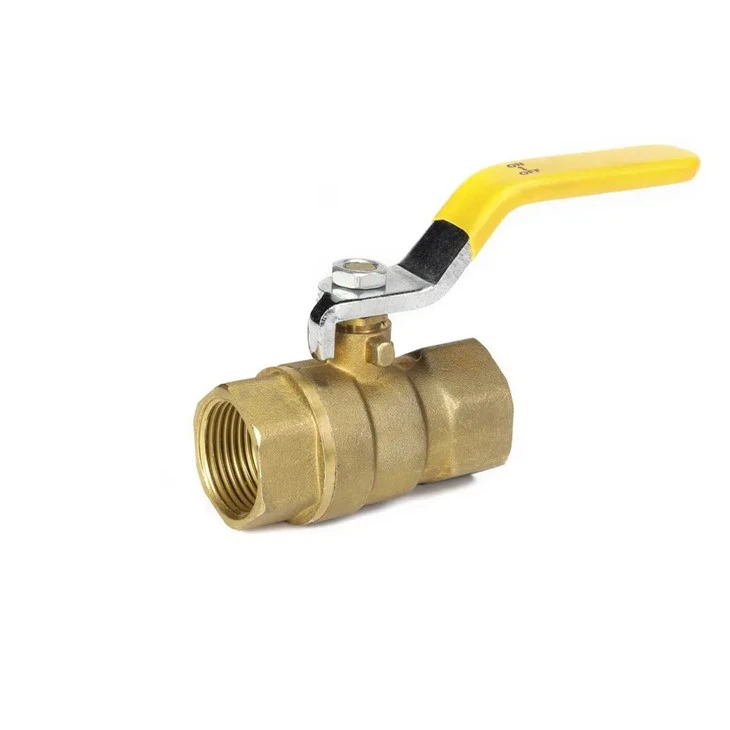
If you're in the food processing industry and are looking for a reliable copper ball valve supplier, I'd love to hear from you. We have a wide range of copper ball valves available, all of which are designed and manufactured to the highest standards. Whether you need a small valve for a pilot project or a large - scale solution for a full - fledged food processing plant, we've got you covered. Reach out to us to discuss your specific requirements and let's start a conversation about how our copper ball valves can benefit your business.
References
- Food and Drug Administration (FDA) regulations on food - contact materials
- European Food Safety Authority (EFSA) guidelines for food safety
- Industry standards for ball valve design and manufacturing