

Can a copper ball valve be used for hot water?
May 30, 2025
As a seasoned supplier of copper ball valves, I often encounter a pivotal question from clients: Can a copper ball valve be used for hot water? This is not just a query; it's a concern that reflects the critical need for reliable plumbing components in various applications, especially those involving hot water systems. In this comprehensive blog post, I'll delve into the science behind copper ball valves and their suitability for hot water use, drawing on industry knowledge and practical experience.
The Science of Copper in Hot Water Applications
Copper has long been favored in the plumbing industry for its exceptional properties. First and foremost, copper is highly resistant to corrosion. When exposed to hot water, many metals can degrade quickly due to oxidation, chemical reactions with the water, or the presence of dissolved minerals. Copper, however, forms a protective oxide layer on its surface, which acts as a shield against further corrosion. This means that copper ball valves can maintain their integrity and functionality over an extended period, even in harsh hot water environments.
Another significant advantage of copper is its excellent heat conductivity. In hot water systems, effective heat transfer is crucial to ensure that the water remains at the desired temperature. Copper ball valves can efficiently handle the transfer of heat without deforming or losing their structural strength. This characteristic is particularly important in applications where precise temperature control is required, such as in heating systems or industrial processes that rely on hot water.
Design and Construction of Copper Ball Valves
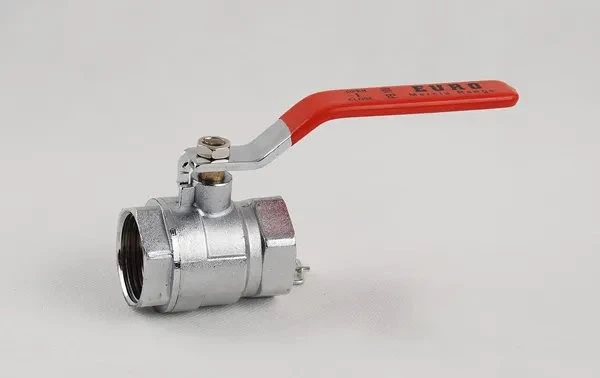
Copper ball valves are engineered to withstand the demands of hot water applications. They typically consist of a copper body, a ball with a hole in the center, and a stem that allows for the rotation of the ball. The ball is made of either solid copper or a copper alloy, which provides additional strength and durability. When the valve is open, the hole in the ball aligns with the pipe, allowing hot water to flow freely. When the valve is closed, the ball rotates to block the flow, ensuring a tight seal.
The sealing mechanism of copper ball valves is designed to be robust and reliable. Most copper ball valves use a soft seat, such as PTFE (polytetrafluoroethylene), which is resistant to high temperatures and has excellent sealing properties. The soft seat conforms to the surface of the ball, creating a leak-proof seal even under high pressure and temperature conditions. This design ensures that there are no leaks, which is essential for maintaining the efficiency of hot water systems and preventing water damage.

Pressure and Temperature Ratings
One of the key factors to consider when using a copper ball valve for hot water is its pressure and temperature ratings. These ratings indicate the maximum pressure and temperature that the valve can safely handle. It's crucial to select a valve with ratings that are appropriate for your specific application.
Most copper ball valves have a temperature rating of up to 200°F (93°C) or higher, which is suitable for most residential and commercial hot water systems. However, for applications that involve extremely high temperatures, such as industrial processes or boiler systems, it's important to choose a valve with a higher temperature rating. Similarly, the pressure rating of the valve should match the pressure requirements of the system. High-pressure hot water systems require valves that can withstand the stress without failing.
Installation and Maintenance
Proper installation is essential to ensure the optimal performance of copper ball valves in hot water applications. When installing a copper ball valve, it's important to follow the manufacturer's instructions carefully. This includes ensuring that the valve is properly aligned, securely tightened, and free from any debris or contaminants.
Regular maintenance is also crucial to keep copper ball valves in good working condition. This involves inspecting the valve for signs of wear, corrosion, or leaks on a regular basis. If any issues are detected, it's important to address them promptly to prevent further damage. In addition, lubricating the valve stem periodically can help to ensure smooth operation and extend the lifespan of the valve.
Comparison with Other Valve Materials
When considering the use of a copper ball valve for hot water, it's worth comparing it with other valve materials. For example, brass angle ball cock valves, like the ones available at Brass Angle Ball Cock Valve, are also popular in plumbing applications. While brass is a durable material, it may not have the same level of corrosion resistance as copper, especially in hot water environments.
Mini zinc alloy ball valves, such as the Mini Zinc Alloy Ball Valve, and 1/2 zinc alloy ball valves, like the 1/2 Zinc Alloy Ball Valve, are often used in smaller-scale applications. However, zinc alloy may not be as suitable for high-temperature applications as copper, as it has a lower melting point and may be more prone to deformation under heat.
Real-World Applications
Copper ball valves are widely used in a variety of hot water applications. In residential plumbing, they are commonly used in hot water supply lines, faucets, and water heaters. Their reliability and durability make them a popular choice for homeowners who want to ensure the long-term performance of their plumbing systems.
In commercial and industrial settings, copper ball valves are used in heating systems, cooling systems, and process lines. They play a crucial role in maintaining the flow and control of hot water, which is essential for the efficient operation of these facilities. For example, in a hotel or a hospital, copper ball valves are used to regulate the hot water supply to guest rooms, bathrooms, and kitchens, ensuring a consistent and reliable supply of hot water.
Conclusion
In conclusion, copper ball valves are an excellent choice for hot water applications. Their corrosion resistance, heat conductivity, and robust design make them well-suited to handle the demands of hot water systems. Whether you're a homeowner looking to upgrade your plumbing or a business owner in need of reliable industrial valves, copper ball valves offer a reliable and cost-effective solution.
If you're interested in learning more about our copper ball valves or exploring other valve options, I invite you to reach out to us for a detailed discussion. Our team of experts is here to assist you in finding the right valves for your specific needs. We are committed to providing high-quality products and exceptional customer service, and we look forward to the opportunity to work with you on your next project.
References
- ASME B16.34 - Valves - Flanged, Threaded, and Welding End
- ASTM B438 - Standard Specification for Wrought or Rolled Copper and Copper-Alloy Plate, Sheet, Strip, and Rolled Bar
- International Association of Plumbing and Mechanical Officials (IAPMO) Plumbing Code
- National Fire Protection Association (NFPA) Codes and Standards