

Can a control ball valve be repaired?
Jun 20, 2025
As a dedicated supplier of control ball valves, I've encountered numerous inquiries regarding the repairability of these essential components. Control ball valves are widely used in various industries, from plumbing and HVAC to industrial manufacturing and chemical processing. Their reliability and performance are crucial for the smooth operation of many systems. In this blog post, I'll delve into the question of whether a control ball valve can be repaired, exploring the factors that influence repairability, common repair scenarios, and the benefits and limitations of repair.

Factors Influencing Repairability
The repairability of a control ball valve depends on several key factors, including the valve's design, materials, age, and the nature of the damage.
Design and Materials
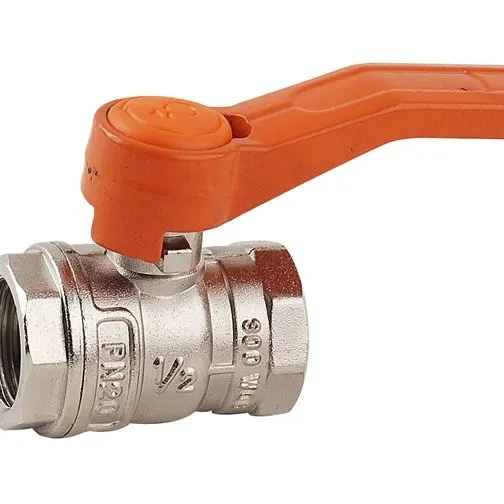
Modern control ball valves are often designed with modular components, which can make them relatively easy to disassemble and repair. Valves made from high-quality materials, such as stainless steel or brass, are generally more durable and resistant to wear and corrosion, increasing their potential for repair. For example, Brass Angle Ball Cock Valve and Pn40 Brass Ball Valve are known for their excellent corrosion resistance and long service life, making them good candidates for repair.
Age and Usage
The age and usage of a control ball valve can also affect its repairability. Older valves may have worn-out components that are no longer available or difficult to replace. Additionally, valves that have been subjected to harsh operating conditions, such as high temperatures, pressures, or corrosive fluids, may experience more severe damage and be less likely to be repaired effectively.
Nature of the Damage
The type and extent of the damage to a control ball valve are perhaps the most significant factors in determining its repairability. Minor issues, such as a leaky seal or a stuck stem, can often be resolved with simple repairs. However, more severe damage, such as a cracked ball or a damaged body, may require more extensive repairs or even replacement of the valve.
Common Repair Scenarios
There are several common scenarios where a control ball valve may require repair. Here are some of the most frequent issues and their potential solutions:
Leaking Seals
One of the most common problems with control ball valves is leaking seals. Over time, the seals can wear out or become damaged, allowing fluid to escape. To repair a leaking seal, the valve must be disassembled, and the old seal replaced with a new one. It's important to use the correct type and size of seal to ensure a proper fit and prevent future leaks.
Stuck Stem
A stuck stem can prevent the valve from opening or closing properly. This issue is often caused by dirt, debris, or corrosion in the stem mechanism. To repair a stuck stem, the valve should be cleaned thoroughly, and any obstructions removed. Lubricating the stem can also help to restore its smooth operation.
Damaged Ball
The ball in a control ball valve can become damaged due to wear, corrosion, or impact. A damaged ball can cause the valve to leak or fail to operate correctly. In some cases, a damaged ball can be repaired by machining or polishing the surface. However, if the damage is severe, the ball may need to be replaced.
Worn-out Seats
The seats in a control ball valve are the surfaces that the ball seals against. Over time, the seats can wear out, leading to leaks. To repair worn-out seats, the valve must be disassembled, and the seats either resurfaced or replaced.
Benefits and Limitations of Repair
Repairing a control ball valve can offer several benefits, but it also has some limitations.
Benefits
- Cost Savings: Repairing a valve is often more cost-effective than replacing it, especially for high-quality or specialized valves.
- Reduced Downtime: Repairing a valve can be completed more quickly than replacing it, minimizing downtime and disruption to the system.
- Environmental Sustainability: Repairing a valve instead of replacing it reduces waste and conserves resources.
Limitations
- Limited Lifespan: Even after repair, a control ball valve may have a reduced lifespan compared to a new valve.
- Technical Expertise: Repairing a control ball valve requires technical knowledge and skills. Improper repair can lead to further damage or safety hazards.
- Availability of Parts: Finding replacement parts for older or specialized valves can be challenging, especially if the manufacturer is no longer in business.
When to Repair and When to Replace
Deciding whether to repair or replace a control ball valve can be a difficult decision. Here are some guidelines to help you make the right choice:
Repair
- Minor Damage: If the damage to the valve is minor, such as a leaking seal or a stuck stem, repair is usually the best option.
- Cost-Effective: If the cost of repair is significantly less than the cost of replacement, repair is a more economical choice.
- Limited Downtime: If minimizing downtime is a priority, repairing the valve can be completed more quickly than replacing it.
Replace
- Severe Damage: If the damage to the valve is severe, such as a cracked ball or a damaged body, replacement is usually the best option.
- Obsolete Parts: If the replacement parts for the valve are no longer available or difficult to find, replacement may be necessary.
- End of Service Life: If the valve is old and has reached the end of its service life, replacement is recommended to avoid future problems.
Conclusion
In conclusion, a control ball valve can often be repaired, depending on several factors such as its design, materials, age, and the nature of the damage. Repairing a valve can offer cost savings, reduced downtime, and environmental benefits. However, it's important to weigh the benefits against the limitations and consider whether repair is the best option for your specific situation.
As a supplier of control ball valves, we offer a range of high-quality products, including Brass Angle Ball Cock Valve, Pn40 Brass Ball Valve, and Mini Ball Valves. We also provide professional repair services to help you keep your valves in optimal condition. If you have any questions or need assistance with your control ball valve, please don't hesitate to contact us for procurement and further discussion.
References
- Valve Handbook, CRC Press
- Fluid Control Handbook, McGraw-Hill