

Can a brass ball valve be used for steam applications?
Dec 18, 2025
Steam is a widely used medium in various industrial and commercial applications, from power generation to heating systems. When it comes to controlling the flow of steam, selecting the right valve is crucial for ensuring safety, efficiency, and reliability. As a trusted supplier of brass ball valves, we often receive inquiries about whether our brass ball valves can be used for steam applications. In this blog post, we will explore the suitability of brass ball valves for steam applications, discussing their advantages, limitations, and important considerations.
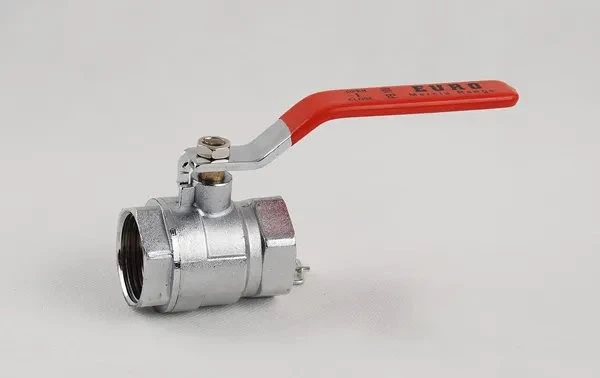

Advantages of Brass Ball Valves for Steam Applications
Brass ball valves offer several advantages that make them a viable option for certain steam applications:
- Corrosion Resistance: Brass is an alloy primarily composed of copper and zinc, which provides excellent corrosion resistance. In steam systems, where moisture and oxygen can lead to corrosion, brass ball valves can withstand the harsh environment and maintain their integrity over time. This corrosion resistance helps prevent leaks and ensures the long-term performance of the valve.
- Good Thermal Conductivity: Brass has good thermal conductivity, which allows it to dissipate heat effectively. In steam applications, where high temperatures are involved, this property helps prevent overheating of the valve and reduces the risk of damage. The ability to handle thermal expansion and contraction also makes brass ball valves suitable for systems that experience temperature fluctuations.
- Versatility: Brass ball valves are available in a wide range of sizes, configurations, and pressure ratings, making them versatile for different steam applications. They can be used for both on/off and throttling control, providing flexibility in system design and operation. Whether it's a small-scale steam heating system or a large industrial process, brass ball valves can be customized to meet specific requirements.
- Ease of Installation and Maintenance: Brass ball valves are relatively easy to install and maintain. They typically have a simple design with fewer moving parts, which reduces the likelihood of mechanical failure. Additionally, the ball valve's quarter-turn operation allows for quick and easy opening and closing, making it convenient for operators to control the flow of steam.
Limitations of Brass Ball Valves for Steam Applications
While brass ball valves offer many advantages, they also have some limitations that need to be considered when using them for steam applications:
- Temperature and Pressure Ratings: Brass has a lower melting point compared to some other materials, such as stainless steel. As a result, brass ball valves have temperature and pressure limitations. In high-temperature steam applications, the brass may soften or deform, leading to valve failure. It's important to select a brass ball valve with a temperature and pressure rating that is suitable for the specific steam system requirements.
- Erosion and Cavitation: Steam flowing at high velocities can cause erosion and cavitation in the valve. Erosion occurs when the steam particles wear away the valve components, while cavitation is the formation and collapse of vapor bubbles in the fluid. These phenomena can damage the valve seat and ball, leading to leaks and reduced performance. In applications where erosion and cavitation are a concern, alternative valve materials or designs may be more appropriate.
- Compatibility with Steam Quality: The quality of the steam can also affect the performance of brass ball valves. Steam containing impurities, such as solids, chemicals, or moisture, can cause corrosion, scaling, or fouling of the valve. It's important to ensure that the steam is properly treated and filtered to prevent damage to the valve. In some cases, additional protective measures, such as using a steam separator or strainer, may be necessary.
Important Considerations for Using Brass Ball Valves in Steam Applications
To ensure the safe and reliable operation of brass ball valves in steam applications, the following considerations should be taken into account:
- Select the Right Valve: Choose a brass ball valve with a temperature and pressure rating that is suitable for the steam system. Consider the maximum operating temperature and pressure, as well as any potential temperature and pressure fluctuations. It's also important to select a valve with the appropriate size and end connections for the application.
- Proper Installation: Follow the manufacturer's installation instructions carefully to ensure that the valve is installed correctly. Use appropriate gaskets and seals to prevent leaks. Make sure that the valve is properly supported and aligned to avoid stress on the valve body.
- Regular Maintenance: Implement a regular maintenance schedule to inspect and maintain the brass ball valve. Check for signs of corrosion, wear, or damage, and replace any worn or damaged components as needed. Lubricate the valve stem and ball periodically to ensure smooth operation.
- Monitor Steam Quality: Monitor the quality of the steam to ensure that it is within the acceptable range for the valve. Use appropriate water treatment and filtration systems to remove impurities from the steam. If necessary, install a steam separator or strainer to protect the valve from solids and moisture.
Our Brass Ball Valve Products for Steam Applications
As a leading supplier of brass ball valves, we offer a wide range of products that are suitable for steam applications. Our valves are made from high-quality brass materials and are designed to meet the highest standards of performance and reliability.
- 1/2 Zinc Alloy Ball Valve: This valve is made from a zinc alloy, which provides excellent corrosion resistance and durability. It is suitable for use in low to medium-pressure steam applications.
- Hot Selling Ball Valve: Our hot selling ball valve is a popular choice for steam applications. It features a robust design and high-quality construction, ensuring long-term performance and reliability.
- 600 WOG Brass Ball Valve: This valve is rated for 600 WOG (Water, Oil, Gas), making it suitable for use in a variety of steam applications. It has a high-pressure rating and can handle high-temperature steam.
Contact Us for Brass Ball Valve Procurement
If you are looking for a reliable supplier of brass ball valves for your steam applications, look no further. Our team of experts can help you select the right valve for your specific requirements and provide you with professional advice and support.
Contact us today to discuss your procurement needs and to learn more about our brass ball valve products. We look forward to working with you and helping you achieve your steam system goals.
References
- ASME Boiler and Pressure Vessel Code
- API Standards for Valves and Fittings
- Manufacturer's Technical Documentation for Brass Ball Valves