

Can a 3/4 Inch Ball Valve be used in a cosmetics - production pipeline?
Jun 30, 2025
In the realm of cosmetics production, the choice of equipment and components is a critical decision that can significantly impact product quality, safety, and production efficiency. One such component that often comes under scrutiny is the 3/4 inch ball valve. As a trusted supplier of 3/4 inch ball valves, I am frequently asked whether these valves are suitable for use in cosmetics - production pipelines. In this blog, we will delve into the factors that determine the suitability of a 3/4 inch ball valve in a cosmetics - production environment.
Understanding the Cosmetics - Production Pipeline Requirements
Cosmetics production involves a series of processes, including mixing, heating, cooling, and filling. Each step requires precise control of the flow of raw materials, intermediates, and finished products. The pipeline system must be designed to maintain the integrity of the cosmetic formulations, prevent contamination, and ensure consistent product quality.
Hygiene and Contamination Prevention
Cosmetics are products that come into direct contact with the human body, so hygiene is of utmost importance. The pipeline materials and components, including ball valves, must be made of materials that are non - toxic, non - reactive, and easy to clean. Any contamination from the valve can compromise the safety and quality of the cosmetics, leading to potential health risks for consumers.
Chemical Compatibility
Cosmetic formulations can contain a wide range of chemicals, such as acids, bases, solvents, and surfactants. The ball valve must be chemically compatible with these substances to prevent corrosion, degradation, or chemical reactions that could alter the composition of the cosmetics.
Flow Control and Precision
Accurate flow control is essential in cosmetics production to ensure the correct proportions of ingredients are mixed and the production process runs smoothly. A 3/4 inch ball valve should be able to provide precise control over the flow rate, allowing for consistent and repeatable production.
Features of a 3/4 Inch Ball Valve
A 3/4 inch ball valve is a type of quarter - turn valve that uses a spherical ball with a hole in the center to control the flow of fluid. When the valve is open, the hole in the ball aligns with the pipeline, allowing the fluid to pass through. When the valve is closed, the ball is rotated 90 degrees, blocking the flow.
Material Selection
The materials used in a 3/4 inch ball valve play a crucial role in its suitability for cosmetics production. Common materials include brass, stainless steel, and PVC.
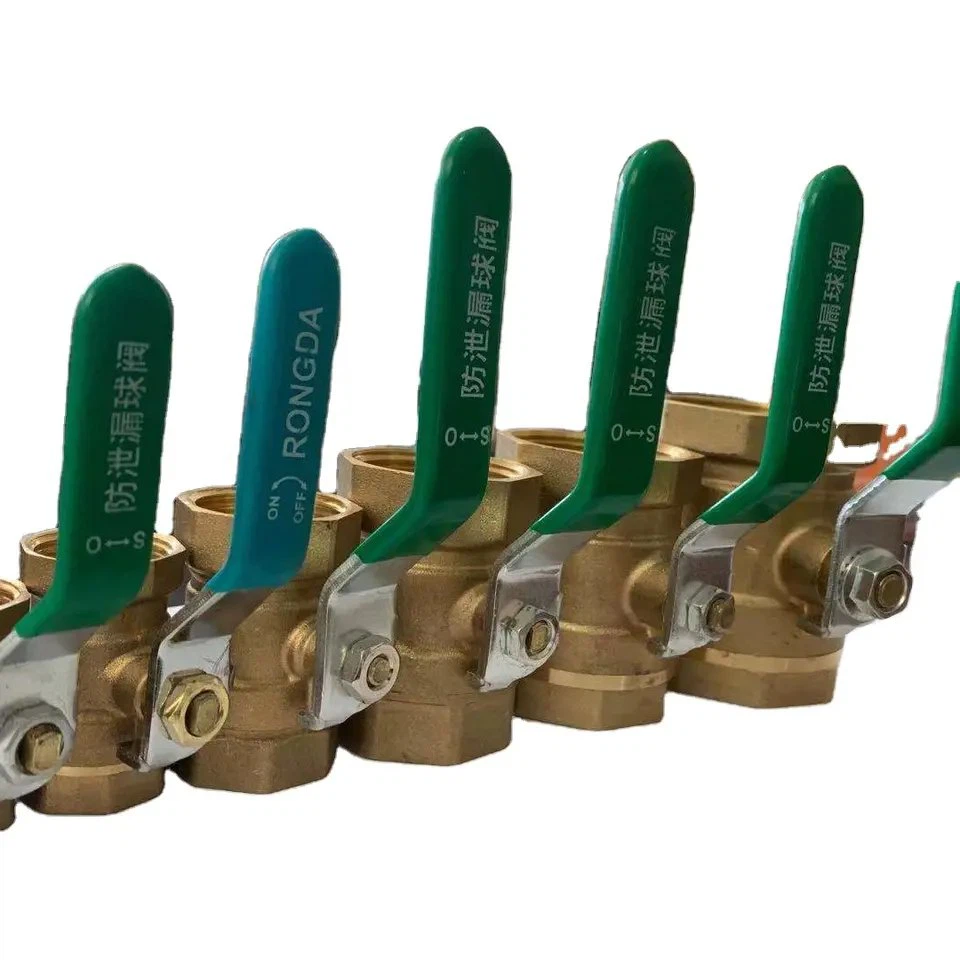
Brass valves, such as Gas Brass Ball Valve, are known for their good corrosion resistance and mechanical strength. However, some brass alloys may contain lead, which is a concern in cosmetics production due to its potential toxicity. Therefore, it is important to choose lead - free brass valves if brass is the material of choice.
Stainless steel valves are highly resistant to corrosion and are widely used in the food, beverage, and pharmaceutical industries, which have similar hygiene requirements to cosmetics production. They are suitable for use with a wide range of chemicals and are easy to clean and sterilize.
PVC valves are lightweight, inexpensive, and resistant to many chemicals. However, they may not be suitable for high - temperature applications or for use with certain solvents.
Sealing Performance
The sealing performance of a ball valve is critical to prevent leakage and ensure the integrity of the pipeline system. A well - designed 3/4 inch ball valve should have a tight seal that can withstand the pressure and temperature conditions in the cosmetics - production pipeline. The seals are typically made of materials such as rubber or PTFE, which must be chemically compatible with the cosmetic formulations.
Flow Capacity
The 3/4 inch size of the ball valve refers to the nominal diameter of the valve. This size is suitable for medium - flow applications in cosmetics production. It can handle a sufficient volume of fluid while still providing precise flow control. However, the actual flow capacity also depends on the design of the valve and the pressure drop across it.
Advantages of Using a 3/4 Inch Ball Valve in Cosmetics Production
Easy to Operate
The quarter - turn operation of a 3/4 inch ball valve makes it easy to open and close, allowing for quick and efficient control of the flow. This is especially useful in a production environment where rapid adjustments may be required.
Durability
When properly selected and maintained, a 3/4 inch ball valve can have a long service life. It can withstand the wear and tear of regular use in the cosmetics - production pipeline, reducing the need for frequent replacements.
Cost - Effective
Compared to some other types of valves, a 3/4 inch ball valve is relatively cost - effective. It provides a good balance between performance and price, making it an attractive option for cosmetics manufacturers.
Potential Challenges and Considerations
Cleaning and Sanitization
To meet the hygiene requirements of cosmetics production, the ball valve must be easy to clean and sanitize. Some valve designs may have crevices or dead spaces where bacteria and contaminants can accumulate. It is important to choose a valve with a smooth internal surface and a design that allows for thorough cleaning.
Temperature and Pressure Limits
Cosmetics production processes may involve high - temperature or high - pressure conditions. The 3/4 inch ball valve must be able to withstand these conditions without compromising its performance or integrity. It is essential to select a valve with the appropriate temperature and pressure ratings for the specific application.
Real - World Applications and Case Studies
Many cosmetics manufacturers have successfully used 3/4 inch ball valves in their production pipelines. For example, in the production of lotions and creams, these valves are used to control the flow of ingredients during the mixing process. The precise flow control provided by the ball valve ensures that the correct proportions of oils, water, and additives are combined, resulting in a consistent product quality.
In another case, a cosmetics company producing liquid foundations uses 3/4 inch ball valves in the filling process. The valves are connected to the filling nozzles and are used to control the flow of the foundation into the containers. The quick - closing action of the ball valve prevents over - filling and ensures accurate filling volumes.
Conclusion
In conclusion, a 3/4 inch ball valve can be used in a cosmetics - production pipeline, provided that it meets the specific requirements of the application. By carefully considering factors such as material selection, chemical compatibility, sealing performance, and cleaning requirements, cosmetics manufacturers can choose a suitable ball valve that ensures the safety, quality, and efficiency of their production processes.
As a supplier of 3/4 inch ball valves, we offer a wide range of options, including Washing Machine Ball Valve and Brass Water Ball Valves, that are designed to meet the diverse needs of the cosmetics industry. If you are interested in learning more about our products or have specific requirements for your cosmetics - production pipeline, please feel free to contact us for a detailed discussion and procurement negotiation.

References
- Perry, R. H., & Green, D. W. (Eds.). (2008). Perry's Chemical Engineers' Handbook. McGraw - Hill.
- ASME B31.3 Process Piping Code. American Society of Mechanical Engineers.