

Are zinc alloy ball valves suitable for large - diameter pipelines?
May 12, 2025
Zinc alloy ball valves have long been recognized for their durability, cost - effectiveness, and wide range of applications in various industries. As a leading supplier of zinc alloy ball valves, I often receive inquiries from customers regarding the suitability of these valves for large - diameter pipelines. In this blog, I will delve into the factors that determine whether zinc alloy ball valves are appropriate for large - diameter pipeline systems.
Understanding Zinc Alloy Ball Valves
Before we discuss their suitability for large - diameter pipelines, let's briefly understand what zinc alloy ball valves are. Zinc alloy is an alloy composed mainly of zinc, along with other elements such as aluminum, copper, and magnesium. These additional elements enhance the mechanical properties of zinc, making it stronger, more corrosion - resistant, and more suitable for valve manufacturing.

Zinc alloy ball valves consist of a spherical disc (the ball) with a hole through the center. When the valve is open, the hole in the ball aligns with the pipeline, allowing fluid to flow through. When the valve is closed, the ball is rotated 90 degrees, blocking the flow of fluid. These valves are known for their quick - acting operation, tight shut - off, and relatively low maintenance requirements.
Advantages of Zinc Alloy Ball Valves
One of the primary advantages of zinc alloy ball valves is their cost - effectiveness. Compared to other materials such as stainless steel or brass, zinc alloy is less expensive, making it an attractive option for budget - conscious projects. This cost advantage can be particularly significant when dealing with large - diameter pipelines, as the number of valves required can be substantial.
Zinc alloy also offers good corrosion resistance. It forms a protective oxide layer on its surface, which helps to prevent rust and other forms of corrosion. This makes zinc alloy ball valves suitable for use in a variety of environments, including both indoor and outdoor applications. In addition, zinc alloy is relatively lightweight, which can simplify the installation process, especially for large - diameter valves that may be heavy and difficult to handle.
Another benefit of zinc alloy ball valves is their excellent sealing performance. The spherical design of the ball provides a tight seal against the valve seats, minimizing leakage and ensuring efficient flow control. This is crucial in large - diameter pipelines, where even a small amount of leakage can result in significant losses of fluid and energy.
Challenges in Using Zinc Alloy Ball Valves for Large - Diameter Pipelines
Despite their many advantages, there are also some challenges associated with using zinc alloy ball valves in large - diameter pipelines. One of the main concerns is the mechanical strength of the valve. As the diameter of the pipeline increases, the pressure and stress on the valve also increase. Zinc alloy, while strong, may not have the same level of mechanical strength as some other materials, such as forged steel. In high - pressure applications, there is a risk of the valve body or ball deforming under the pressure, which could lead to leakage or failure of the valve.
Another challenge is the potential for corrosion in certain environments. While zinc alloy has good general corrosion resistance, it may not be suitable for use in highly corrosive environments, such as those with high levels of acids, alkalis, or saltwater. In large - diameter pipelines that transport corrosive fluids, the risk of corrosion is amplified, as the surface area of the valve in contact with the fluid is larger.

The manufacturing process of large - diameter zinc alloy ball valves can also be more complex and challenging. Ensuring the proper casting and machining of large - sized valve components requires advanced manufacturing techniques and equipment. Any defects in the manufacturing process, such as porosity or uneven wall thickness, can compromise the performance and reliability of the valve.
Factors to Consider
When deciding whether zinc alloy ball valves are suitable for large - diameter pipelines, several factors need to be considered:
Pressure Rating
The pressure rating of the pipeline is a critical factor. If the pipeline operates at high pressures, it is essential to ensure that the zinc alloy ball valve has a sufficient pressure rating to withstand the pressure. In some cases, it may be necessary to choose a valve with a higher pressure rating or consider alternative materials with greater mechanical strength.
Fluid Characteristics
The type of fluid being transported in the pipeline is another important consideration. If the fluid is corrosive, abrasive, or has high temperatures, the compatibility of the zinc alloy with the fluid needs to be carefully evaluated. In some cases, additional coatings or linings may be required to protect the valve from corrosion or wear.
Operating Conditions
The operating conditions of the pipeline, such as the frequency of operation, temperature variations, and vibration, can also affect the performance of the valve. For example, in a pipeline with frequent on - off cycles, the valve may experience more wear and tear, and a more durable material may be required.
Cost - Benefit Analysis
Finally, a cost - benefit analysis should be conducted. While zinc alloy ball valves are generally more cost - effective, the long - term costs associated with maintenance, replacement, and potential downtime need to be considered. In some cases, the initial cost savings of using zinc alloy may be offset by higher maintenance and replacement costs over the life of the valve.
Alternatives and Complementary Solutions
If zinc alloy ball valves are not suitable for a particular large - diameter pipeline application, there are several alternatives available. Brass Water Ball Valve and Brass Through Ball Valve are popular choices due to their good corrosion resistance and mechanical strength. Brass valves are also relatively easy to machine and can be customized to meet specific requirements.
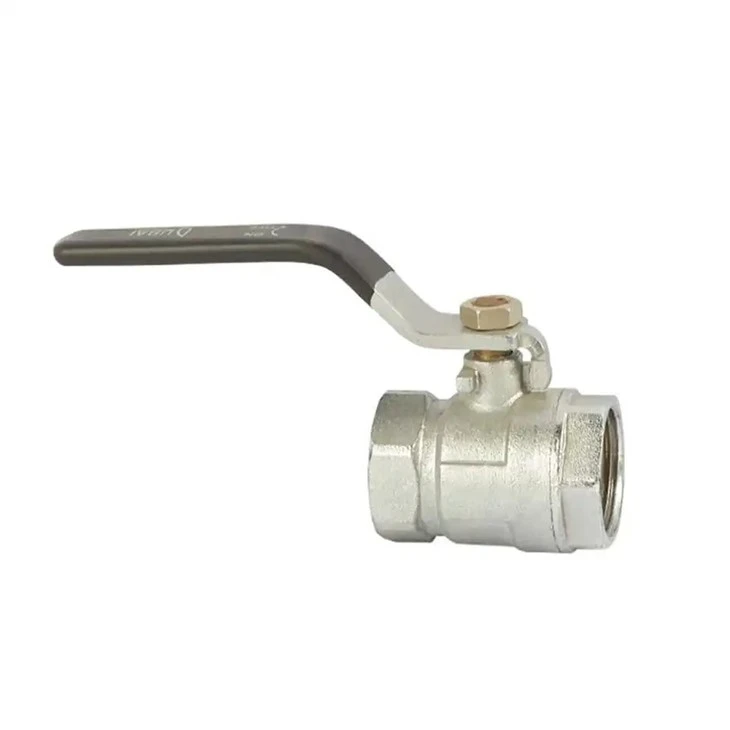
In some cases, a combination of different valve materials may be used. For example, a zinc alloy ball valve may be used in a low - pressure section of the pipeline, while a more robust valve material, such as stainless steel, may be used in the high - pressure sections.
Conclusion
In conclusion, zinc alloy ball valves can be suitable for large - diameter pipelines in certain applications. Their cost - effectiveness, corrosion resistance, and sealing performance make them an attractive option for many projects. However, it is essential to carefully evaluate the specific requirements of the pipeline, including pressure rating, fluid characteristics, and operating conditions, to determine whether zinc alloy ball valves are the right choice.
As a supplier of zinc alloy ball valves, we have extensive experience in helping customers select the most appropriate valves for their needs. If you are considering using zinc alloy ball valves for your large - diameter pipeline project, or if you have any questions about our Yuhuan Ball Valve products, please do not hesitate to contact us for further discussion and procurement negotiation. We are committed to providing high - quality products and excellent customer service to meet your specific requirements.

References
- Valve Handbook, by Leslie E. Mays
- Corrosion Resistance of Metals and Alloys, by Bruce D. Craig