

Are copper ball valves resistant to erosion?
Oct 24, 2025
Erosion is a critical concern in many industrial and domestic applications where valves are used. As a leading supplier of copper ball valves, I often encounter questions from customers about the erosion resistance of these valves. In this blog post, I will delve into the topic to provide a comprehensive understanding of whether copper ball valves are resistant to erosion.
Understanding Erosion
Erosion is the process by which materials are gradually worn away by the action of fluid flow, often containing solid particles. In the context of valves, erosion can lead to several issues, including reduced valve performance, leakage, and ultimately, valve failure. Factors such as fluid velocity, particle size and hardness, and the angle of impact all play a role in the rate and severity of erosion.
Copper Ball Valves: An Overview
Copper ball valves are widely used in various industries due to their excellent properties. Copper is a malleable and ductile metal with good corrosion resistance. In ball valves, the ball, which is the main component controlling the flow of fluid, is typically made of copper or a copper alloy. The valve body may also be constructed of copper, providing a seamless and reliable connection.
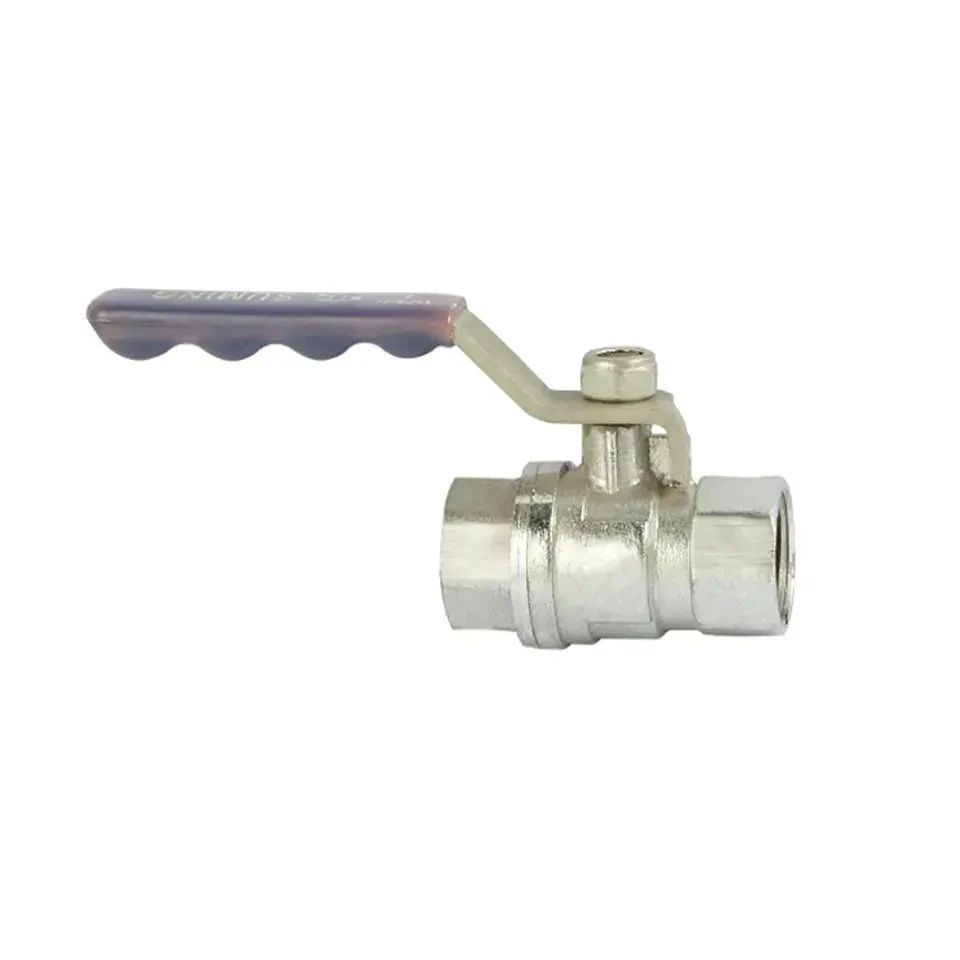

Erosion Resistance of Copper Ball Valves
Material Properties
Copper has inherent properties that contribute to its erosion resistance. Its relatively high hardness compared to some other metals makes it less susceptible to abrasion. Additionally, copper forms a protective oxide layer on its surface when exposed to air and moisture. This oxide layer acts as a barrier, reducing the direct contact between the valve surface and the eroding fluid, thus providing some level of protection against erosion.
Design Considerations
The design of copper ball valves also plays a crucial role in their erosion resistance. The smooth spherical shape of the ball minimizes the turbulence of the fluid flow, reducing the impact of particles on the valve surface. Moreover, the precise machining of the valve components ensures a tight seal, preventing fluid leakage and reducing the likelihood of erosion in the sealing areas.
Applications and Limitations
In applications where the fluid contains a low concentration of solid particles and the flow velocity is relatively low, copper ball valves exhibit good erosion resistance. For example, in domestic water supply systems, where the water is generally clean and the flow rate is moderate, copper ball valves can last for a long time without significant erosion.
However, in more demanding applications such as mining, oil and gas, and some industrial processes where the fluid may contain a high concentration of abrasive particles or the flow velocity is very high, copper ball valves may face challenges. In these situations, the erosion rate can increase significantly, and the valve may require more frequent maintenance or replacement.
Comparing with Other Valve Materials
To better understand the erosion resistance of copper ball valves, it is useful to compare them with other common valve materials.
Stainless Steel
Stainless steel is known for its high strength and excellent corrosion resistance. In terms of erosion resistance, stainless steel can perform well in harsh environments with high - velocity and abrasive fluids. However, stainless steel valves are often more expensive than copper ball valves. For applications where cost is a major consideration and the erosion conditions are not extremely severe, copper ball valves can be a more economical choice.
Brass
Brass is an alloy of copper and zinc. Brass ball valves, such as Lead Free Brass Ball Valves and Brass Water Ball Valves, also offer good erosion resistance. The addition of zinc can enhance the hardness of the alloy, making it more resistant to abrasion. However, the erosion resistance of brass may vary depending on the specific composition of the alloy.
Zinc Alloy
Zinc alloy ball valves, like the 1/2 Inch Zinc Alloy Ball Valve Brass Ball Valve, have their own characteristics. Zinc alloy is generally less expensive than copper and brass, but its erosion resistance may be lower. In applications where the erosion conditions are mild, zinc alloy ball valves can be a cost - effective option.
Improving Erosion Resistance of Copper Ball Valves
Surface Treatments
One way to improve the erosion resistance of copper ball valves is through surface treatments. For example, applying a hard - coating such as ceramic or tungsten carbide can significantly increase the hardness of the valve surface, making it more resistant to abrasion. These coatings can be applied using various techniques such as thermal spraying or physical vapor deposition.
Design Modifications
Modifying the design of the valve can also enhance its erosion resistance. For instance, adding flow - straightening devices or changing the shape of the valve inlet and outlet can reduce the turbulence of the fluid flow, minimizing the impact of particles on the valve surface.
Conclusion
In conclusion, copper ball valves offer a certain degree of erosion resistance due to the material properties and design features. In applications with relatively mild erosion conditions, they can provide reliable performance for a long time. However, in more severe environments, their erosion resistance may be limited, and additional measures such as surface treatments or design modifications may be required.
As a supplier of copper ball valves, I am committed to providing high - quality products that meet the diverse needs of our customers. Whether you are looking for a valve for a domestic water supply system or a more demanding industrial application, we have the expertise and products to meet your requirements. If you are interested in our copper ball valves or have any questions about erosion resistance, please feel free to contact us for further discussion and procurement negotiation.
References
- ASM Handbook Volume 13C: Corrosion: Materials. ASM International.
- Valve Handbook: Principles and Applications. CRC Press.